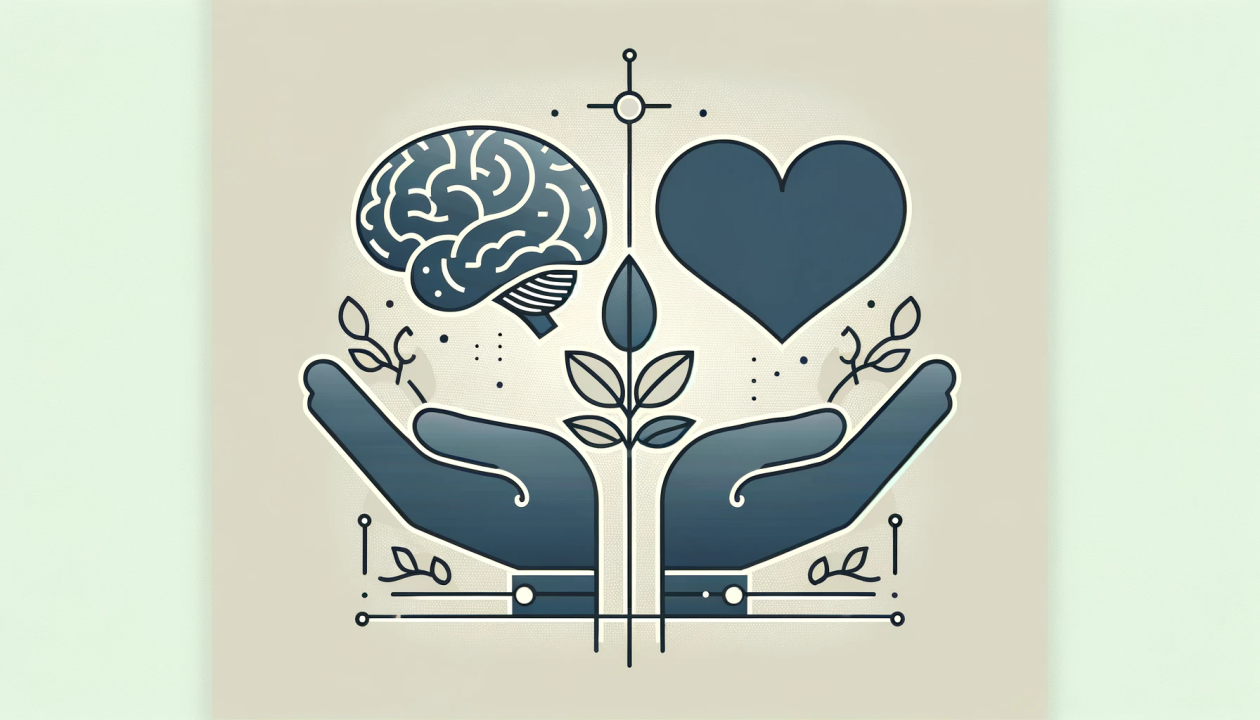
In a world filled with constant stimulation and stress, emotional detox has emerged as a vital practice for releasing accumulated tension and rediscovering the tranquility within ourselves.

🧠 Understanding the Weight We Carry: What Is Emotional Tension?
Every interaction, every challenging situation, and every suppressed feeling leaves an imprint on our emotional landscape. These imprints accumulate over time, creating what experts call “stored tension”—a physical and psychological burden that manifests in various ways throughout our bodies and minds.
Emotional tension isn’t just a metaphor. Research in psychosomatic medicine has demonstrated that unprocessed emotions literally embed themselves in our muscular tissue, nervous system, and even our cellular memory. This phenomenon explains why we might experience chronic neck pain during stressful periods or develop digestive issues when facing emotional turmoil.
The concept of emotional detoxification parallels physical detoxification but focuses on clearing psychological and energetic blockages. Just as our bodies accumulate physical toxins from environmental exposure and dietary choices, our minds collect emotional residue from unresolved conflicts, traumatic experiences, and daily stressors.
The Science Behind Emotional Storage and Release
Neuroscience has revealed fascinating insights into how emotions become “stored” in our bodies. The limbic system, particularly the amygdala, processes emotional experiences and can create lasting neural pathways associated with specific feelings and memories.
When we experience strong emotions without adequate processing or release, our nervous system remains in a state of activation. The sympathetic nervous system—responsible for our fight-or-flight response—continues operating at elevated levels, creating chronic stress patterns that affect every bodily system.
Dr. Bessel van der Kolk’s groundbreaking work in trauma therapy emphasizes that “the body keeps the score.” His research demonstrates how traumatic and stressful experiences create physical imprints that persist long after the initial event has passed. These stored emotions contribute to anxiety, depression, chronic pain, and numerous other health challenges.
The Physiological Impact of Unprocessed Emotions
The consequences of emotional accumulation extend far beyond mental discomfort. Studies have linked chronic emotional stress to:
- Increased inflammation throughout the body
- Compromised immune system function
- Elevated cortisol levels leading to metabolic disruption
- Cardiovascular strain and increased heart disease risk
- Digestive disorders and gut microbiome imbalances
- Sleep disturbances and chronic fatigue
- Accelerated cellular aging
Understanding these connections highlights why emotional detoxification isn’t merely a wellness trend—it’s an essential component of comprehensive health maintenance.
✨ Recognizing When You Need an Emotional Detox
Our bodies and minds provide clear signals when emotional toxicity has reached critical levels. Learning to recognize these warning signs empowers us to take proactive steps toward healing.
Common indicators include persistent feelings of overwhelm despite adequate rest, heightened reactivity to minor stressors, emotional numbness or disconnection, recurring negative thought patterns, and physical symptoms without clear medical causes.
You might notice yourself feeling irritable without obvious triggers, experiencing difficulty concentrating, or finding that activities you once enjoyed no longer bring pleasure. These symptoms suggest your emotional system has reached capacity and requires intentional clearing.
The Emotional Overload Checklist
Consider whether you’re experiencing several of these signs:
- Difficulty sleeping or staying asleep despite exhaustion
- Tension headaches or jaw clenching
- Shallow breathing or frequent sighing
- Unexplained muscle tension, especially in shoulders and neck
- Emotional outbursts disproportionate to situations
- Withdrawal from social connections
- Brain fog and decision fatigue
- Increased reliance on numbing behaviors
If multiple items resonate, your system is likely signaling the need for emotional clearing and renewal.
🌊 Powerful Techniques for Emotional Detoxification
Fortunately, numerous evidence-based practices facilitate emotional release and restore inner equilibrium. The most effective approach typically combines multiple modalities tailored to individual needs and preferences.
Somatic Experiencing and Body-Based Release
Somatic practices recognize that emotions reside in the body, not just the mind. These techniques work directly with physical sensations to discharge stored tension.
Progressive muscle relaxation involves systematically tensing and releasing different muscle groups, allowing trapped emotions to surface and dissipate. This simple yet powerful practice can be performed anywhere and provides immediate relief from physical manifestations of emotional stress.
Trauma-releasing exercises (TRE) use specific movements to activate the body’s natural tremoring response, which helps discharge deep muscular patterns of stress and trauma. Developed by Dr. David Berceli, this approach has gained recognition for its effectiveness in releasing long-held tension.
Dance and movement therapy provide another avenue for emotional expression and release. Unrestricted movement allows emotions to flow through the body rather than becoming lodged in tissues and neural pathways.
Breathwork: The Gateway to Emotional Freedom
Conscious breathing practices represent one of the most accessible yet profound tools for emotional detoxification. The breath serves as a bridge between conscious and unconscious processes, offering direct influence over our nervous system state.
Holotropic breathwork, developed by Stanislav Grof, uses accelerated breathing patterns to access non-ordinary states of consciousness where deep emotional processing occurs. This powerful technique should be practiced with trained facilitators due to its intensity.
More gentle approaches include coherent breathing (breathing at a rate of five breaths per minute), which optimizes heart rate variability and promotes nervous system balance. Box breathing—inhaling, holding, exhaling, and holding again for equal counts—calms the sympathetic nervous system and creates mental clarity.
Mindfulness Meditation and Emotional Awareness
Meditation practices cultivate the witnessing awareness necessary for emotional processing. Rather than suppressing or acting out emotions, mindfulness teaches us to observe feelings with curiosity and compassion.
Body scan meditations direct attention systematically through the physical form, illuminating areas where tension resides. This awareness itself often initiates spontaneous release as we bring conscious attention to previously ignored sensations.
Loving-kindness meditation (metta) specifically addresses emotional healing by cultivating compassion toward ourselves and others. This practice counteracts the self-criticism and judgment that often accompany emotional difficulty.
💭 The Role of Expressive Writing in Emotional Clearing
Research by psychologist James Pennebaker has consistently demonstrated the therapeutic power of expressive writing. His studies show that writing about emotional experiences for just 15-20 minutes daily produces measurable improvements in physical and psychological health.
The practice works by translating nebulous emotional experiences into concrete language, which engages different brain regions and facilitates processing. Writing externalizes internal turmoil, creating distance that allows for new perspectives and insights.
Stream-of-consciousness journaling, where you write continuously without editing or censoring, proves particularly effective for emotional release. This technique bypasses the critical mind and accesses deeper emotional material.
Letter writing—even letters never sent—provides another powerful avenue for expression. Writing to someone who hurt you, to your younger self, or to aspects of your experience creates dialogue and resolution.
🌿 Creating Space: The Environmental Component of Emotional Detox
Our external environment significantly influences our internal state. Creating physical spaces that support emotional clearing enhances the effectiveness of other detoxification practices.
Decluttering your living space serves as both metaphor and catalyst for emotional clearing. Physical clutter often reflects and reinforces mental and emotional congestion. The process of sorting, releasing, and organizing external belongings frequently triggers corresponding internal shifts.
Nature immersion provides profound support for emotional healing. Research in ecopsychology demonstrates that time in natural settings reduces cortisol levels, lowers blood pressure, and promotes parasympathetic nervous system activation—all essential for emotional processing.
Digital detoxification complements emotional clearing by reducing the constant stimulation and comparison that social media and news consumption create. Regular breaks from screens allow our nervous systems to recalibrate and our emotional landscapes to settle.
🤝 The Healing Power of Connection and Expression
While solitary practices provide essential tools for emotional detoxification, human connection plays an irreplaceable role in healing and release.
Therapeutic relationships—whether with counselors, therapists, or skilled coaches—create safe containers for exploring and processing difficult emotions. The presence of an attuned, compassionate witness often allows emotions to surface that remain inaccessible in isolation.
Support groups and sharing circles leverage the power of collective healing. Hearing others articulate similar experiences normalizes our own struggles and reduces the shame that often accompanies emotional difficulty.
Authentic conversations with trusted friends provide informal yet powerful opportunities for emotional release. Vulnerability in relationship creates bonds and facilitates the expression that leads to freedom.
When to Seek Professional Support
Certain situations warrant professional guidance for emotional detoxification:
- Experiencing symptoms of trauma or PTSD
- Persistent depression or anxiety interfering with daily functioning
- Suicidal thoughts or self-harm urges
- Substance dependence or behavioral addictions
- Relationship patterns causing repeated harm
- Emotional numbness or dissociation
Professional therapists possess specialized training in navigating complex emotional terrain safely and effectively. There’s no shame in seeking expert support—it demonstrates wisdom and self-care.
🎯 Building Your Personal Emotional Detox Practice
Sustainable emotional wellness requires ongoing practice rather than occasional intensive efforts. Creating a personalized routine that integrates multiple approaches yields the most profound and lasting results.
Begin by assessing which modalities resonate most strongly with you. Some people naturally gravitate toward movement-based practices, while others prefer stillness and introspection. Honor your unique constitution and preferences rather than forcing yourself into practices that feel misaligned.
Start small and build gradually. Committing to five minutes of breathwork or journaling daily proves more effective than sporadic hour-long sessions. Consistency matters more than duration, especially when establishing new habits.
Track your progress through journaling or simple mood monitoring. Noticing subtle shifts in emotional resilience, sleep quality, relationship satisfaction, and physical well-being provides motivation and insight into which practices serve you most effectively.
A Sample Weekly Emotional Detox Routine
Consider structuring your practice with variety and sustainability:
- Daily: 10 minutes of conscious breathing or meditation upon waking
- 3x per week: 20 minutes of expressive journaling
- 2x per week: Movement practice (yoga, dance, or walking in nature)
- Weekly: Extended session (60-90 minutes) combining multiple modalities
- Monthly: Reflection and assessment to adjust practices as needed
This framework provides structure while remaining flexible enough to adapt to changing needs and circumstances.
🌅 Living with Emotional Freedom: Life After Detox
The benefits of consistent emotional detoxification extend far beyond symptom relief. Regular practice fundamentally transforms our relationship with ourselves and our experiences.
Increased emotional resilience emerges as we develop capacity to feel and process challenging emotions without becoming overwhelmed. We discover that feelings, however intense, are temporary weather patterns rather than permanent conditions.
Enhanced self-awareness allows us to recognize emotional patterns as they arise, intervening before minor frustrations escalate into major disturbances. This metacognitive capacity—thinking about our thinking and feeling about our feeling—represents a hallmark of emotional maturity.
Deeper relationships naturally develop as we become more comfortable with our own emotional landscape. Authenticity and vulnerability in connection increase proportionally to our internal comfort with the full spectrum of human emotion.
Creative expression often flourishes after periods of emotional clearing. When psychic energy previously devoted to suppressing or managing difficult feelings becomes available, it flows naturally into generative activities that bring meaning and joy.
🔄 Maintaining Your Emotional Ecosystem
Just as we wouldn’t expect a single shower to keep us clean indefinitely, emotional detoxification requires ongoing attention. Viewing emotional hygiene as essential as physical hygiene normalizes the practice and ensures consistency.
Regular “emotional check-ins” throughout the day cultivate awareness before tensions accumulate. Pausing to notice your breathing, body sensations, and emotional state takes mere seconds but provides valuable information and prevents buildup.
Seasonal intensive practices complement daily maintenance. Extended retreat experiences, whether silent meditation retreats, therapeutic workshops, or nature immersions, provide opportunities for deeper clearing that daily practice alone might not access.
Remember that emotional detoxification isn’t about achieving a permanent state of bliss or eliminating all negative emotions. Rather, it’s about developing a fluid relationship with your inner world—allowing feelings to arise, be acknowledged, and pass through without resistance or attachment.

🎁 The Ripple Effect of Inner Peace
Perhaps the most beautiful aspect of personal emotional work is its collective impact. As we clear our own emotional toxicity and cultivate inner peace, we naturally become sources of calm and healing in our communities.
Regulated nervous systems have a contagious quality. When we embody peace, others in our presence unconsciously entrain to that state, creating positive feedback loops in families, workplaces, and social circles.
The clarity that emerges from emotional detoxification enables more conscious choices aligned with our deepest values. We respond thoughtfully rather than react automatically, creating positive ripples through our daily interactions and long-term decisions.
Ultimately, freeing your mind through emotional detoxification represents both a deeply personal journey and a contribution to collective healing. In releasing stored tension and finding inner peace, we not only transform our own lives but also create the possibility of a more conscious, compassionate world—one freed mind at a time.