Every day, we face countless decisions that shape our lives, careers, and relationships. The challenge lies in balancing our emotional impulses with logical reasoning to make choices we won’t regret.

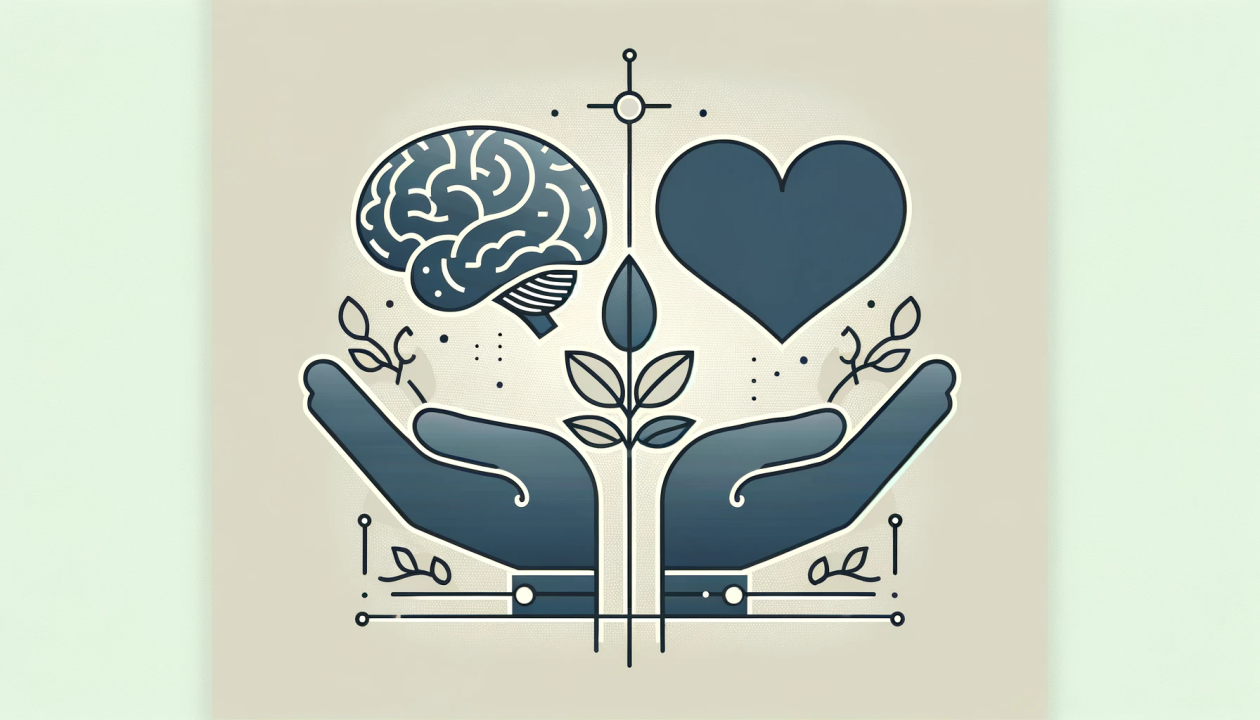
Decision-making is both an art and a science, requiring us to navigate the complex interplay between our feelings and rational thoughts. While emotions provide valuable insights about our values and desires, logic helps us evaluate consequences and assess risks objectively. The key to optimal decision-making isn’t choosing one over the other, but rather learning to integrate both effectively.
In our fast-paced world, we’re often pressured to make quick decisions without fully considering all aspects. This rush can lead to choices driven purely by emotion or, conversely, overly analytical paralysis that ignores our intuitive wisdom. Understanding how to harness both emotional intelligence and logical reasoning creates a powerful framework for making decisions that align with both our hearts and minds.
🧠 Understanding the Two Systems of Thinking
Nobel Prize-winning psychologist Daniel Kahneman identified two distinct systems that govern our decision-making processes. System 1 operates automatically and quickly, with little effort and no sense of voluntary control. This is where our emotions, intuitions, and gut feelings reside. System 2 allocates attention to effortful mental activities, including complex computations and logical analysis.
Both systems are essential for survival and success. System 1 helps us make rapid decisions in time-sensitive situations, drawing on past experiences and pattern recognition. When you instinctively swerve to avoid a car or immediately sense something is wrong in a conversation, that’s System 1 at work. This emotional, intuitive system processes information approximately 200,000 times faster than our conscious, logical mind.
System 2, our logical thinking mode, excels at analyzing complex problems, weighing pros and cons, and making calculated predictions about future outcomes. It’s slower and more deliberate, but essential for decisions with significant long-term consequences. Financial planning, career choices, and strategic business decisions all benefit from System 2 engagement.
The problem arises when we rely too heavily on one system while neglecting the other. Pure emotional decision-making can lead to impulsive choices we later regret, while excessive logical analysis can disconnect us from our values and what truly matters to us personally.
The Emotional Intelligence Advantage 💡
Emotional intelligence (EQ) plays a crucial role in balanced decision-making. People with high EQ recognize and understand their own emotions and those of others, using this awareness to guide their thinking and behavior. This self-awareness prevents emotions from hijacking the decision-making process while still allowing emotional wisdom to inform choices.
Research shows that emotions aren’t obstacles to good decision-making—they’re essential components. Neuroscientist Antonio Damasio studied patients with damage to the brain regions responsible for processing emotions. Despite having intact logical reasoning abilities, these patients struggled to make even simple decisions because they couldn’t assign emotional value to different options.
Your emotions provide critical data about what matters to you, what aligns with your values, and what potential outcomes feel right or wrong. Ignoring this information leads to technically correct but personally unfulfilling decisions. The key is learning to interpret emotional signals accurately rather than being controlled by them.
Recognizing Emotional Biases
While emotions provide valuable information, they can also introduce biases that distort our perception. Common emotional biases include:
- Confirmation bias: Seeking information that confirms our existing beliefs while ignoring contradictory evidence
- Recency bias: Overweighting recent events and experiences in our decision-making
- Loss aversion: Feeling the pain of losses more intensely than the pleasure of equivalent gains
- Optimism bias: Overestimating positive outcomes while underestimating risks
- Anchoring: Relying too heavily on the first piece of information encountered
Awareness of these biases is the first step toward mitigating their influence. When you notice yourself becoming emotionally attached to a particular outcome, pause and question whether your emotions are providing genuine insight or simply reinforcing existing preferences.
🎯 The Logic Framework: Structured Analysis for Better Outcomes
While emotions provide the “why” behind our decisions, logic provides the “how” and helps us evaluate the practical implications of our choices. A structured logical approach involves breaking down complex decisions into manageable components, analyzing each systematically.
Effective logical analysis begins with clearly defining the decision at hand and identifying your objectives. What are you trying to achieve? What constraints must you work within? What criteria will you use to evaluate options? This clarity prevents scope creep and keeps your analysis focused on relevant factors.
Next, generate alternatives. Many decision-making failures occur not because we chose the wrong option from those available, but because we failed to consider better alternatives that existed. Research suggests that generating at least three viable options significantly improves decision quality compared to binary choices.
The Decision Matrix Approach
For complex decisions involving multiple criteria, a decision matrix provides a systematic way to evaluate options objectively. This tool helps you weight different factors according to their importance and score each alternative against these criteria.
| Criteria | Weight (1-10) | Option A Score | Option B Score | Option C Score |
|---|---|---|---|---|
| Financial Impact | 9 | 7 | 8 | 6 |
| Time Required | 6 | 5 | 7 | 8 |
| Alignment with Values | 10 | 9 | 6 | 8 |
| Risk Level | 7 | 6 | 8 | 5 |
By multiplying each score by its weight and totaling the results, you create a quantifiable comparison. However, remember that this logical tool should inform rather than dictate your final choice—your emotional response to the results matters too.
Creating Synergy Between Heart and Mind 🤝
The most effective decision-makers don’t choose between emotion and logic—they synthesize both into a integrated approach. This synergy leverages the strengths of each system while compensating for their individual weaknesses.
Begin with emotional awareness. When facing a decision, take time to identify and acknowledge your feelings about it. Are you excited, anxious, hopeful, or fearful? What are these emotions telling you about your values and priorities? Journal about your feelings or discuss them with a trusted friend to gain clarity.
Then engage your logical mind. Gather relevant information, analyze the facts, and consider potential outcomes objectively. Use frameworks like decision matrices, pros-and-cons lists, or scenario planning to structure your thinking. This logical analysis shouldn’t override your emotions but rather inform and refine your emotional intuitions.
The integration happens through dialogue between these two modes. When your logical analysis suggests one course of action but you feel resistance, explore that tension. What is your emotion trying to tell you? Perhaps it’s identifying a risk your logical analysis missed, or highlighting a values conflict your rational mind overlooked.
The 10-10-10 Technique
Suzy Welch developed the 10-10-10 method as a powerful tool for balancing immediate emotional reactions with longer-term logical considerations. When facing a decision, ask yourself: How will I feel about this choice in 10 minutes? In 10 months? In 10 years?
This temporal perspective helps balance the urgency of current emotions with rational consideration of future consequences. It prevents both impulsive decisions driven by temporary feelings and excessively cautious choices that ignore genuine current needs.
⏰ Timing and the Decision-Making Process
When you make a decision matters almost as much as how you make it. Different decision-making approaches work better at different stages of the process.
In the early stages of decision-making, allow emotions and intuition to lead. Your initial gut reaction often contains valuable information accumulated from years of experience. Don’t dismiss these feelings—explore them. What patterns are they recognizing? What outcomes are they anticipating based on similar past situations?
As you move toward the middle phase, shift toward logical analysis. This is when you gather information, consult experts, run the numbers, and evaluate alternatives systematically. Temporarily set aside your emotional preferences to ensure you’re considering all options objectively.
Before finalizing your choice, return to emotions for a final check. After all the analysis, how do you feel about the leading option? Does it sit well with you, or is there lingering discomfort? This final emotional check-in often catches important factors that logical analysis missed.
Avoiding Decision Fatigue
Research shows that decision quality deteriorates as we make more choices throughout the day. Decision fatigue depletes our mental resources, leading us to either make impulsive emotional choices or avoid deciding altogether. This is why judges are statistically more likely to grant parole early in the day than late afternoon.
Protect your decision-making capacity by timing important choices for when you’re mentally fresh, typically in the morning after adequate rest. Reduce unnecessary decisions by establishing routines and habits for low-stakes choices, preserving your cognitive resources for decisions that truly matter.
🛡️ Building Your Decision-Making Resilience
Not every decision will turn out as expected, regardless of how well you balance emotion and logic. Building resilience means accepting uncertainty, learning from outcomes, and adapting your approach based on experience.
Cultivate comfort with ambiguity. Many decisions involve incomplete information and unpredictable variables. Perfectionism—the belief that you can eliminate all risk through better analysis—often leads to paralysis. Accept that you’re making the best choice possible with available information, not a perfect choice guaranteed to succeed.
After making significant decisions, conduct informal post-mortems. What factors did you weigh correctly? What did you miss or misjudge? Were your emotional intuitions accurate, or did they lead you astray? This reflection builds decision-making wisdom over time.
Remember that reversible decisions require less deliberation than irreversible ones. Amazon founder Jeff Bezos distinguishes between “one-way doors” (difficult or impossible to reverse) and “two-way doors” (easily reversible). One-way door decisions deserve careful emotional and logical analysis. Two-way door decisions benefit from faster action and learning through experience.
Practical Strategies for Daily Decision-Making Excellence 📋
Implementing balanced decision-making doesn’t require overhauling your entire life. Small, consistent practices build this skill over time.
Start with a decision journal. Document important choices, your reasoning (both emotional and logical), and eventual outcomes. This creates a personal database of decision patterns, helping you identify when your emotions provide accurate guidance versus when they mislead you.
Practice mindfulness meditation. Regular meditation strengthens your ability to observe emotions without being controlled by them, creating the mental space needed for balanced decision-making. Even five minutes daily improves emotional regulation and cognitive clarity.
Seek diverse perspectives. Consult people who think differently than you do—those more emotionally intuitive if you’re analytical, or more logical if you’re emotion-driven. These outside perspectives help balance your natural tendencies.
Use the “sleep on it” principle for significant decisions. Our brains continue processing information during sleep, often providing clarity by morning. This delay also ensures you’re not making choices during temporary emotional states.

🌟 Transforming Decision-Making Into a Competitive Advantage
Mastering balanced decision-making creates compound benefits across every area of life. In your career, it enables you to pursue opportunities that align with both professional advancement and personal fulfillment. In relationships, it helps you set boundaries that honor your needs while maintaining connection with others. In finances, it supports choices that provide both security and the experiences that make life meaningful.
Leaders who excel at balanced decision-making inspire confidence in their teams. They demonstrate that tough choices don’t require abandoning empathy, and that emotional intelligence doesn’t mean ignoring hard facts. This approach creates organizational cultures where people feel both valued and accountable.
The journey toward decision-making mastery is ongoing. Each choice provides an opportunity to practice integrating emotion and logic, to notice your patterns, and to refine your approach. Some decisions will work out brilliantly, others will disappoint, but each contributes to the wisdom that guides future choices.
As you develop this skill, you’ll notice increased confidence in your ability to navigate complexity. The anxiety that once accompanied big decisions diminishes as you trust your integrated approach. You make choices more quickly when appropriate, yet take necessary time for deliberation when stakes are high. This balance itself becomes a source of peace—knowing you’re honoring both your head and your heart in the choices that shape your life.
The art of balanced decision-making isn’t about achieving perfect outcomes every time. It’s about developing a reliable process that consistently leads to choices you can stand behind, regardless of how events unfold. It’s about making decisions that reflect who you are and who you aspire to become, grounded in both emotional wisdom and rational analysis. Master this art, and you master one of life’s most essential skills.