Your emotions are not just fleeting feelings—they’re powerful biological signals that shape every aspect of your health, from your heart rate to your immune system’s ability to fight disease.

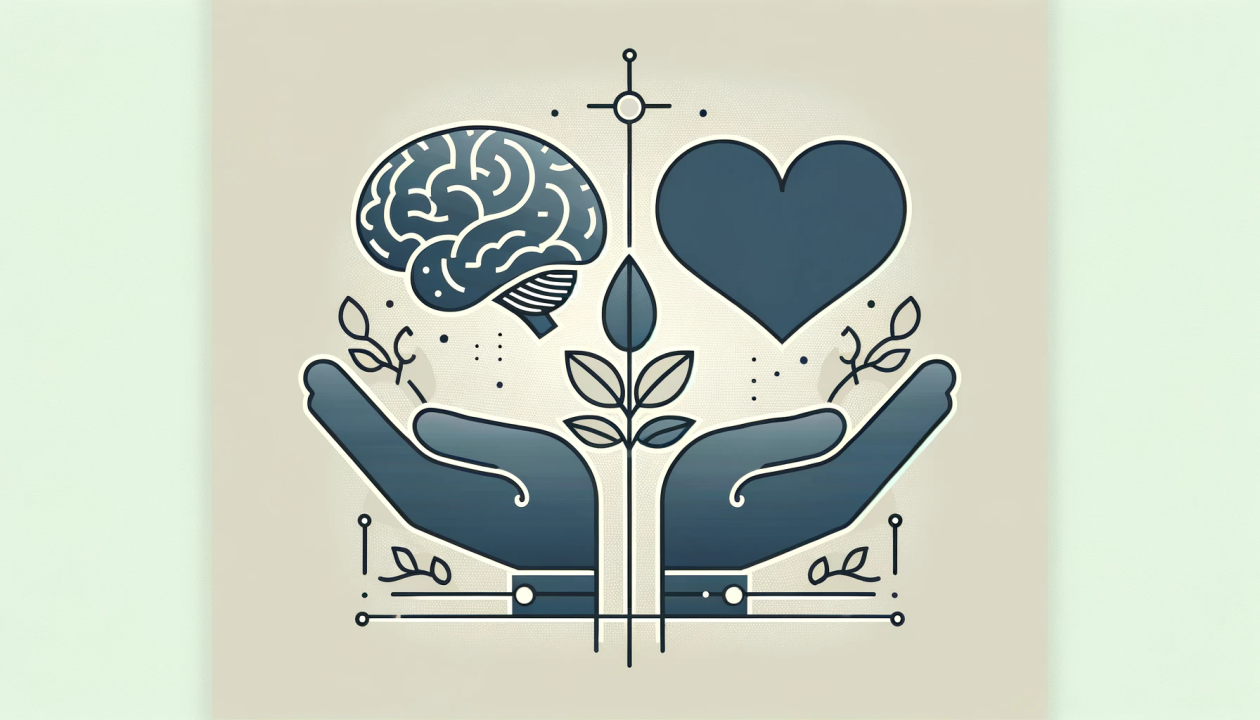
In today’s fast-paced world, we often compartmentalize our mental and physical health as separate entities. We visit doctors for bodily ailments and therapists for emotional struggles, rarely acknowledging the intricate web connecting the two. Yet mounting scientific evidence reveals that this separation is artificial. Your psychological state doesn’t just influence how you feel emotionally—it fundamentally alters how your body functions at a cellular level.
Understanding the profound connection between your mental well-being and physical health isn’t just academically interesting—it’s essential for living a vibrant, healthy life. When you unlock this understanding, you gain access to powerful tools that can transform both your emotional landscape and your bodily health simultaneously.
🧠 The Mind-Body Connection: More Than Just a Concept
The relationship between mental and physical health operates through complex biological pathways that scientists have only recently begun to map comprehensively. This isn’t about positive thinking curing diseases or mind over matter platitudes—it’s about recognizing legitimate physiological processes.
When you experience stress, anxiety, or depression, your brain doesn’t process these emotions in isolation. Instead, it triggers a cascade of hormonal and neurological responses throughout your entire body. Your hypothalamic-pituitary-adrenal (HPA) axis activates, releasing cortisol and adrenaline. Your nervous system shifts into sympathetic mode. Inflammation markers increase. Blood pressure rises.
Conversely, positive emotional states activate entirely different biological pathways. Feelings of joy, connection, and contentment trigger the release of endorphins, oxytocin, and serotonin—chemicals that reduce inflammation, strengthen immune function, and promote cellular repair.
The Biological Messengers of Emotion
Your emotions communicate with your body through several key systems:
- The Endocrine System: Hormones like cortisol, adrenaline, and oxytocin carry emotional information throughout your bloodstream
- The Nervous System: Your vagus nerve acts as a superhighway between your brain and major organs
- The Immune System: Psychological stress directly influences cytokine production and immune cell activity
- The Cardiovascular System: Emotional states immediately affect heart rate variability and blood pressure
💔 How Negative Emotions Manifest as Physical Symptoms
Chronic stress, anxiety, and depression don’t just make you feel bad emotionally—they create tangible, measurable changes in your physical health. Understanding these connections can help you recognize when your body is signaling emotional distress.
Research has established clear links between prolonged negative emotional states and numerous physical conditions. People experiencing chronic stress show measurably higher rates of cardiovascular disease, weakened immune response, gastrointestinal problems, and accelerated aging at the cellular level.
Stress and Your Heart Health ❤️
Your cardiovascular system is particularly vulnerable to emotional distress. Chronic stress keeps your body in a perpetual state of “fight or flight,” maintaining elevated blood pressure and heart rate. Over time, this constant strain damages blood vessels, promotes arterial plaque formation, and increases heart attack risk.
Studies show that people with high levels of chronic stress have a 40% increased risk of developing cardiovascular disease compared to their less-stressed counterparts. The mechanism is straightforward: stress hormones cause inflammation in blood vessels, disrupt normal cardiac rhythms, and promote dangerous blood clotting.
The Anxiety-Gut Connection
Your digestive system houses what scientists call your “second brain”—a complex network of neurons that communicates constantly with your actual brain. This gut-brain axis means that anxiety and stress directly impact digestive function.
When you’re anxious, your body diverts resources away from digestion, slowing stomach emptying and altering gut bacteria composition. This explains why psychological stress so often manifests as stomach pain, nausea, diarrhea, or irritable bowel syndrome. The connection is bidirectional—gut problems also worsen anxiety, creating a self-reinforcing cycle.
Depression’s Physical Toll
Depression does more than drain your motivation and joy—it fundamentally alters your physiology. People with clinical depression show elevated inflammatory markers, disrupted sleep architecture, changed appetite regulation, and measurable differences in brain structure.
Depression increases your risk for numerous physical conditions, including diabetes, osteoporosis, and autoimmune diseases. The fatigue, body aches, and physical heaviness that accompany depression aren’t just psychological—they’re real physiological changes caused by altered neurotransmitter function and increased systemic inflammation.
✨ The Healing Power of Positive Emotional States
Just as negative emotions can harm physical health, positive emotional states actively promote healing and resilience. This isn’t about toxic positivity or denying difficult emotions—it’s about understanding how cultivating genuine well-being creates measurable health benefits.
Research in positive psychology has identified several emotional states that consistently correlate with better physical health outcomes: gratitude, joy, contentment, social connection, and a sense of purpose. These aren’t just nice feelings—they’re biological states that optimize bodily function.
How Happiness Strengthens Your Immune System
People who report higher levels of positive emotion show stronger immune responses to vaccines, faster wound healing, and lower susceptibility to common illnesses. The mechanism involves both reduced stress hormones and increased production of antibodies and beneficial immune cells.
One fascinating study found that people who watched comedy videos showed increased natural killer cell activity—these immune cells are crucial for fighting viruses and cancer. The effect lasted for hours after the positive emotional experience ended.
Social Connection as Medicine 🤝
Human connection isn’t just emotionally fulfilling—it’s biologically necessary. Strong social relationships have been shown to reduce mortality risk by 50%, an effect comparable to quitting smoking. Loneliness, conversely, increases inflammation, raises blood pressure, and weakens immune function.
When you experience genuine social connection, your body releases oxytocin, which reduces stress hormones, lowers blood pressure, and promotes feelings of calm and safety. This is why meaningful relationships are consistently identified as one of the most powerful predictors of longevity and disease resistance.
🔧 Practical Strategies to Harness Emotional Power for Physical Health
Understanding the mind-body connection is valuable, but applying this knowledge through concrete practices creates real transformation. These evidence-based strategies help you leverage emotional well-being for physical health benefits.
Mindfulness and Meditation Practices
Mindfulness meditation has been extensively studied and consistently shows remarkable effects on both mental and physical health. Regular practice reduces cortisol levels, lowers blood pressure, improves immune function, and even changes brain structure in beneficial ways.
You don’t need hours of practice to see benefits. Studies show that just 10-15 minutes of daily mindfulness meditation can produce measurable improvements in stress markers and emotional regulation within eight weeks. The key is consistency rather than duration.
Movement as Emotional Medicine 🏃♀️
Exercise is perhaps the most powerful tool for simultaneously improving mental and physical health. Physical activity directly alters brain chemistry, increasing endorphins, serotonin, and brain-derived neurotrophic factor (BDNF)—a protein crucial for neural health and mood regulation.
The type of exercise matters less than consistency. Whether you prefer walking, dancing, swimming, or strength training, regular movement provides profound mental health benefits that translate into physical wellness. Even moderate activity—30 minutes of brisk walking most days—can significantly reduce depression and anxiety while improving cardiovascular health.
Sleep: The Foundation of Emotional and Physical Resilience
Quality sleep is non-negotiable for both mental and physical health. During sleep, your body repairs tissues, consolidates memories, regulates hormones, and processes emotions. Chronic sleep deprivation dramatically increases stress hormones, inflammation, and susceptibility to both mental health challenges and physical illness.
Improving sleep hygiene often creates a positive cascade effect: better sleep improves emotional regulation, which reduces stress, which promotes even better sleep. Prioritize consistent sleep schedules, darkness, cool temperatures, and screen-free wind-down time.
Nutrition’s Role in Emotional Well-being
The connection between diet and mental health is increasingly clear. Your brain requires specific nutrients to produce mood-regulating neurotransmitters. Deficiencies in omega-3 fatty acids, B vitamins, magnesium, and other nutrients directly contribute to depression and anxiety.
Eating a diet rich in whole foods, vegetables, fruits, healthy fats, and lean proteins supports both mental and physical health through multiple pathways: reducing inflammation, stabilizing blood sugar, supporting gut bacteria, and providing building blocks for neurotransmitter production.
🎯 Breaking the Cycle: Addressing Physical Symptoms with Mental Health Support
Many people seek treatment for physical symptoms without recognizing their emotional origins. Chronic pain, digestive issues, headaches, and fatigue often have significant psychological components that conventional medical treatment alone won’t resolve.
Integrated treatment approaches that address both mental and physical dimensions consistently produce better outcomes than treating either aspect in isolation. This doesn’t mean physical symptoms are “all in your head”—it means they’re manifestations of interconnected systems that require comprehensive care.
When to Seek Professional Support
Recognizing when you need professional help is crucial. If you’re experiencing persistent physical symptoms without clear medical causes, or if stress and emotional struggles are significantly impacting your daily functioning, seeking support from mental health professionals can be transformative.
Therapies like cognitive behavioral therapy (CBT), acceptance and commitment therapy (ACT), and somatic experiencing have strong evidence for improving both mental health and associated physical symptoms. These aren’t alternatives to medical care—they’re complementary approaches that address the full picture of your health.
📊 Measuring the Impact: Tracking Your Mind-Body Health
Awareness is the first step toward change. Tracking both your emotional states and physical symptoms can reveal patterns you might otherwise miss and help you understand your personal mind-body connections.
Consider monitoring several key indicators:
- Daily mood and energy levels
- Sleep quality and duration
- Physical symptoms (headaches, digestive issues, muscle tension)
- Stress levels and triggers
- Social interactions and connection
- Physical activity
Over time, patterns typically emerge showing how your emotional states correlate with physical symptoms. This awareness empowers you to intervene earlier and more effectively when you notice warning signs.
🌟 Creating Your Personal Mind-Body Wellness Plan
Generic advice rarely produces lasting change. Your unique biology, life circumstances, preferences, and challenges require a personalized approach to harnessing the mind-body connection for optimal health.
Start by identifying which emotional patterns most significantly impact your physical health. Do you carry stress in your shoulders? Does anxiety trigger digestive problems? Does loneliness correlate with increased illness? Understanding your specific patterns allows for targeted interventions.
Next, experiment with different practices to discover what resonates with you. One person might find meditation transformative while another benefits more from vigorous exercise or creative expression. The best practice is the one you’ll actually maintain consistently.
Build your wellness plan gradually, adding one sustainable practice at a time rather than overwhelming yourself with dramatic overnight changes. Small consistent actions compound into profound transformations over time.

🚀 Embracing the Journey Toward Integrated Health
The mind-body connection isn’t a problem to solve—it’s a fundamental aspect of human biology to understand and work with. Every emotional experience creates physical ripples, and every physical sensation influences your emotional state. This interconnection is neither a weakness nor a flaw; it’s simply how you’re designed.
When you stop viewing mental and physical health as separate concerns and instead recognize them as inseparable aspects of your overall well-being, you unlock powerful possibilities for healing and growth. The strategies you use to nurture your emotional health simultaneously strengthen your physical resilience, and the practices that support your body also calm your mind.
This integrated approach doesn’t require perfection. You’ll have days when stress overwhelms you, when you skip exercise, when sleep is elusive, when eating well feels impossible. These aren’t failures—they’re normal fluctuations in the human experience. What matters is the overall pattern: consistently returning to practices that support both your emotional and physical well-being.
The science is clear: your mental well-being profoundly impacts your physical health through measurable, biological pathways. But this knowledge is only powerful when translated into action. Start where you are, with what you have, doing what you can. Each small step toward emotional well-being creates ripples of physical health benefits that extend far beyond what you might imagine.
Your emotions are not separate from your body—they are expressions of your body’s wisdom, signaling what you need for optimal health. By learning to listen, respond, and nurture this connection, you unlock your innate capacity for healing, resilience, and vibrant well-being that encompasses every dimension of your existence. 💪✨