Flow state psychology is more than a buzzword—it’s the gateway to unlocking extraordinary productivity, creativity, and satisfaction in everything you do. ✨

Have you ever been so absorbed in a task that hours flew by like minutes? That time when distractions disappeared, your skills perfectly matched the challenge, and everything just clicked? That magical experience has a name: flow state. Discovered and defined by psychologist Mihaly Csikszentmihalyi in the 1970s, flow represents the pinnacle of human performance and engagement.
In our modern world filled with constant notifications, competing priorities, and endless distractions, achieving flow has become both more challenging and more valuable than ever. Understanding how to consistently access this optimal state of consciousness can transform not just your productivity, but your entire approach to work and life.
🧠 Understanding the Science Behind Flow State
Flow state occurs when your brain enters a unique neurological configuration. During flow, your prefrontal cortex—the part responsible for self-criticism and conscious processing—temporarily deactivates in a process called transient hypofrontality. This allows other brain regions to work more efficiently together, creating that effortless feeling of peak performance.
Research shows that during flow, your brain releases a potent cocktail of neurochemicals including dopamine, norepinephrine, endorphins, anandamide, and serotonin. These chemicals enhance pattern recognition, accelerate learning, boost creativity, and create the deeply rewarding feeling associated with flow experiences.
Neuroscientists have observed that flow states are characterized by increased theta and alpha brain wave activity, particularly in the frontal regions. These brain wave patterns are associated with relaxed focus and creative insight—the perfect mental environment for optimal performance.
The Eight Characteristics of Flow Experience
Csikszentmihalyi identified eight core elements that define authentic flow experiences. Understanding these characteristics helps you recognize when you’re in flow and create conditions that promote it more frequently.
Complete Concentration on the Present Moment
Flow demands and creates absolute focus. Your attention becomes entirely absorbed by the task at hand, with no mental energy left for worries about the past or future. This singular focus is both a requirement for entering flow and one of its most distinctive features.
Merging of Action and Awareness
During flow, the separation between you and what you’re doing dissolves. You’re not thinking about performing the activity—you become one with it. Musicians describe becoming the music, athletes talk about being the game itself.
Loss of Self-Consciousness
The critical inner voice that normally judges your performance falls silent. Paradoxically, while your sense of self temporarily diminishes during flow, you actually emerge from the experience with a stronger, more confident sense of identity.
Clear Goals and Immediate Feedback
Flow requires knowing what you’re trying to achieve and receiving constant information about your progress. This doesn’t mean you need external validation—often the feedback is intrinsic, coming from the task itself.
The Challenge-Skill Balance ⚖️
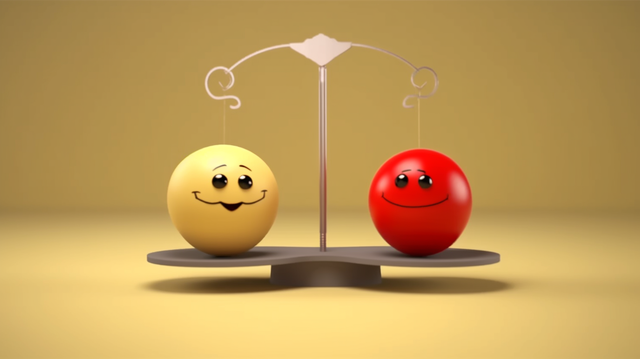
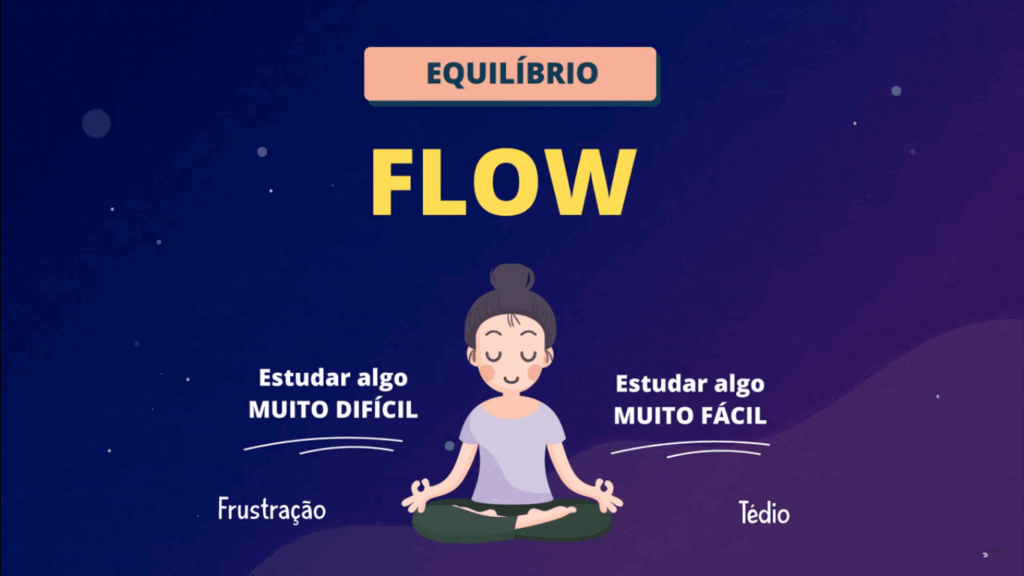
This is perhaps the most critical element. Flow emerges when the difficulty of a task stretches your abilities without overwhelming them. Too easy, and you experience boredom; too hard, and anxiety takes over. The sweet spot lies just beyond your current skill level—challenging enough to engage you fully but achievable with concentrated effort.
Sense of Control
Flow creates a feeling of effortless control over the situation. You feel capable and confident, trusting your abilities to handle whatever the activity demands.
Altered Perception of Time
Time distortion is one of flow’s most recognizable features. Hours can pass in what feels like minutes, or conversely, time can slow down, allowing you to process information and react with seemingly superhuman speed.
Intrinsically Rewarding Experience
Activities that produce flow are autotelic—worth doing for their own sake. The experience itself is the reward, independent of external outcomes or recognition.
🚀 Building Your Personal Flow Triggers
While flow might seem spontaneous and unpredictable, research has identified specific conditions that make it more likely to occur. By intentionally creating these conditions, you can cultivate flow states more consistently.
Environmental Design for Deep Focus
Your physical environment profoundly impacts your ability to enter flow. Create a dedicated workspace that minimizes distractions and signals to your brain that it’s time for deep work. This might mean noise-canceling headphones, a clean desk, appropriate lighting, or a specific location reserved for focused tasks.
Temperature matters too—research suggests slightly cool environments (around 65-68°F or 18-20°C) promote alertness and concentration. Consider the ergonomics of your setup as well; physical discomfort is a reliable flow-killer.
The Ritual of Beginning
Develop a consistent pre-work ritual that signals to your mind and body that you’re transitioning into deep focus mode. This might include making a specific beverage, a brief meditation session, reviewing your goals, or a particular playlist. The content matters less than the consistency—you’re training your brain to associate these actions with entering flow.
Strategic Challenge Selection
Choose tasks that stretch your abilities by approximately 4-5% beyond your current skill level. This precise balance keeps you engaged without triggering anxiety. Regularly assess whether tasks need to be broken down into smaller challenges or combined into more complex projects to maintain the optimal difficulty.
Eliminating Digital Distractions 📵
Nothing destroys flow faster than interruptions. During flow sessions, use website blockers, turn off notifications, put your phone in another room, or use airplane mode. Consider apps specifically designed to maintain focus and block distractions during predetermined periods.
The Flow-Productivity Connection 💼
Research conducted by McKinsey found that executives in flow state are five times more productive than normal. That’s not a marginal improvement—it’s transformational. Understanding why flow supercharges productivity helps you prioritize creating the conditions for it.
Accelerated Learning and Skill Development
Flow states accelerate skill acquisition dramatically. Studies show that people in flow learn skills and solve problems at rates 200-500% faster than normal. The neurochemical cascade released during flow enhances memory consolidation, pattern recognition, and neural pathway formation.
Enhanced Creative Problem-Solving
The transient hypofrontality that occurs during flow temporarily suspends the brain’s critical, judging functions. This allows for more divergent thinking and creative connections between disparate concepts. Many breakthrough innovations and artistic creations emerge from flow states.
Sustained Energy and Reduced Fatigue
Paradoxically, while flow demands intense focus and effort, people often emerge from flow sessions feeling energized rather than depleted. The intrinsic reward of the experience itself seems to replenish rather than drain our psychological resources.
Overcoming Common Flow Blockers 🚧
Even with optimal conditions, certain obstacles consistently prevent people from accessing flow. Identifying and addressing these blockers is essential for consistent flow experiences.
The Multitasking Myth
Attempting to juggle multiple tasks simultaneously is perhaps the most common flow-killer in modern work environments. Research conclusively shows that multitasking reduces efficiency, increases errors, and makes flow impossible. The brain doesn’t actually multitask—it rapidly switches between tasks, with each switch incurring a cognitive cost.
Commit to monotasking during your flow sessions. This means one task, one focus, one goal at a time. The discipline required to resist the temptation to check email, respond to messages, or switch projects pays enormous dividends in both productivity and flow frequency.
Perfectionism and Fear of Failure
Excessive self-criticism prevents the loss of self-consciousness necessary for flow. When you’re constantly evaluating and judging your performance, your prefrontal cortex remains active, blocking flow’s neurological signature. Cultivate a growth mindset that views challenges as opportunities rather than threats.
Insufficient Challenge or Excessive Difficulty
Remember the challenge-skill balance. Regularly assess whether tasks are appropriately calibrated. If you find yourself bored, increase the complexity or set tighter timeframes. If anxiety dominates, break the challenge into smaller sub-goals or acquire additional skills before attempting the full task.
Physical and Mental Depletion
Flow requires cognitive resources. Sleep deprivation, poor nutrition, dehydration, and chronic stress all impair your ability to enter flow. Treat these foundational elements of health as prerequisites for peak performance, not optional luxuries.
Designing Your Ideal Flow Schedule 📅
Strategic scheduling multiplies your flow opportunities. Rather than hoping flow happens spontaneously, architect your days and weeks to maximize conditions conducive to deep focus.
Identifying Your Peak Performance Windows
Most people have natural circadian rhythms that create predictable periods of high and low cognitive performance. Track your energy and focus levels throughout the day for a week to identify when you’re naturally most alert and focused. Schedule your most important, challenging work during these windows.
Time Blocking for Flow
Allocate uninterrupted blocks of at least 90 minutes for flow work. Research on ultradian rhythms suggests that 90-120 minute sessions align with natural cognitive cycles. Schedule these blocks as non-negotiable appointments with yourself, protecting them as fiercely as you would an important meeting.
Strategic Recovery Periods
Flow is intense. After deep flow sessions, your brain needs recovery time. Build in short breaks between flow blocks for physical movement, social connection, or simple rest. This isn’t wasted time—it’s essential for sustaining your capacity for repeated flow experiences.
🎯 Measuring and Tracking Your Flow Progress
What gets measured gets managed. Tracking your flow experiences helps you identify patterns, refine your approach, and gradually increase flow frequency and duration.
The Flow Frequency Journal
Maintain a simple log noting when flow occurs, how long it lasts, what you were doing, and the conditions present. Over time, patterns emerge that reveal your personal flow triggers and blockers. Note both successful and unsuccessful attempts to enter flow—the failures are often more instructive than the successes.
Key Metrics to Monitor
Track the number of flow sessions per week, their average duration, the types of activities that consistently produce flow, and your subjective assessment of flow depth. Also note external factors like time of day, environment, your physical state, and what you did immediately before entering flow.
| Flow Metric | Why It Matters | Target Range |
|---|---|---|
| Sessions per week | Frequency indicates how well you’re creating conditions | 5-10 sessions |
| Session duration | Longer sessions indicate deeper flow and better conditions | 90-180 minutes |
| Subjective intensity | Helps distinguish light focus from true flow | 7-10 (out of 10) |
| Post-flow energy | True flow energizes; false flow depletes | Higher than baseline |
Expanding Flow Beyond Work 🌟
While much flow research focuses on professional productivity, flow’s benefits extend far beyond work. The most fulfilling life is one rich with flow experiences across multiple domains.
Flow in Physical Activities
Exercise and sports are natural flow generators. Rock climbing, surfing, martial arts, dancing, and running all frequently produce flow states. The immediate physical feedback, clear goals, and progressive challenge structures make athletic pursuits ideal for flow cultivation.
Creative and Artistic Flow
Artists, musicians, and writers often describe their best work emerging from flow states. The challenge lies in structuring creative work to maintain the clarity and feedback that flow requires while honoring the non-linear nature of creative processes.
Social Flow
Flow isn’t limited to solitary activities. Group flow occurs when teams, bands, sports teams, or any collection of people working toward a shared goal enter a collective flow state. The conditions are similar—shared goals, equivalent skill levels, clear communication—but the experience is uniquely powerful.
Transforming Your Relationship with Work and Life 🦋
Ultimately, flow psychology offers more than productivity hacks and performance optimization. It provides a framework for living that prioritizes engagement, growth, and meaning over external markers of success.
When you orient your life around flow experiences—seeking challenges that stretch your abilities, minimizing shallow distractions, creating environments that support deep focus—you naturally gravitate toward work and activities that are intrinsically meaningful. This shift from extrinsic to intrinsic motivation is perhaps flow’s greatest gift.
The research is clear: people who experience frequent flow report greater life satisfaction, stronger sense of purpose, enhanced creativity, and reduced symptoms of depression and anxiety. Flow doesn’t just make you more productive—it makes you more fully alive.
Start small. Choose one upcoming task that matters to you and intentionally create flow-conducive conditions around it. Eliminate distractions, ensure appropriate challenge level, set clear goals, and commit to sustained focus. Notice what happens. Then do it again. And again.
Over time, these deliberate flow sessions become habits, the habits become skills, and the skills become a fundamentally different way of engaging with work and life. You’re not just accomplishing more—you’re experiencing the deep satisfaction that comes from operating at the edge of your abilities, fully present, completely engaged, and continuously growing.
The power of flow state psychology isn’t reserved for elite athletes or creative geniuses. It’s available to anyone willing to understand the conditions that produce it and consistently create those conditions in their own lives. Your productivity potential isn’t limited by time or talent—it’s unlocked by flow. The question is: are you ready to experience what you’re truly capable of? 🚀