Success isn’t just about climbing the ladder—it’s about maintaining your wellbeing while you do it. Balancing ambition with self-care has become one of the most critical skills for modern professionals navigating demanding careers.

🎯 The Modern Dilemma: Why Balance Feels Impossible
We live in a culture that celebrates hustle. Social media feeds overflow with stories of entrepreneurs working 18-hour days, athletes training through exhaustion, and executives sacrificing everything for their companies. This narrative creates a dangerous illusion: that success requires burning yourself out.
The truth is far more nuanced. Research consistently shows that sustainable success depends on maintaining your physical, mental, and emotional health. When you neglect self-care in pursuit of ambition, you’re not accelerating toward your goals—you’re undermining your ability to reach them.
The statistics paint a sobering picture. Studies indicate that burnout affects over 70% of professionals at some point in their careers. Chronic stress contributes to numerous health issues, from cardiovascular disease to anxiety disorders. Meanwhile, productivity actually decreases when we push beyond our natural limits without adequate recovery.
Understanding the Ambition-Wellbeing Connection
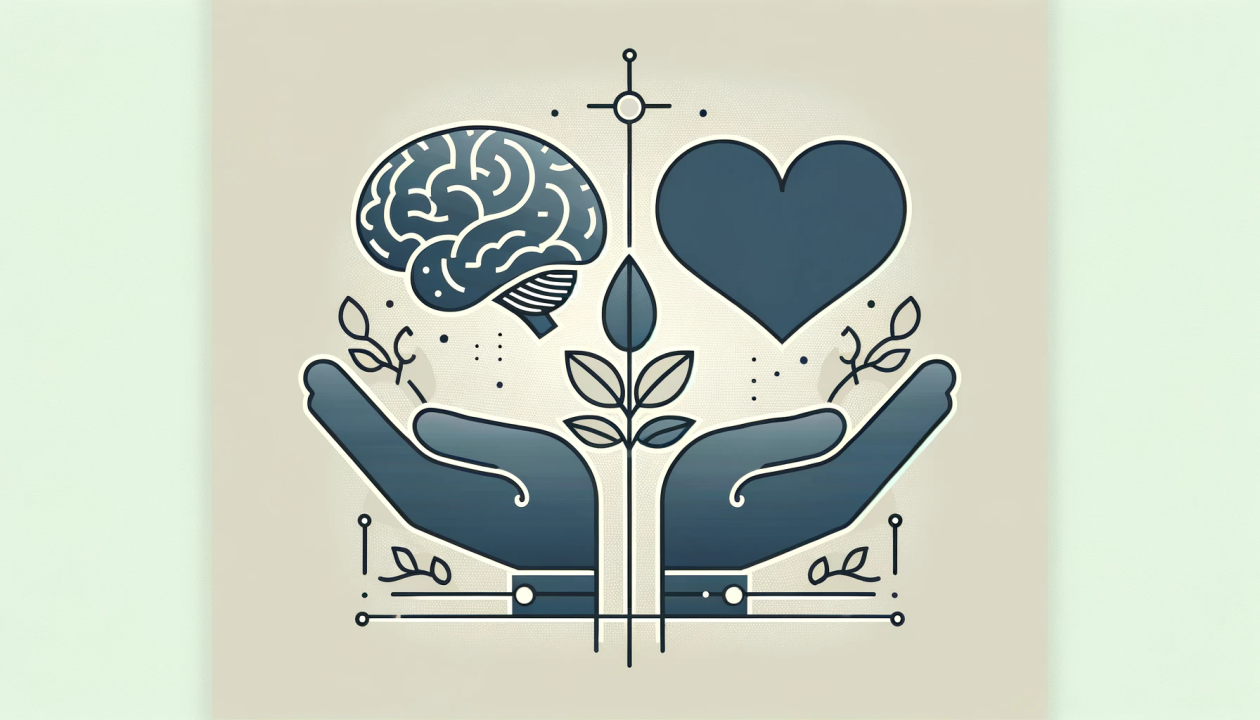
Ambition and self-care aren’t opposing forces—they’re complementary elements of a successful life. Think of them as two sides of the same coin. Your ambition provides direction and motivation, while self-care supplies the energy and resilience needed to pursue your goals sustainably.
High achievers who maintain long-term success understand this relationship instinctively. They recognize that rest isn’t laziness; it’s strategic recovery. They know that setting boundaries isn’t limiting their potential; it’s protecting their capacity to perform at their best.
The Science Behind Sustainable Performance
Neuroscience research reveals that our brains require downtime to consolidate learning, generate creative insights, and maintain cognitive function. When we constantly push without breaks, we operate in a state of diminished capacity, making more mistakes and missing opportunities we would otherwise notice.
Physical health directly impacts mental performance. Regular exercise improves focus, memory, and decision-making abilities. Quality sleep enhances problem-solving skills and emotional regulation. Proper nutrition fuels the brain with the resources it needs for optimal function.
🌟 Redefining Success on Your Own Terms
Before you can balance ambition with self-care, you need clarity about what success actually means to you. Too often, we chase goals imposed by societal expectations, family pressures, or comparison with others rather than pursuing what genuinely matters to us.
Take time to reflect on your core values. What brings you genuine satisfaction? What kind of life do you want to look back on years from now? Success might mean building a thriving business, but it could also mean having energy to enjoy dinner with family every evening. These goals don’t have to be mutually exclusive.
Creating Your Personal Success Blueprint
Define success across multiple dimensions of your life, not just career achievements. Consider your relationships, health, personal growth, contributions to community, and leisure activities. A truly successful life integrates all these elements rather than sacrificing everything for professional advancement.
Write down your vision for each life area. Be specific about what you want to achieve and, equally important, what you’re not willing to sacrifice. This clarity becomes your compass when making decisions about where to invest your time and energy.
The Strategic Approach to Self-Care
Self-care isn’t selfish indulgence—it’s strategic maintenance of your most important asset: yourself. Just as businesses invest in maintaining their equipment and infrastructure, you need to invest in maintaining your physical and mental capacity.
Effective self-care is proactive rather than reactive. Instead of waiting until you’re completely burned out to take a vacation, build recovery into your regular routine. Instead of collapsing from exhaustion before resting, schedule rest as a non-negotiable part of your week.
The Four Pillars of Strategic Self-Care
Physical self-care forms the foundation. This includes adequate sleep (7-9 hours for most adults), regular exercise, nutritious food, and medical care when needed. Your body is the vehicle that carries you toward your goals—maintain it accordingly.
Mental self-care involves activities that keep your mind sharp and prevent cognitive overload. This might include learning new skills unrelated to work, engaging in hobbies that challenge you differently, or simply allowing time for unstructured thinking and reflection.
Emotional self-care addresses your psychological wellbeing. Practice emotional awareness, maintain meaningful relationships, set healthy boundaries, and seek support when needed. Therapy or counseling isn’t a sign of weakness—it’s a tool successful people use to optimize their mental health.
Social self-care recognizes that humans are inherently social creatures. Nurture relationships that energize you, spend time with people who support your growth, and contribute to communities that align with your values. Quality connections provide both joy and resilience during challenging times.
⏰ Time Management for the Ambitious and Balanced
The common complaint “I don’t have time for self-care” usually reflects priorities rather than actual time scarcity. We find time for what we value. The challenge is making self-care as non-negotiable as your most important business meeting.
Effective time management for balance requires moving beyond simple to-do lists to strategic time allocation. This means planning your week to include both ambitious goals and recovery activities, recognizing that both are essential for sustainable success.
The Time-Blocking Method
Time-blocking involves scheduling specific activities during designated time periods rather than working from an endless task list. Block time for focused work on important projects, but also block time for exercise, meals, relationships, and rest.
Treat your self-care blocks with the same respect you’d give an important client meeting. Don’t cancel your workout because something “urgent” came up unless it’s genuinely an emergency. Most urgencies are simply poor planning or unclear boundaries in disguise.
The Power of Micro-Recovery
Balance doesn’t require hours of free time daily. Strategic micro-recoveries throughout your day can significantly impact your wellbeing and performance. A five-minute breathing exercise between meetings, a short walk after lunch, or ten minutes of stretching can reset your nervous system and restore focus.
These small practices accumulate to create significant benefits. Research shows that brief recovery periods throughout the day are more effective for maintaining performance than single longer breaks, particularly during periods of intense work.
Setting Boundaries Without Sabotaging Ambition
Many ambitious people fear that setting boundaries will limit their opportunities or mark them as uncommitted. The opposite is true. Clear boundaries actually increase your capacity to deliver excellent work because you’re operating from a place of energy rather than depletion.
Effective boundaries communicate your availability and working preferences clearly. This might mean not checking email after 8 PM, protecting one day per weekend as completely work-free, or limiting meetings to certain hours so you have uninterrupted time for deep work.
Communicating Your Boundaries Professionally
Setting boundaries requires clear, confident communication. You don’t need to apologize for having limits—simply state your boundaries matter-of-factly and offer alternatives when appropriate. For example: “I don’t take calls after 7 PM, but I can schedule time tomorrow morning to discuss this.”
When you consistently honor your boundaries, others learn to respect them. Initially, you might face pushback, but maintaining firm, polite boundaries establishes you as someone who manages their time and energy professionally.
📱 Technology: Tool or Tyrant?
Technology enables incredible productivity but also creates an expectation of constant availability that can destroy work-life balance. Learning to use technology intentionally rather than reactively is essential for modern professionals seeking balance.
Audit your technology use honestly. Which apps and tools genuinely support your productivity and wellbeing? Which ones fragment your attention and drain your energy without adding real value? Be ruthless about eliminating or limiting the latter.
Digital Boundaries for Better Balance
Establish clear rules about technology use. This might include turning off non-essential notifications, using separate devices for work and personal life, or implementing app limits for social media and other potential time-wasters.
Consider using productivity and wellness apps strategically to support your balance goals. Meditation apps can facilitate regular mindfulness practice, habit-tracking apps help maintain healthy routines, and time-tracking apps reveal where your hours actually go versus where you think they go.
Building Resilience for the Long Game 💪
Resilience isn’t about toughing it out through endless adversity—it’s about developing the capacity to recover from challenges and maintain wellbeing despite stress. For ambitious professionals, resilience is what enables sustained high performance over decades, not just months.
Resilience develops through regular practice of specific skills and habits. These include maintaining perspective during setbacks, adapting flexibly when plans change, cultivating optimism without denying reality, and building strong support networks you can lean on during difficult times.
The Growth Mindset Advantage
Adopting a growth mindset—the belief that abilities can be developed through effort—fundamentally changes how you approach both ambition and self-care. Challenges become opportunities for growth rather than threats to your self-worth. Rest becomes strategic investment rather than admission of weakness.
This mindset allows you to pursue ambitious goals while remaining kind to yourself when progress is slower than expected. You can push yourself without punishing yourself, creating a sustainable approach to achievement.
Creating Your Personalized Balance System
There’s no one-size-fits-all approach to balancing ambition and self-care. Your ideal balance depends on your personality, life stage, professional field, personal circumstances, and individual needs. What works for someone else might not work for you—and that’s perfectly fine.
Experiment with different strategies and pay attention to what actually improves your wellbeing and performance. Track both your productivity and how you feel. The goal isn’t perfect balance every single day—it’s creating a sustainable rhythm over weeks and months that allows you to thrive.
Regular Assessment and Adjustment
Schedule monthly reviews to assess your balance. Ask yourself: Am I making progress on my ambitious goals? Am I maintaining my physical and mental health? Do I have energy and enthusiasm for my work, or am I running on fumes? Are my relationships thriving or suffering?
Based on these assessments, adjust your approach. Perhaps you need to dial back work commitments temporarily while addressing a health issue. Maybe you’ve been playing it too safe and need to push yourself toward bigger goals. Balance is dynamic, not static—it requires ongoing attention and adjustment.
🌱 Thriving, Not Just Surviving
The ultimate goal isn’t merely surviving the juggle between ambition and self-care—it’s thriving through it. This means building a life where your ambition energizes rather than exhausts you, where success enhances rather than diminishes your wellbeing, and where you’re growing professionally without sacrificing what makes life worth living.
Thriving requires rejecting false dichotomies. You don’t have to choose between career success and personal wellbeing. You don’t have to sacrifice your health for your goals or abandon your ambitions to be healthy. Instead, you can integrate both into a coherent life strategy that honors all aspects of who you are.
This integration takes conscious effort, especially in a culture that still glorifies overwork and treats rest as laziness. You’ll need to resist external pressures and internal doubts. You’ll need to trust that sustainable approaches ultimately outperform sprint-and-crash cycles, even when the latter seems to produce faster short-term results.
Your Next Steps Forward
Start small but start today. You don’t need to overhaul your entire life immediately. Choose one area of self-care you’ve been neglecting and one boundary you need to establish. Take action on both this week.
Build your support system. Share your balance goals with trusted friends, family, or colleagues who can encourage you and hold you accountable. Consider finding a mentor who models the kind of sustainable success you’re seeking, or join communities of like-minded professionals navigating similar challenges.
Remember that balancing ambition and self-care is a practice, not a destination. You’ll never perfect it, but you can continually improve it. Be patient with yourself during this process. The fact that you’re thinking about balance and reading articles like this one means you’re already on the right path.
Success and wellbeing aren’t competing priorities—they’re complementary elements of a life well-lived. When you honor both your ambition and your need for self-care, you create the foundation for achievements that are not only impressive but also sustainable and deeply satisfying. That’s when you truly thrive through the juggle.