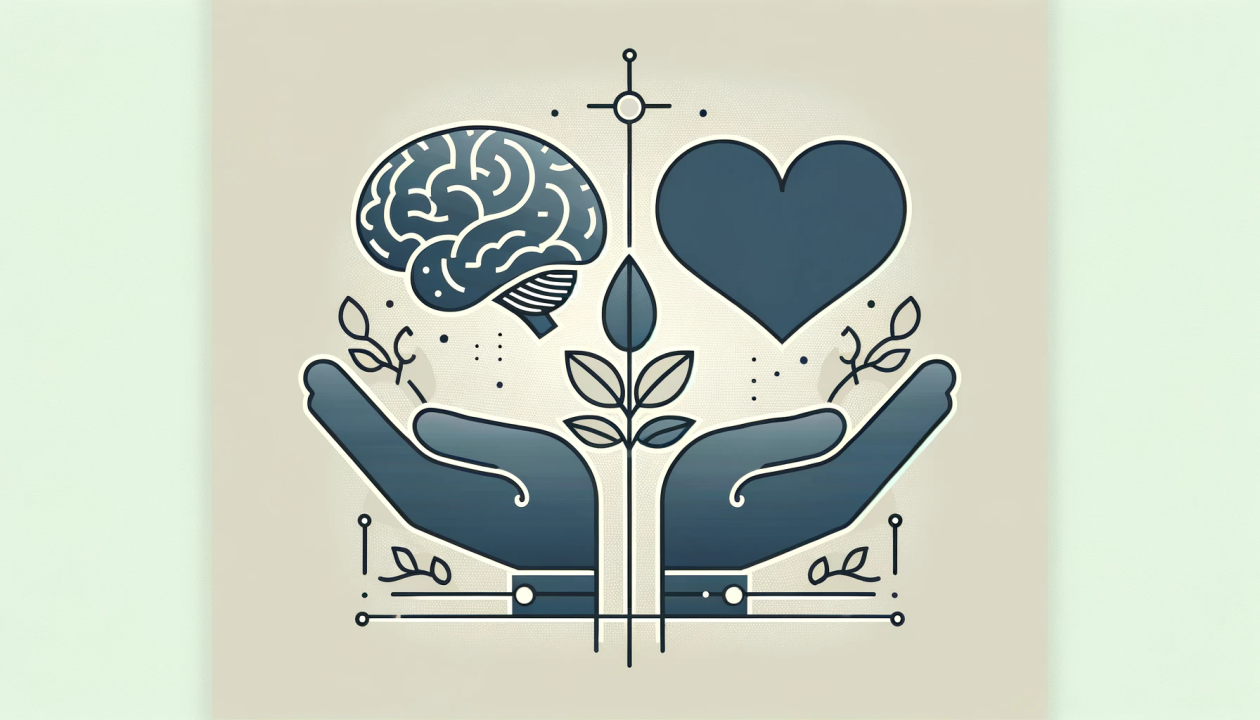
Yoga transcends physical exercise—it’s an ancient spiritual technology designed to unlock the profound power within you, transforming mind, body, and soul simultaneously through intentional practice.

🧘♀️ Understanding Yoga as Spiritual Technology
When we refer to yoga as “spiritual technology,” we’re acknowledging its systematic, time-tested approach to human transformation. Unlike modern technologies that externalize our experience, yoga provides internal tools—techniques refined over millennia—that rewire our consciousness, recalibrate our energy systems, and reconnect us with our essential nature.
The Sanskrit word “yoga” derives from the root “yuj,” meaning to yoke or unite. This union isn’t merely philosophical poetry; it represents the practical integration of fragmented aspects of ourselves: the thinking mind with the feeling heart, the physical body with subtle energy, individual consciousness with universal awareness.
Traditional yogic texts describe sophisticated frameworks for understanding human consciousness. The Yoga Sutras of Patanjali outline an eight-limbed path addressing everything from ethical conduct to breath control to meditation. The Bhagavad Gita presents multiple yoga paths suited to different temperaments. These aren’t arbitrary spiritual concepts but structured methodologies for systematic inner development.
The Mind-Body-Soul Trinity in Yogic Philosophy
Western culture typically separates mind, body, and soul into distinct categories. Yoga recognizes these as interconnected dimensions of a unified whole, each influencing the others in constant feedback loops.
The Physical Body: Your Sacred Temple
Yoga views the physical body not as separate from spirituality but as its foundation. The practice of asanas (postures) purifies the body, removes energetic blockages, and creates the stability necessary for deeper practices. When you hold a challenging pose, you’re not just building muscle—you’re training your nervous system to remain calm under stress, developing the somatic intelligence that supports spiritual awakening.
Research consistently demonstrates yoga’s physical benefits: increased flexibility, improved cardiovascular health, enhanced immunity, and reduced inflammation. But these physical improvements serve a higher purpose—creating a vessel capable of handling increased energetic flow and expanded consciousness.
The Mental Dimension: Mastering Your Inner Landscape
Perhaps yoga’s most transformative aspect is its impact on mental functioning. Our minds typically operate on autopilot, dominated by repetitive thought patterns, unconscious conditioning, and reactive emotional states. Yoga provides practical techniques to observe, understand, and ultimately transform these patterns.
Pranayama (breath control) directly influences nervous system regulation, shifting you from fight-or-flight sympathetic dominance to rest-and-digest parasympathetic activation. Meditation practices cultivate witness consciousness—the ability to observe thoughts without identification, creating space between stimulus and response.
Modern neuroscience validates what yogis have known for centuries: these practices literally rewire the brain. Studies show regular meditation increases gray matter density in areas associated with learning, memory, and emotional regulation while decreasing density in the amygdala, associated with stress and anxiety.
The Soul Component: Awakening to Your Essential Nature
Beyond physical health and mental clarity lies yoga’s ultimate aim: spiritual realization. Different traditions describe this differently—enlightenment, self-realization, moksha, samadhi—but all point toward recognizing your true nature beyond the limited ego-self.
This isn’t about adopting new beliefs or joining a religion. It’s about direct experience of consciousness itself, the awareness that remains constant beneath changing thoughts, emotions, and circumstances. Yoga provides systematic approaches to this recognition through practices designed to quiet mental noise and reveal what’s always been present.
⚡ The Energetic Architecture: Understanding Subtle Body Systems
Yoga’s sophisticated understanding of subtle energy systems distinguishes it from purely physical exercise. While invisible to conventional science, these systems provide a practical map for working with consciousness.
Chakras: Energy Centers of Transformation
The chakra system describes seven primary energy centers aligned along the spine, each associated with specific physical, emotional, and spiritual qualities:
- Muladhara (Root): Grounding, survival, physical vitality
- Svadhisthana (Sacral): Creativity, sexuality, emotional fluidity
- Manipura (Solar Plexus): Personal power, confidence, willpower
- Anahata (Heart): Love, compassion, connection
- Vishuddha (Throat): Expression, communication, authenticity
- Ajna (Third Eye): Intuition, insight, wisdom
- Sahasrara (Crown): Spiritual connection, transcendence, unity
Working systematically with these centers through specific asanas, visualizations, and mantras creates progressive transformation, addressing blocks and imbalances that limit your full expression.
Prana: The Life Force That Animates Everything
Prana—often translated as life force or vital energy—flows through subtle channels called nadis. Health and vitality depend on prana flowing freely; blockages create physical disease, emotional disturbance, and spiritual stagnation.
Pranayama practices don’t just involve breathing; they consciously direct prana, purifying channels, balancing energy, and preparing the system for higher states of consciousness. Techniques like alternate nostril breathing balance left and right brain hemispheres, while practices like breath retention build energetic capacity.
🌟 Practical Applications: Yoga for Modern Life Challenges
Yoga’s ancient wisdom offers surprisingly relevant solutions to contemporary problems. Its holistic approach addresses root causes rather than merely managing symptoms.
Stress and Anxiety Management
Modern life bombards us with stressors our nervous systems weren’t designed to handle. Yoga provides powerful tools for regulation. A consistent practice downregulates the stress response, teaching your body that safety exists. Forward folds calm the nervous system, inversions shift perspective, twists release tension stored in tissues.
The practice of staying present with uncomfortable sensations during challenging poses builds distress tolerance applicable off the mat. You learn viscerally that discomfort isn’t dangerous, that you can breathe through difficulty, that challenging moments pass.
Emotional Intelligence and Regulation
Yoga cultivates sophisticated emotional awareness. Rather than suppressing or being overwhelmed by emotions, you develop the capacity to feel fully while maintaining centered awareness. Hip-opening poses release stored emotional tension, heart-opening backbends cultivate courage and vulnerability, balancing poses develop equanimity.
This somatic approach to emotional processing complements talk therapy beautifully, addressing trauma and conditioning held in the body that words alone cannot reach.
Purpose and Meaning Discovery
Perhaps yoga’s most profound gift is reconnecting you with purpose. The quiet space created through practice allows your authentic self to emerge—the you beneath conditioning, expectations, and limiting beliefs. From this space, true calling becomes clear, decisions align with values, and life gains coherent direction.
🔥 Different Paths: Finding Your Yoga Style
Traditional yoga recognizes that different temperaments require different approaches. Understanding these paths helps you choose practices aligned with your nature and goals.
Hatha Yoga: The Physical Foundation
Hatha yoga emphasizes physical postures and breath control, providing the foundation for other practices. It’s ideal for beginners and those seeking tangible, body-based entry points to transformation. Modern variations include Iyengar (alignment-focused), Ashtanga (dynamic sequences), and Yin (long-held passive poses).
Raja Yoga: The Path of Meditation
Raja yoga, outlined in Patanjali’s Yoga Sutras, emphasizes meditation and mental discipline. This path suits those drawn to introspection, psychological exploration, and direct consciousness work.
Bhakti Yoga: The Path of Devotion
Bhakti yoga cultivates transformation through devotion, love, and surrender. Practices include chanting, ritual, and service. This path resonates with those who connect through emotion and relationship.
Karma Yoga: The Path of Selfless Action
Karma yoga transforms ordinary activities into spiritual practice through selfless service and detachment from outcomes. It’s perfect for active individuals who find sitting meditation challenging.
Jnana Yoga: The Path of Knowledge
Jnana yoga employs intellectual discrimination and self-inquiry to recognize truth. It appeals to philosophically-minded seekers who resonate with questioning and contemplation.
💫 Building Your Personal Practice: A Systematic Approach
Understanding yoga philosophically means nothing without consistent practice. Here’s how to build a transformative personal practice:
Start Where You Are
Forget Instagram-perfect poses. Yoga meets you exactly where you are—inflexible, stressed, confused. The practice itself creates change. Begin with just ten minutes daily rather than ambitious hour-long sessions you’ll abandon.
Create Sacred Space and Time
Designate specific space for practice, even just a corner with a mat. Consistent timing helps—many find morning practice sets positive tone for the day, while evening practice supports relaxation and sleep.
Integrate Multiple Dimensions
A complete practice includes physical postures, breathwork, meditation, and philosophical study. Balance these elements according to your needs and interests, allowing proportions to evolve naturally.
Work With Qualified Teachers
While apps and videos help maintain daily practice, nothing replaces personalized guidance from experienced teachers. They provide corrections, modifications, and transmission that digital resources cannot.
Track Your Journey
Keep a practice journal noting physical sensations, emotional states, insights, and challenges. Patterns emerge over time, revealing your unique transformation process.
🌈 Beyond the Mat: Yoga as Lifestyle
True transformation extends beyond formal practice into every aspect of life. The Yamas and Niyamas—yoga’s ethical guidelines—provide framework for integrated living.
The Yamas: Ethical Restraints
- Ahimsa (Non-violence): Practicing compassion toward yourself and others
- Satya (Truthfulness): Aligning words and actions with integrity
- Asteya (Non-stealing): Respecting boundaries and resources
- Brahmacharya (Energy conservation): Using vital energy wisely
- Aparigraha (Non-possessiveness): Releasing attachment and grasping
The Niyamas: Personal Observances
- Saucha (Purity): Maintaining cleanliness in body, mind, environment
- Santosha (Contentment): Finding peace with what is
- Tapas (Discipline): Cultivating purposeful effort and dedication
- Svadhyaya (Self-study): Engaging continuous self-reflection and learning
- Ishvara Pranidhana (Surrender): Releasing control to something greater
These principles aren’t rigid rules but living guidelines that deepen through practice and experience.
🌺 The Transformation Timeline: What to Expect
Transformation follows predictable patterns, though individual timelines vary. Understanding typical phases helps maintain commitment through challenges.
Initial Phase (Weeks 1-4): Foundation Building
Early practice feels awkward and challenging. You’re developing basic competence, learning poses, confronting physical limitations. Benefits include improved sleep, reduced stress, and increased body awareness.
Development Phase (Months 2-6): Deepening Practice
Physical capabilities expand noticeably. You access more challenging poses, breathwork becomes natural, meditation grows easier. Emotional patterns surface for processing. Many experience major life shifts—relationship changes, career transitions—as authentic self emerges.
Integration Phase (Months 6-12): Embodying Wisdom
Yoga philosophy moves from intellectual understanding to lived experience. You naturally apply yogic principles in daily life. Practice becomes non-negotiable self-care rather than discipline requiring willpower.
Maturation Phase (Year 2+): Continuous Unfolding
The practice becomes subtler, more refined. Physical achievement matters less than energetic sensitivity and conscious awareness. You may feel called to deepen study, complete teacher training, or share practices with others.
✨ Awakening Your Inner Power: The Ultimate Promise
Yoga’s ultimate promise isn’t perfect health, Instagram-worthy flexibility, or perpetual bliss. It’s something more profound: remembering who you truly are beneath conditioning, accessing power that’s always been yours, living from authentic center rather than reactive patterns.
This inner power manifests differently for everyone. For some, it’s courage to leave unfulfilling careers. For others, it’s capacity to love more fully, create more freely, or simply be present with life as it unfolds. It’s discovering that you’re not broken and needing fixing but whole and requiring only remembering.
The technology of yoga—its postures, breathing techniques, meditation practices, ethical guidelines, and philosophical frameworks—provides systematic methodology for this remembering. Unlike belief systems requiring faith, yoga invites experimentation and direct experience. Try the practices, observe results, adjust accordingly.

🙏 Your Journey Begins With a Single Breath
Thousands of years of yogic wisdom now stand available to you, preserved and transmitted through unbroken lineages. This spiritual technology doesn’t require special equipment, expensive memberships, or exotic locations. It requires only willingness to show up consistently, breathe consciously, and remain curious about your inner landscape.
Start today. Roll out your mat, sit for five minutes, or simply take three conscious breaths right now. Each moment of practice plants seeds of transformation that will blossom in ways you cannot yet imagine.
Your inner power awaits—not somewhere distant or requiring years of preparation, but here, now, in this very breath. The technology for accessing it has been refined over millennia. All that remains is your decision to begin.
The journey of a thousand miles begins with a single step. Your journey of profound transformation begins with a single conscious breath. Are you ready to unleash your inner power?