In a world overflowing with possessions, commitments, and digital noise, minimalism offers a refreshing path to clarity, purpose, and genuine inner peace.

Modern life has become increasingly complicated. Our homes overflow with items we rarely use, our calendars burst with obligations that drain our energy, and our minds constantly juggle endless to-do lists. This accumulation of physical and mental clutter doesn’t just occupy space—it consumes our attention, energy, and ultimately, our happiness.
Minimalism isn’t about deprivation or living with as few possessions as possible. Rather, it’s a intentional approach to life that helps you focus on what truly matters by removing what doesn’t. It’s about making room for the experiences, relationships, and pursuits that align with your values and bring genuine fulfillment.
The minimalist philosophy has ancient roots in various spiritual traditions, but its modern resurgence speaks to a collective yearning for simplicity in our complex world. As we navigate information overload, consumer culture, and unprecedented levels of stress, minimalism emerges as a practical solution to reclaim our peace of mind.
🧘 Understanding the Connection Between Clutter and Inner Turmoil
Research consistently demonstrates that our external environment significantly impacts our mental state. A cluttered space creates visual chaos that our brains must process, leading to increased cortisol levels and reduced ability to focus. When you walk into a room filled with disorganized items, your mind subconsciously catalogs each object, creating mental fatigue before you’ve even begun your day.
Physical clutter also carries emotional weight. Each unused item represents a decision postponed, money spent unwisely, or an identity we once aspired to but never fully embodied. That exercise equipment gathering dust reminds you of fitness goals unmet. The craft supplies in boxes represent hobbies abandoned. These silent reminders create a constant low-level stress that chips away at your sense of well-being.
Beyond physical possessions, mental and digital clutter produce similar effects. Overflowing email inboxes, hundreds of unread notifications, and endless browser tabs open simultaneously fragment your attention and prevent the deep focus necessary for meaningful work or relaxation.
The Psychological Burden of Excess
Psychologists have identified a phenomenon called “decision fatigue”—the deteriorating quality of decisions after a long session of decision-making. When your life is filled with excess, you face countless micro-decisions daily: what to wear from an overstuffed closet, which forgotten food item to rescue from the back of the refrigerator, or which streaming service to search for that show you want to watch.
Each decision, no matter how small, depletes your mental resources. By the time you need to make important decisions about work, relationships, or personal growth, you’ve already exhausted your cognitive reserves on trivial choices. Minimalism eliminates unnecessary decisions, preserving your mental energy for what truly matters.
✨ The Transformative Benefits of Living with Less
Embracing minimalism creates space—both literal and metaphorical—for what enriches your life. When you pare down your possessions to items you genuinely use and love, your relationship with your belongings transforms. Each item becomes intentional rather than incidental, chosen rather than accumulated.
This intentionality extends beyond physical objects. As you apply minimalist principles to your schedule, commitments, and relationships, you discover the profound freedom that comes from selective engagement. You’re no longer saying yes to everything; you’re saying yes to the right things.
Financial Freedom Through Conscious Consumption
Minimalism naturally leads to better financial health. When you stop purchasing items impulsively or to fill emotional voids, your spending aligns with your values. You invest in quality over quantity, buying fewer items that last longer rather than cheap disposables that need constant replacement.
The financial benefits compound over time. With fewer possessions, you might downsize to a smaller living space, reducing rent or mortgage costs. You spend less on maintenance, storage, and organization systems. Most importantly, you break free from the work-spend cycle that traps many people in unfulfilling jobs simply to maintain their lifestyle.
Deeper Relationships and Meaningful Connections
When you’re not constantly acquiring, organizing, and maintaining possessions, you have more time and energy for people. Minimalism helps you identify which relationships truly nourish you and which ones drain your emotional reserves out of obligation or habit.
This doesn’t mean becoming antisocial or cutting people off callously. Rather, it means being intentional about how you invest your social energy. Quality time with a few close friends provides more fulfillment than superficial interactions with dozens of acquaintances. Minimalism applied to relationships means showing up fully present for the people who matter most.
🏡 Practical Steps to Begin Your Minimalist Journey
Starting your minimalist transformation doesn’t require drastic action. In fact, gradual changes tend to be more sustainable than radical overnight purges. The goal isn’t to achieve some arbitrary number of possessions but to create a lifestyle that supports your well-being and reflects your authentic priorities.
The Strategic Decluttering Process
Begin with a single category or space rather than attempting to declutter your entire life simultaneously. Your closet makes an excellent starting point because clothing decisions consume significant mental energy daily, and most people have far more clothes than they actually wear.
As you evaluate each item, ask yourself these questions:
- Have I used this in the past year?
- Does this add value to my life currently?
- Would I acquire this again if I didn’t already own it?
- Does keeping this align with who I am now or who I hope to become?
- Am I holding onto this out of guilt, obligation, or “someday” thinking?
Be honest in your answers. The pants that don’t fit aren’t motivating you to lose weight; they’re making you feel inadequate every time you see them. The expensive kitchen gadget you’ve never used isn’t going to suddenly inspire culinary creativity.
Creating Systems That Prevent Re-Cluttering
Decluttering is only half the equation. Without systems to prevent new clutter from accumulating, you’ll find yourself back where you started within months. Implement a “one in, one out” rule—whenever something new enters your home, something old must leave.
Establish designated spaces for items and commit to returning things to their proper place. This isn’t about rigid perfectionism but about creating habits that maintain the clarity you’ve worked to achieve. When everything has a home, you’ll notice immediately when new clutter begins creeping in.
Unsubscribe from marketing emails that tempt you with products you don’t need. Avoid browsing online stores as entertainment. Find fulfillment through experiences, relationships, and personal growth rather than acquisition.
📱 Digital Minimalism: Taming the Virtual Chaos
Physical clutter is obvious, but digital clutter can be equally disruptive to your peace of mind. Your phone, computer, and online presence deserve the same minimalist attention as your closet.
Start by auditing the apps on your phone. How many do you actually use regularly? How many were downloaded on a whim and never opened again? Each unused app represents not just wasted digital space but a tiny cognitive burden—your brain knows it’s there even if you consciously ignore it.
Delete apps that don’t serve a clear purpose in your life. Disable notifications for everything except truly essential communications. Consider using app timers to limit mindless scrolling through social media. Your phone should be a tool that serves you, not a source of constant distraction and anxiety.
Email and Communication Overload
The average person receives over 120 emails daily, creating a sense of perpetual overwhelm. Achieving inbox zero doesn’t have to be a pipe dream. Unsubscribe ruthlessly from newsletters you don’t read. Use filters to automatically sort emails into folders. Set specific times for checking email rather than allowing it to interrupt your focus throughout the day.
Apply similar principles to text messages, social media, and other communication channels. You don’t need to be instantly available to everyone all the time. Creating boundaries around your attention isn’t rude—it’s essential for maintaining your mental clarity and being fully present when you do engage.
🌱 Minimalism Beyond Possessions: Simplifying Your Lifestyle
True minimalism extends beyond what you own to encompass how you spend your time, energy, and attention. Your calendar might be as cluttered as your closet ever was, filled with commitments that don’t align with your priorities.
Learning the Power of No
Every yes to something is simultaneously a no to something else. When you say yes to serving on another committee, you’re saying no to family time or personal pursuits. When you agree to help with every request, you’re saying no to your own goals and rest.
Learning to decline requests gracefully is essential for protecting your time and energy. You don’t need elaborate excuses. A simple “I appreciate you thinking of me, but I’m unable to commit to that right now” suffices. People who truly respect you will understand and appreciate your honesty.
Simplifying Your Routine and Habits
Examine your daily routines for unnecessary complexity. Do you really need a 10-step skincare routine, or would three quality products serve you just as well? Does meal planning require elaborate recipes, or can simple, nutritious meals provide satisfaction without the stress?
Simplification isn’t about eliminating enjoyable rituals but about questioning whether your habits serve you or you serve them. The goal is to create routines that support your well-being without becoming burdensome obligations.
💭 Cultivating the Minimalist Mindset for Lasting Peace
The external practices of minimalism—decluttering, organizing, simplifying—are valuable, but lasting inner peace requires a shift in mindset. Minimalism at its core is about questioning the default assumptions of consumer culture and choosing your own values instead.
Consumer culture constantly broadcasts the message that happiness comes from acquisition—the next purchase, the next upgrade, the next experience. Minimalism invites you to test this claim against your actual experience. Have your happiest moments truly come from obtaining things, or from connections, growth, and presence?
Gratitude and Contentment
Minimalism cultivates gratitude for what you already have. When you’re not constantly focused on what you lack or what you want next, you can appreciate the abundance already present in your life. This isn’t about settling or lacking ambition but about recognizing that contentment is a practice, not a destination.
A daily gratitude practice complements minimalism beautifully. Spending a few moments acknowledging what’s going well, what you appreciate, and what’s enough shifts your focus from scarcity to sufficiency. This mental shift reduces the compulsive seeking that drives unnecessary consumption and complexity.
Defining Success on Your Own Terms
Society often measures success by external markers—house size, car model, job title, social media followers. Minimalism empowers you to define success according to your own values. Perhaps success means having time for creative pursuits, maintaining deep relationships, contributing to your community, or simply experiencing daily peace.
This redefinition frees you from comparison and the exhausting race to keep up with others’ expectations. Your minimalist journey is uniquely yours; it doesn’t need to look like anyone else’s version. Some minimalists live in tiny homes with 100 possessions; others maintain comfortable traditional homes but with intentional curation. The form matters less than the underlying intention.
🌟 Sustaining Your Minimalist Practice Over Time
Minimalism isn’t a one-time project but an ongoing practice. Life changes, priorities shift, and new clutter—both physical and mental—naturally accumulates over time. Building regular maintenance into your routine prevents backsliding and keeps your space and mind clear.
Schedule quarterly reviews of your possessions, commitments, and habits. What’s working well? What’s creating friction or stress? What needs to be adjusted? These regular check-ins help you stay aligned with your values and catch clutter before it becomes overwhelming.
Be gentle with yourself when you slip. Buying something unnecessary or overcommitting your schedule doesn’t mean you’ve failed at minimalism. It means you’re human. Notice what triggered the behavior, learn from it, and recommit to your practice.
Finding Your Minimalist Community
Surrounding yourself with like-minded people who share your values makes sustaining a minimalist lifestyle much easier. Whether through online communities, local meetups, or friends who appreciate simplicity, connection with others on similar journeys provides support, inspiration, and accountability.
Share your experiences, challenges, and discoveries. Learning from others’ approaches might reveal new strategies you hadn’t considered. Equally important, you might inspire someone else who’s feeling overwhelmed by the complexity of modern life.
🎯 Embracing the Journey Toward Inner Peace
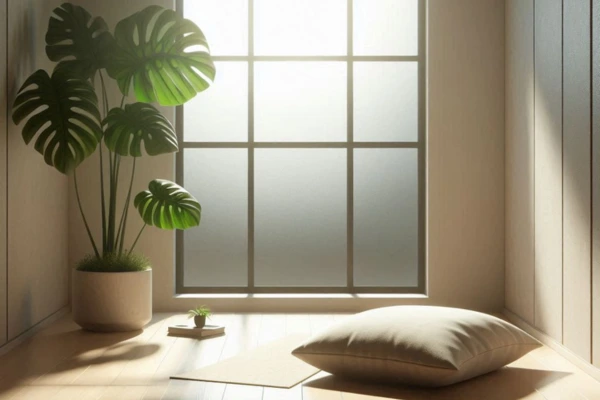
The path to inner peace through minimalism isn’t about achieving perfection or adhering to strict rules. It’s about continually asking what serves your well-being and having the courage to release what doesn’t. Each item you release, each commitment you decline, and each simplification you implement creates a little more space for breath, for joy, for presence.
As you simplify your external environment, you’ll discover that your internal landscape becomes clearer as well. The constant mental chatter quiets. Decisions become easier. Your authentic priorities rise to the surface. The anxiety that comes from too much—too many possessions, too many obligations, too many options—gradually dissolves.
Inner peace doesn’t mean the absence of challenges or difficulties. Life remains complex, and problems don’t disappear because you own fewer things or have a clearer schedule. However, minimalism provides you with more resources—time, energy, mental clarity, financial flexibility—to navigate life’s inevitable challenges with greater resilience and grace.
Your minimalist journey begins with a single step: choosing one small area of your life to simplify. Perhaps it’s that junk drawer, your email inbox, or this week’s schedule. Start there, experience the relief that comes with a little less clutter, and let that momentum carry you forward. The inner peace you seek isn’t found in some future destination after achieving perfect minimalism. It emerges gradually with each intentional choice to honor what matters and release what doesn’t.
In simplifying your life, you’re not giving up comfort, joy, or abundance. You’re clearing away the obstacles to experiencing those things more fully. You’re creating space for your truest self to emerge and for your deepest values to guide your daily choices. That’s the real power of minimalism—not in what you give up, but in what you gain: yourself, your peace, and your freedom to live intentionally.