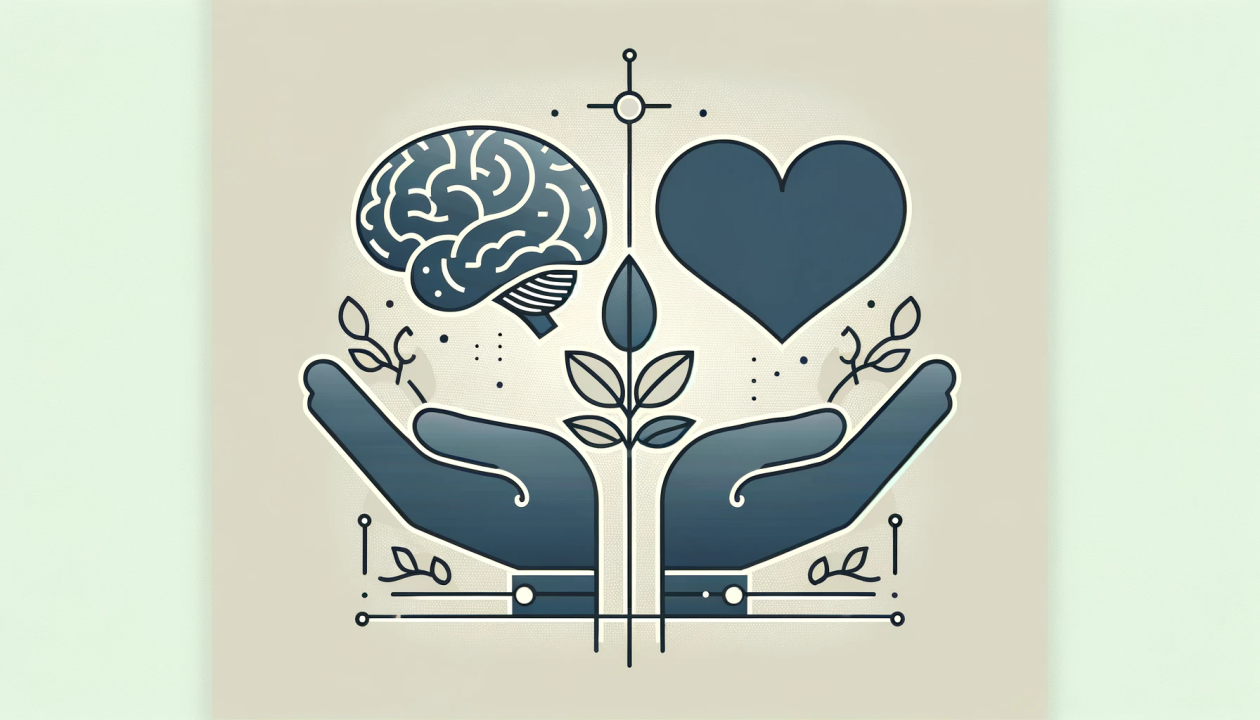
Breathwork is more than just breathing—it’s a powerful gateway to unlocking your deepest potential, transforming your mental, emotional, and physical well-being through conscious control.

🌬️ The Ancient Practice Meeting Modern Science
For thousands of years, ancient civilizations understood what modern science is only now beginning to validate: the breath is a bridge between our conscious and unconscious minds. From yogic pranayama in India to Tibetan Tummo breathing, cultures across the globe have recognized breathwork as a transformative tool for healing and self-discovery.
Today, neuroscience reveals that specific breathing patterns can alter brain chemistry, reduce stress hormones, and activate the parasympathetic nervous system. This isn’t mysticism—it’s measurable biology. When you consciously control your breath, you’re directly influencing your nervous system, emotional state, and even gene expression.
The beauty of breathwork lies in its accessibility. Unlike many wellness practices that require special equipment, extensive training, or significant financial investment, your breath is always with you. It’s the most underutilized tool for personal transformation that exists in your toolkit right now.
Understanding the Breath-Mind-Body Connection
Your breathing pattern reflects your emotional state. Notice how your breath becomes shallow and rapid when you’re anxious, or slow and deep when you’re relaxed. This connection works both ways—by changing your breath, you can change your state of mind.
The autonomic nervous system, which controls involuntary bodily functions, has two branches: the sympathetic (fight-or-flight) and parasympathetic (rest-and-digest). Most modern humans spend excessive time in sympathetic dominance due to chronic stress. Breathwork offers a direct pathway to activate the parasympathetic response, creating a physiological state of calm and restoration.
Research from institutions like Stanford University and Harvard Medical School demonstrates that controlled breathing exercises can lower blood pressure, reduce anxiety, improve sleep quality, and enhance cognitive function. The vagus nerve, a crucial component of the parasympathetic system, responds particularly well to specific breathing techniques.
The Science Behind the Transformation
When you engage in conscious breathwork, several physiological changes occur simultaneously. Carbon dioxide and oxygen ratios shift, influencing blood pH and hemoglobin’s ability to release oxygen to tissues. This biochemical cascade affects every cell in your body.
Additionally, breathwork influences brainwave states. Certain techniques can induce theta brainwave patterns associated with deep meditation, creativity, and access to subconscious material. This explains why many practitioners report profound insights, emotional releases, and breakthrough moments during breathwork sessions.
🔥 Powerful Breathwork Techniques for Different Goals
Different breathing patterns produce different results. Understanding which technique serves which purpose allows you to use breathwork strategically throughout your day for specific outcomes.
Box Breathing for Mental Clarity and Focus
Navy SEALs use box breathing to maintain composure in high-stress situations. This technique involves inhaling for four counts, holding for four, exhaling for four, and holding empty for four. The symmetrical pattern creates mental balance and sharpens concentration.
Practice box breathing before important meetings, creative work, or any situation requiring peak mental performance. Five minutes of this practice can shift your entire nervous system from scattered to centered.
Wim Hof Method for Energy and Resilience
Made famous by the “Iceman” Wim Hof, this technique combines powerful inhalations, passive exhalations, and breath retention. The method temporarily creates a controlled stress state, training your body to better manage real stressors.
Research on the Wim Hof Method shows it can influence the autonomic nervous system and immune response—previously thought impossible through conscious control. Practitioners report increased energy, improved immunity, and enhanced mental toughness.
4-7-8 Breathing for Deep Relaxation and Sleep
Dr. Andrew Weil popularized this technique based on ancient pranayama practices. Inhale through your nose for four counts, hold for seven, and exhale completely through your mouth for eight. This pattern acts as a natural tranquilizer for the nervous system.
The extended exhalation activates the parasympathetic response, making this technique ideal for bedtime, managing anxiety, or transitioning between high-stress activities. Many insomniacs find this more effective than medication for falling asleep.
Alternate Nostril Breathing for Balance and Harmony
This yogic technique balances the left and right hemispheres of the brain. By alternating which nostril you breathe through, you create neurological equilibrium that promotes emotional stability and mental clarity.
Studies show that alternate nostril breathing can improve cardiovascular function, enhance cognitive performance, and reduce anxiety more effectively than random breathing patterns.
💫 Breathwork for Emotional Healing and Release
One of the most profound applications of breathwork involves emotional processing and trauma release. The body stores unprocessed emotions in muscular tension and cellular memory. Conscious connected breathing can access and release these stored patterns.
Holotropic breathwork, developed by psychiatrist Stanislav Grof, uses accelerated breathing to induce non-ordinary states of consciousness. Practitioners often experience emotional catharsis, accessing memories and feelings that talk therapy alone couldn’t reach.
Transformational breathwork and rebirthing techniques similarly use circular breathing patterns—continuous breathing without pauses—to move beyond the thinking mind and into deeper layers of consciousness. Many report profound emotional releases, crying, shaking, or feelings of euphoria as blocked energy moves through their system.
Creating a Safe Container for Deep Work
When using breathwork for emotional healing, creating proper conditions matters tremendously. A quiet space, comfortable position, and ideally a trained facilitator or trusted companion provide safety for whatever arises.
Setting clear intentions before a session helps guide the experience. Whether you’re seeking clarity on a specific issue, wanting to release old pain, or simply opening to whatever needs to emerge, your intention shapes the journey.
🎯 Integrating Breathwork into Daily Life
The real transformation happens not during occasional intensive sessions but through consistent daily practice. Even five minutes of conscious breathing can shift your entire day’s trajectory.
Consider creating breathing rituals around existing daily activities. Practice box breathing during your morning coffee, use 4-7-8 breathing before bed, or take three conscious breaths before starting your car. These micro-practices accumulate into significant change.
Morning Breathwork to Set Your Day’s Tone
Beginning your day with intentional breathing establishes a foundation of presence and empowerment. A simple practice might include:
- Five minutes of box breathing to create mental clarity
- Three rounds of energizing breath to activate your body
- Two minutes of gratitude breathing, inhaling appreciation and exhaling tension
This 10-minute investment pays dividends throughout your entire day, helping you respond rather than react to whatever arises.
Breathwork Breaks Throughout the Day
Set reminders to pause for breathing breaks every few hours. These brief interruptions prevent stress accumulation and maintain your energetic baseline. Even three conscious breaths can reset your nervous system.
Before meals, practice five gratitude breaths. This simple act activates your parasympathetic nervous system, optimizing digestion while cultivating mindfulness around eating.
🌟 Advanced Practices and Continuous Growth
As you develop your breathwork practice, you may feel called to explore more advanced territories. Breathwork retreats offer immersive experiences that can catalyze breakthrough transformations in compressed timeframes.
Working with a certified breathwork facilitator provides personalized guidance, accountability, and safety for deeper explorations. They can help you navigate challenging experiences and integrate insights that emerge during sessions.
Combining Breathwork with Other Modalities
Breathwork synergizes powerfully with other transformative practices. Combining it with meditation deepens your contemplative capacity. Pairing it with movement practices like yoga or qigong creates whole-system integration.
Some practitioners combine breathwork with sound healing, using specific frequencies to amplify the breathwork’s effects. Others integrate it with cold exposure, heat therapy, or plant medicine ceremonies under proper guidance.
Overcoming Common Challenges and Obstacles
Many beginners encounter tetany—temporary tingling, cramping, or stiffness in the hands and face during intense breathing practices. This results from CO2 changes and typically passes quickly. Understanding this prevents panic when it occurs.
Some people initially feel anxiety when focusing on their breath, especially if they’ve experienced trauma. Start gently with shorter sessions, perhaps just one minute initially, gradually building capacity as your nervous system learns that focused breathing is safe.
Consistency proves more challenging than technique for most practitioners. Life’s demands crowd out practice. Consider breathwork non-negotiable self-care rather than optional luxury. Schedule it like any important appointment.
When to Seek Professional Guidance
While basic breathwork practices are generally safe, certain conditions warrant caution. Pregnancy, cardiovascular conditions, epilepsy, or severe mental health challenges require medical consultation before beginning intense breathwork practices.
If you experience persistent dizziness, chest pain, or severe emotional distress during practice, stop immediately and consult healthcare professionals. Breathwork is powerful medicine—respect its potency.
🚀 Measuring Your Transformation Journey
Tracking your progress helps maintain motivation and reveals patterns you might otherwise miss. Keep a simple breathwork journal noting your practice duration, technique used, and physical-emotional states before and after.
Notice changes over weeks and months rather than expecting immediate dramatic shifts. Transformation often happens gradually, like water shaping stone. One day you realize you’re responding differently to stress, sleeping better, or feeling more present—the cumulative effect of consistent practice.
Objective measures can also be valuable. Heart rate variability (HRV) scores typically improve with regular breathwork. Blood pressure often decreases. Sleep quality metrics may show enhancement. These data points validate what you’re feeling subjectively.
Building Your Personal Breathwork Practice
Your breathwork practice should evolve with you, meeting your changing needs and circumstances. What serves you during a stressful period may differ from what you need during times of expansion and growth.
Experiment with different techniques, times of day, and durations. Notice what resonates. Some people thrive with morning practices, others prefer evening. Some need energizing techniques, others calming approaches. Your body’s wisdom will guide you.
Consider joining online breathwork communities or local practice groups. Breathing together amplifies individual practice and provides support, accountability, and shared wisdom. The collective field created by group breathing often facilitates deeper experiences than solo practice.
🌈 Your Breath as a Lifelong Companion
Breathwork isn’t a quick fix or temporary intervention—it’s a lifelong relationship with your most fundamental life force. As you deepen this relationship, you’ll discover layers of potential you didn’t know existed within you.
The breath meets you wherever you are and supports you through every phase of life. During challenging times, it anchors you. During joyful moments, it amplifies your capacity to receive. Through all circumstances, it remains your constant companion, always available, always working on your behalf.
Your potential isn’t something external to achieve or acquire. It already exists within you, waiting for the right conditions to emerge. Breathwork creates those conditions, clearing obstacles and opening pathways for your authentic self to flourish.
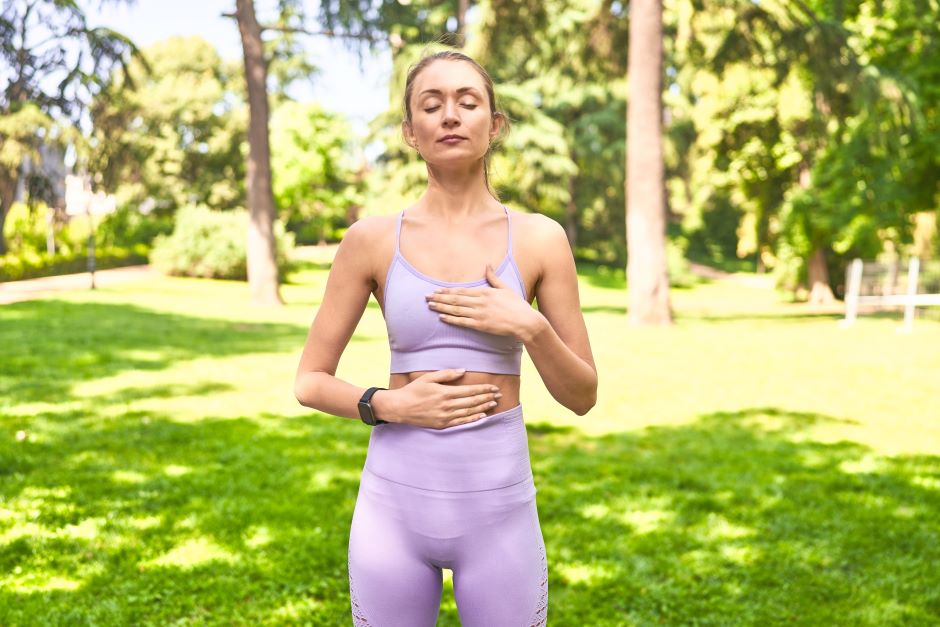
Begin today. Take one conscious breath right now. Feel the air entering your body, sustaining your life, connecting you to this present moment. This simple act is where transformation begins—not someday, not after you learn more techniques, but right now, with the next breath you take.
Your journey of unleashing potential through breathwork is unique to you. Trust your process, honor your pace, and remember that every breath is an opportunity for renewal. The power to transform your life has been with you all along, flowing in and out with each cycle of breath, waiting only for your conscious attention to activate its full potential.