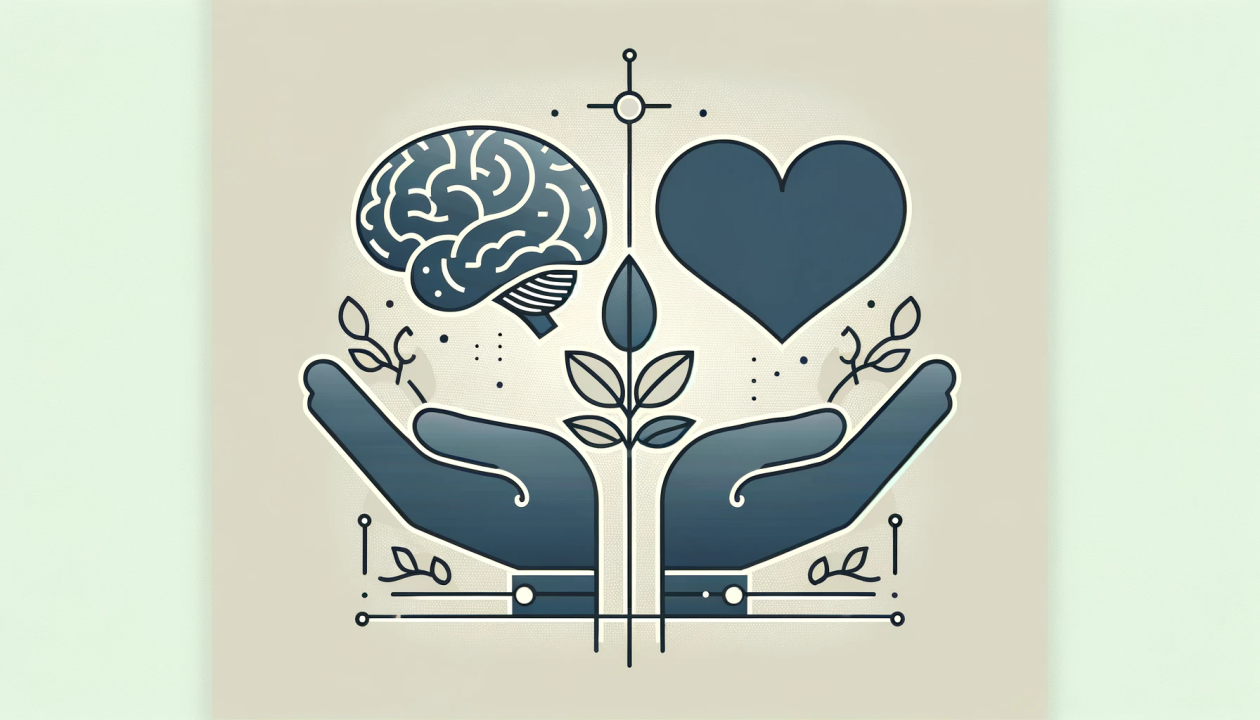
Holistic wellness isn’t just a trend—it’s a transformative approach that addresses mind, body, and spirit as interconnected elements of lasting health.

In our fast-paced modern world, we’ve become accustomed to quick fixes and Band-Aid solutions for health problems. We take a pill for headaches, another for stress, and yet another for sleep. But what if there was a better way? A comprehensive approach that doesn’t just mask symptoms but addresses the root causes of ill health and creates sustainable wellness from the inside out.
Holistic health practices have been gaining momentum as more people discover that true wellness cannot be achieved by treating the body as separate parts. Instead, sustainable health emerges when we recognize the intricate connections between our physical, mental, emotional, and even spiritual well-being. This integrated perspective offers profound benefits that conventional medicine alone often cannot provide.
🌿 Understanding the Holistic Health Philosophy
The holistic approach to health is founded on a simple yet powerful principle: the whole person is greater than the sum of their parts. Rather than focusing exclusively on symptoms or isolated body systems, holistic practitioners consider how various aspects of a person’s life influence their overall health.
This philosophy recognizes that a persistent headache might stem not just from physical tension but from unresolved stress, poor sleep patterns, nutritional deficiencies, or emotional turmoil. By examining the complete picture, holistic approaches can identify and address underlying imbalances that conventional treatments might overlook.
Ancient healing traditions from around the world—including Traditional Chinese Medicine, Ayurveda, and indigenous healing practices—have always embraced this comprehensive view. Modern science is now validating many of these time-tested principles, revealing the biochemical connections between thoughts, emotions, and physical health.
The Mind-Body Connection: More Than Just Theory
Research in psychoneuroimmunology has demonstrated that our thoughts and emotions directly influence our immune system, hormonal balance, and even gene expression. Chronic stress, for instance, triggers inflammatory responses that can contribute to everything from cardiovascular disease to autoimmune conditions.
Conversely, positive mental states and stress-reduction practices have been shown to enhance immune function, reduce inflammation, and promote cellular repair. This scientific evidence reinforces what holistic practitioners have long understood: we cannot separate mental health from physical health.
💪 Core Pillars of Holistic Wellness
A truly holistic approach to health rests on several foundational pillars, each essential for creating sustainable wellness. When these elements work in harmony, they create a synergistic effect that amplifies overall health outcomes.
Nutrition as Medicine
Food is far more than fuel—it’s information that communicates directly with our cells and genes. Holistic nutrition emphasizes whole, minimally processed foods that nourish the body at a cellular level while supporting optimal gut health, which research increasingly shows is crucial for everything from immunity to mental health.
Rather than following restrictive diets or counting calories obsessively, holistic nutrition focuses on food quality, variety, and eating in alignment with your body’s unique needs. This might include anti-inflammatory foods, nutrient-dense vegetables, quality proteins, and healthy fats that support hormone production and brain function.
Movement and Physical Activity
Exercise in a holistic context goes beyond burning calories or building muscle. It’s about finding joyful movement that energizes rather than depletes, reduces stress, improves circulation, supports detoxification, and enhances mental clarity.
This might include yoga, which combines physical postures with breathwork and meditation; tai chi, which cultivates balance and energy flow; dance, hiking in nature, or any activity that connects you with your body in positive ways. The key is consistency and enjoyment rather than punishment or obligation.
Sleep and Recovery
Quality sleep is non-negotiable for sustainable health. During sleep, your body repairs tissues, consolidates memories, balances hormones, and clears metabolic waste from the brain. Chronic sleep deprivation has been linked to obesity, diabetes, cardiovascular disease, cognitive decline, and mood disorders.
Holistic approaches to sleep prioritize sleep hygiene, circadian rhythm alignment, stress management, and creating environments conducive to deep, restorative rest. This foundation supports all other wellness efforts.
Stress Management and Emotional Wellness
Chronic stress is perhaps the most pervasive health challenge of modern life. Holistic wellness acknowledges that managing stress isn’t about eliminating all challenges but developing resilience and healthy coping mechanisms.
Practices like meditation, mindfulness, journaling, therapy, breathwork, and spending time in nature all play crucial roles in emotional regulation and stress reduction. These aren’t luxuries—they’re essential components of preventive healthcare.
🧘♀️ Integrative Practices That Transform Health
Holistic wellness draws from diverse traditions and modalities, creating a personalized toolkit for sustainable health. Here are some evidence-based practices that have demonstrated significant benefits.
Mindfulness and Meditation
Mindfulness meditation has been extensively studied and shown to reduce anxiety and depression, lower blood pressure, improve pain management, enhance cognitive function, and even slow cellular aging. Regular practice literally changes brain structure, increasing gray matter in areas associated with learning, memory, and emotional regulation.
Starting with just five to ten minutes daily can yield noticeable benefits. Apps like Headspace or Calm can provide guided sessions for beginners looking to establish a consistent practice.
Acupuncture and Traditional Chinese Medicine
Acupuncture works by stimulating specific points on the body to influence energy flow and promote healing. Modern research suggests it may work through effects on the nervous system, releasing natural pain-relieving chemicals and reducing inflammation.
Studies have shown acupuncture’s effectiveness for chronic pain, migraines, anxiety, insomnia, and digestive issues. When combined with herbal medicine and dietary recommendations, Traditional Chinese Medicine offers a comprehensive system for addressing imbalances before they manifest as disease.
Functional Medicine Testing
Functional medicine practitioners use advanced testing to identify underlying imbalances in gut health, hormone levels, nutrient status, inflammation markers, and toxic burden. This data-driven approach allows for highly personalized interventions targeting root causes rather than symptoms.
This might reveal, for example, that chronic fatigue stems from thyroid dysfunction, nutrient deficiencies, or chronic infections that standard medical tests miss. Addressing these underlying issues can lead to dramatic health improvements.
Energy Healing and Bodywork
Practices like Reiki, therapeutic massage, craniosacral therapy, and reflexology work with the body’s energy systems and soft tissues to release tension, improve circulation, and activate healing responses. While mechanisms aren’t fully understood, research indicates these practices can reduce pain, anxiety, and stress while promoting relaxation and well-being.
🌍 Creating Your Personal Holistic Health Plan
The beauty of holistic wellness is that it’s infinitely customizable to your unique needs, preferences, and circumstances. Creating a sustainable health plan involves self-awareness, experimentation, and gradual implementation.
Start With Assessment
Begin by honestly evaluating your current state across multiple dimensions. Consider your energy levels, sleep quality, stress levels, dietary habits, movement practices, emotional health, and sense of purpose. Identify areas causing the most concern or offering the greatest opportunity for improvement.
Journaling can be valuable here, helping you notice patterns between lifestyle factors and how you feel. You might discover that certain foods trigger symptoms, or that skipping exercise impacts your mood more than you realized.
Set Holistic Goals
Rather than focusing solely on weight loss or disease prevention, set goals that encompass overall wellness. These might include having more consistent energy throughout the day, improving sleep quality, reducing anxiety, enhancing mental clarity, or simply feeling more vibrant and alive.
Make goals specific and measurable, but also compassionate and realistic. Sustainable change happens through small, consistent actions rather than dramatic overhauls that prove impossible to maintain.
Build Your Wellness Toolkit
Identify practices and modalities that resonate with you and address your specific needs. Your toolkit might include:
- A morning meditation or journaling practice to start the day with intention
- Meal planning strategies that prioritize nutritious, anti-inflammatory foods
- Regular movement that you genuinely enjoy, whether yoga, hiking, or dancing
- Evening rituals that support quality sleep, like herbal tea and limiting screen time
- Periodic appointments with holistic practitioners like acupuncturists or massage therapists
- Stress management techniques like breathwork or time in nature
- Community connections that provide emotional support and accountability
Track and Adjust
Pay attention to how different practices and lifestyle changes affect your well-being. What works beautifully for one person might not suit another. Be willing to experiment and adjust your approach based on results.
Consider using a wellness journal or app to track factors like energy, mood, sleep, and symptoms. Over time, patterns will emerge that guide you toward what truly supports your unique body and needs.
⚡ Overcoming Common Obstacles to Holistic Wellness
Embracing a holistic approach isn’t always straightforward. Modern life presents numerous challenges that can derail even the best intentions. Recognizing these obstacles helps you prepare strategies to overcome them.
Time Constraints and Busy Schedules
Perhaps the most common barrier is feeling there simply aren’t enough hours in the day. The key is recognizing that wellness practices don’t require massive time investments—consistency matters more than duration.
Even five minutes of morning meditation, a ten-minute walk during lunch, or preparing simple nutritious meals can create significant impacts. Start small and build gradually rather than attempting complete lifestyle overhauls that prove unsustainable.
Information Overload
The wellness industry bombards us with conflicting advice, miracle cures, and the latest trends. This overwhelming noise can lead to paralysis or constantly jumping between approaches without giving any sufficient time to work.
Combat this by focusing on foundational principles—quality sleep, stress management, whole foods, regular movement—rather than chasing every new supplement or protocol. Work with trusted practitioners who can help you navigate options and create personalized plans.
Financial Considerations
Some holistic practices and practitioners aren’t covered by insurance, creating financial barriers for many. However, numerous effective strategies cost little or nothing: walking in nature, home meditation practice, cooking whole foods, adequate sleep, and breathwork.
Prioritize investments that offer the greatest return for your specific needs. Sometimes a few sessions with an acupuncturist or functional medicine practitioner can identify issues that, once addressed, require minimal ongoing intervention.
Lack of Social Support
When those around you don’t understand or support lifestyle changes, maintaining motivation becomes challenging. Seek out communities—whether online or in-person—of like-minded individuals pursuing holistic wellness.
Many find that as they experience improvements, their enthusiasm naturally inspires others. Leading by example often proves more effective than trying to convince skeptics through arguments.
🎯 The Long-Term Benefits of Holistic Living
While quick fixes might provide temporary relief, holistic approaches create lasting transformation that extends far beyond physical health. Those who commit to this path often report profound shifts that enhance every aspect of life.
Physical benefits include increased energy, improved immune function, better sleep, reduced chronic pain, balanced weight, and decreased reliance on medications. Many people find that symptoms they’ve struggled with for years—digestive issues, headaches, skin problems—dramatically improve or resolve entirely.
Mental and emotional benefits are equally significant. Reduced anxiety and depression, enhanced mental clarity, improved mood stability, greater emotional resilience, and a deeper sense of purpose and connection commonly emerge from holistic practices.
Perhaps most importantly, holistic wellness fosters a fundamentally different relationship with your body and health. Rather than viewing the body as something to control or fix, you develop appreciation for its wisdom and innate healing capacities. Health becomes something you cultivate daily rather than something you take for granted until it fails.

🌟 Embracing the Journey Toward Sustainable Health
Holistic wellness isn’t a destination you reach but an ongoing journey of discovery, growth, and self-care. There will be setbacks, plateaus, and times when old habits resurface. This is normal and expected—the key is approaching yourself with compassion and returning to supportive practices without judgment.
As you integrate holistic approaches into your life, you’ll likely find that what began as strategies for addressing specific health concerns evolves into a comprehensive lifestyle that honors your whole self. The practices that once required discipline become genuine sources of joy and nourishment.
You’ll develop greater body awareness, noticing subtle signals that something needs attention before minor imbalances become significant problems. This preventive approach is perhaps the most powerful aspect of holistic wellness—addressing issues at their roots rather than waiting for crisis.
The ripple effects extend beyond individual health. As you cultivate wellness, you naturally influence those around you—family members, friends, and colleagues—creating communities of health rather than islands of isolation. Your energy, vitality, and presence become gifts you share with the world.
True sustainable health emerges not from perfect adherence to rules but from genuine self-care, curiosity about what makes you thrive, and willingness to honor your body’s needs. The holistic approach provides frameworks and practices, but you remain the ultimate authority on your own wellness journey.
By recognizing the interconnections between mind, body, and spirit, and addressing health from multiple angles simultaneously, you unlock levels of vitality and well-being that partial approaches simply cannot achieve. This is the true power of holistic wellness—not just managing symptoms or preventing disease, but cultivating vibrant, sustainable health that allows you to fully engage with life’s possibilities. 🌈