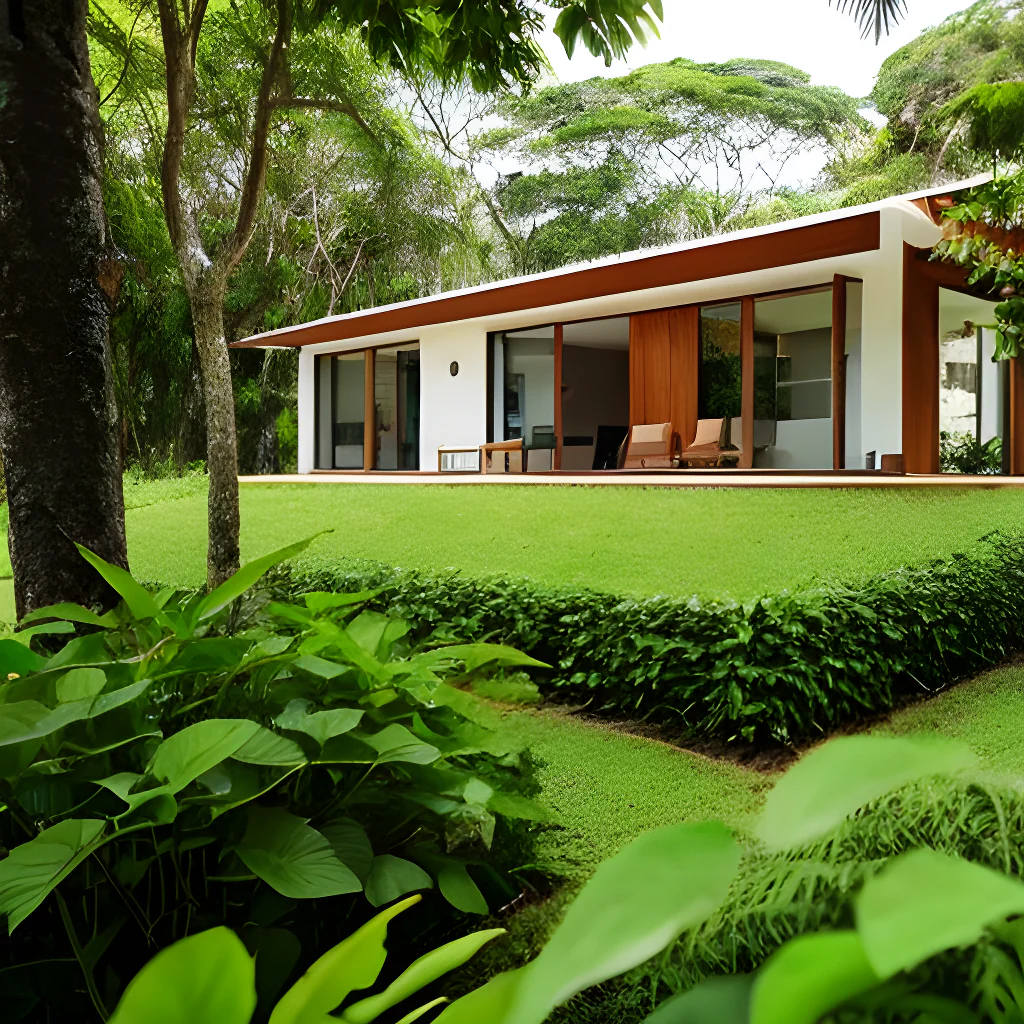
Sustainable living starts at home, and choosing eco-friendly materials and design principles can transform your space into an environmentally responsible sanctuary while reducing your carbon footprint.

🌱 Understanding the Foundation of Sustainable Home Design
The concept of green living has evolved dramatically over the past decade, moving from a niche interest to a mainstream necessity. Sustainable home design encompasses everything from the materials we choose to the energy systems we implement, creating spaces that work in harmony with nature rather than against it. This approach not only benefits our planet but also enhances our quality of life, reduces long-term costs, and creates healthier living environments for our families.
Modern sustainable architecture focuses on minimizing environmental impact throughout a building’s entire lifecycle. This means considering not just the construction phase, but also the operational efficiency, maintenance requirements, and eventual deconstruction or recycling of materials. By adopting these principles, homeowners can significantly reduce their ecological footprint while creating beautiful, functional spaces that stand the test of time.
The Core Principles of Eco-Conscious Architecture
Energy efficiency forms the cornerstone of sustainable home design. This involves strategic orientation of your home to maximize natural light and passive solar heating, reducing dependency on artificial lighting and HVAC systems. South-facing windows in the Northern Hemisphere, for instance, can capture winter sunlight while proper overhangs prevent overheating during summer months.
Water conservation represents another critical element. Implementing rainwater harvesting systems, greywater recycling, and drought-resistant landscaping can dramatically reduce water consumption. These systems work together to create a closed-loop approach to water management, ensuring that every drop is used efficiently and responsibly.
Material selection plays an equally important role in sustainable construction. Choosing locally sourced, renewable, or recycled materials reduces transportation emissions and supports regional economies. These materials should also be durable, requiring minimal maintenance and replacement over time, which further reduces environmental impact.
🏡 Revolutionary Eco-Friendly Building Materials
The construction industry has witnessed remarkable innovation in sustainable materials. Bamboo has emerged as a superstar among renewable resources, growing up to three feet per day and reaching maturity in just three to five years. This makes it an exceptional alternative to traditional hardwoods, which can take decades to mature. Bamboo’s tensile strength rivals that of steel, making it suitable for flooring, cabinetry, and even structural elements.
Reclaimed wood offers another compelling option for environmentally conscious builders. Salvaged from old barns, factories, and demolished buildings, this material carries unique character while preventing perfectly good timber from ending up in landfills. Each piece tells a story and adds distinctive warmth to modern homes, combining sustainability with aesthetic appeal.
Innovative Insulation Solutions
Hempcrete represents a groundbreaking development in sustainable insulation. Made from the woody core of hemp plants mixed with lime, this material provides excellent thermal performance while actually absorbing carbon dioxide as it cures. Unlike conventional insulation materials that can off-gas harmful chemicals, hempcrete is completely natural and improves indoor air quality.
Recycled denim insulation transforms old jeans into effective thermal barriers. This material requires no protective gear during installation, unlike traditional fiberglass, and provides superior sound dampening properties. It’s treated with non-toxic borate compounds to resist pests, fire, and mold, making it both safe and effective.
Sheep’s wool insulation offers remarkable moisture management capabilities. This natural fiber can absorb up to 30% of its weight in moisture without feeling damp, helping regulate humidity levels naturally. It’s also naturally flame-resistant and can last for decades without losing effectiveness.
Smart Energy Systems for Modern Green Homes ⚡
Solar energy systems have become increasingly accessible and efficient. Modern photovoltaic panels convert sunlight into electricity with unprecedented efficiency, and battery storage systems allow homeowners to use solar power even after sunset. These systems can dramatically reduce or eliminate electric bills while providing energy independence and resilience against power outages.
Geothermal heating and cooling systems tap into the earth’s constant underground temperature to regulate home climate. While installation costs are higher than conventional HVAC systems, the operational savings and environmental benefits make them worthwhile long-term investments. These systems can reduce energy consumption for heating and cooling by up to 70%.
Wind energy solutions have scaled down to residential applications. Small wind turbines can complement solar panels, particularly in areas with consistent breezes. When integrated into a comprehensive renewable energy system, they contribute to achieving net-zero energy homes.
💧 Water Management and Conservation Strategies
Implementing a comprehensive water management system begins with understanding your household’s consumption patterns. Low-flow fixtures, including toilets, showerheads, and faucets, can reduce water usage by 30-50% without sacrificing performance. Modern designs maintain comfortable pressure while minimizing waste.
Rainwater harvesting systems collect precipitation from roof surfaces and store it for irrigation or, with proper filtration, household use. Even in areas with moderate rainfall, these systems can provide significant portions of a home’s water needs. The collected water is naturally soft and free from chemicals found in municipal supplies.
Greywater recycling systems capture water from sinks, showers, and washing machines for reuse in toilet flushing and landscape irrigation. This approach can reduce household water consumption by up to 40%, making it one of the most effective conservation strategies available to homeowners.
Sustainable Landscaping Techniques
Xeriscaping transforms outdoor spaces using drought-tolerant native plants that require minimal irrigation. This approach creates beautiful, low-maintenance gardens while conserving precious water resources. Native plants also provide essential habitat for local wildlife and pollinators, supporting biodiversity.
Permeable paving materials allow rainwater to infiltrate the ground naturally rather than running off into storm drains. Options include permeable concrete, porous asphalt, and interlocking pavers with gaps filled with vegetation. These surfaces reduce flooding risks while naturally filtering pollutants from runoff.
🌿 Indoor Air Quality and Non-Toxic Materials
The materials inside our homes significantly impact the air we breathe. Volatile organic compounds (VOCs) released from conventional paints, adhesives, and finishes can cause health problems ranging from headaches to respiratory issues. Choosing low-VOC or zero-VOC alternatives protects your family’s health while reducing environmental pollution.
Natural clay plasters and lime-based paints offer beautiful, breathable alternatives to synthetic wall coverings. These materials regulate humidity naturally, resist mold growth, and create stunning textured surfaces that add character to any room. They’re also completely biodegradable at the end of their useful life.
Cork and linoleum flooring provide sustainable alternatives to vinyl and carpet. Cork is harvested from tree bark without harming the tree, while linoleum is made from renewable materials including linseed oil, cork dust, and wood flour. Both materials are naturally antimicrobial and offer excellent durability.
Energy-Efficient Windows and Natural Lighting 🪟
High-performance windows represent one of the most effective upgrades for energy efficiency. Triple-pane windows filled with argon or krypton gas provide exceptional insulation, dramatically reducing heat transfer. Low-E coatings reflect infrared light, keeping heat inside during winter and outside during summer while allowing visible light to pass through.
Strategic window placement maximizes natural daylight, reducing reliance on artificial lighting. Clerestory windows, skylights, and light tubes can illuminate interior spaces without compromising privacy or wall space. This approach not only saves energy but also creates healthier, more pleasant living environments.
Window treatments made from natural, sustainable materials add another layer of energy efficiency. Cellular shades trap air in honeycomb-shaped cells, providing excellent insulation. Bamboo blinds, organic cotton curtains, and hemp roman shades offer eco-friendly options that complement any design aesthetic.
🔨 Sustainable Renovation and Retrofitting Strategies
Transforming an existing home into a sustainable sanctuary doesn’t require complete reconstruction. Strategic renovations can dramatically improve efficiency and environmental performance. Starting with an energy audit identifies the most impactful improvements, allowing you to prioritize investments for maximum benefit.
Adding insulation to walls, attics, and basements often provides the best return on investment. Air sealing cracks and gaps prevents conditioned air from escaping, making heating and cooling systems more efficient. These improvements can reduce energy consumption by 30-50% while increasing comfort.
Upgrading to energy-efficient appliances reduces electricity and water consumption significantly. Look for ENERGY STAR certified products that meet strict efficiency guidelines. Modern refrigerators, dishwashers, and washing machines use a fraction of the resources required by older models.
Preserving Existing Structures
The most sustainable building is often the one that already exists. Renovation and adaptive reuse prevent demolition waste and preserve the embodied energy in existing materials. Historic buildings can be updated with modern efficiency technologies while maintaining their character and architectural significance.
Deconstruction rather than demolition allows materials to be salvaged and reused. Careful disassembly recovers valuable items including lumber, fixtures, and architectural elements that can be incorporated into new projects or sold to support renovation costs.
🌍 Creating Self-Sufficient Living Spaces
The ultimate goal of sustainable home design is creating spaces that generate their own energy, manage their own water, and minimize waste. Net-zero homes produce as much energy as they consume annually, typically through a combination of exceptional efficiency and renewable energy generation.
Integrated design approaches consider how different systems work together synergistically. For example, a well-insulated building envelope reduces heating and cooling demands, allowing smaller, more efficient HVAC systems. This interconnected thinking creates homes that are greater than the sum of their parts.
Smart home technology optimizes resource use automatically. Programmable thermostats, automated lighting systems, and intelligent appliances reduce waste without requiring constant attention. These systems learn occupant patterns and adjust accordingly, maximizing efficiency while maintaining comfort.
Financial Benefits and Long-Term Value 💰
While sustainable materials and systems sometimes carry higher upfront costs, they typically provide excellent return on investment. Energy-efficient homes have significantly lower operating costs, with savings accumulating year after year. Many improvements pay for themselves within five to ten years through reduced utility bills.
Green homes command premium prices in real estate markets. Buyers increasingly value sustainability features, recognizing both the financial and environmental benefits. Studies show that certified green homes sell faster and for higher prices than conventional properties.
Numerous incentives, rebates, and tax credits support sustainable home improvements. Federal, state, and local programs offer financial assistance for solar installations, energy-efficient upgrades, and green building certifications. These programs can offset initial costs substantially, making sustainable choices more accessible.
🌟 Building a Greener Future Together
Sustainable home design represents more than individual choices—it’s part of a larger movement toward environmental responsibility. Every eco-friendly material selected, every energy system optimized, and every water-saving fixture installed contributes to a healthier planet for future generations.
Education and awareness continue driving innovation in green building. As more people embrace sustainable living, demand increases for better materials, more efficient technologies, and comprehensive solutions. This creates a positive feedback loop, making green options increasingly accessible and affordable.
Community initiatives and shared resources amplify individual efforts. Tool libraries, material exchanges, and cooperative purchasing programs make sustainable choices more practical. Sharing knowledge and experiences helps others navigate the transition to greener living.
The journey toward sustainable living is ongoing, with new technologies and techniques constantly emerging. Starting with small changes and gradually expanding your efforts creates lasting impact without overwhelming resources or commitment. Each step forward, no matter how modest, contributes to a more sustainable future.
By embracing sustainable home design and eco-friendly materials, we create living spaces that nurture both people and planet. These choices reflect our values, protect our health, and ensure that future generations inherit a world capable of supporting vibrant, thriving communities. The path to a greener future begins at home, with decisions we make today shaping the world we’ll inhabit tomorrow.