
Modern life demands so much from us that stress can feel like a constant companion. Learning to reframe your thoughts can transform how you experience daily challenges and unlock lasting peace.

Our minds are powerful storytellers, constantly interpreting events and assigning meaning to everything we encounter. The narrative we create about our experiences directly shapes our emotional responses, stress levels, and overall wellbeing. When we develop the skill of cognitive reframing, we gain the ability to rewrite these stories in ways that serve us better, reducing unnecessary stress and cultivating a genuinely positive mindset.
Cognitive reframing isn’t about denying reality or forcing toxic positivity. Instead, it’s a sophisticated mental technique that allows us to examine situations from multiple angles, challenging automatic negative thoughts and replacing them with more balanced, constructive perspectives. This approach has roots in cognitive behavioral therapy and has been validated by decades of psychological research demonstrating its effectiveness in reducing anxiety, depression, and stress-related disorders.
🧠 Understanding the Mechanics of Cognitive Reframing
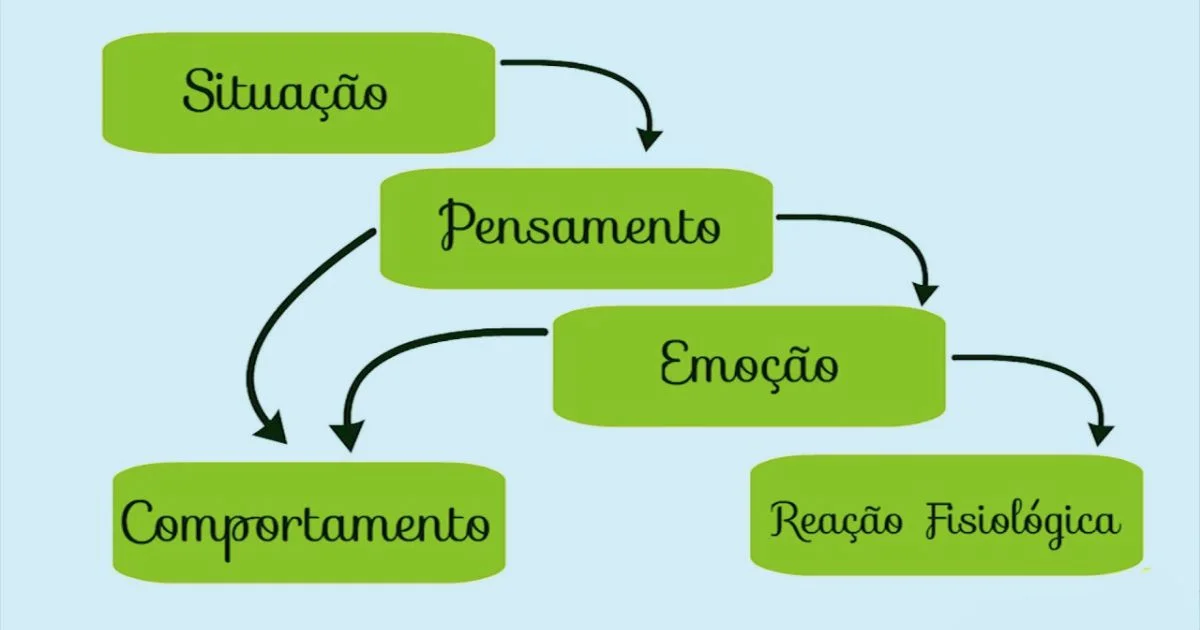
Before we can master cognitive reframing, we need to understand how our thoughts create our emotional reality. Every situation we encounter passes through a mental filter—our cognitive framework—that interprets what’s happening and assigns meaning. This interpretation happens so quickly that we often mistake it for objective reality, when in fact it’s just one possible way of viewing the situation.
Consider a simple example: receiving critical feedback at work. One person might interpret this as evidence they’re incompetent and will lose their job, triggering intense anxiety. Another person might view the same feedback as valuable information that will help them improve and advance their career, feeling motivated rather than threatened. The external event is identical; the internal experience is completely different based on how each person frames the situation.
This cognitive process involves several components working together. First, there’s the activating event—something that happens in the external world. Then comes our belief system—the assumptions, rules, and expectations we hold about how things should be. These beliefs generate automatic thoughts that flash through our minds, often below conscious awareness. Finally, these thoughts produce emotional and behavioral consequences that shape our experience and actions.
Identifying Your Automatic Thought Patterns 🔍
The first step in mastering cognitive reframing is becoming aware of your automatic thoughts. These mental habits operate like background programs on a computer, constantly running without your conscious attention. They’re often negative, pessimistic, and distorted, yet because they’re so familiar, we accept them as truth without question.
Common cognitive distortions include all-or-nothing thinking, where everything is seen in black-and-white extremes with no middle ground. There’s catastrophizing, where we imagine the worst possible outcome and treat it as inevitable. Personalization makes us take responsibility for things outside our control, while mind reading assumes we know what others are thinking (usually negatively about us). Emotional reasoning convinces us that because we feel something, it must be true.
To catch these automatic thoughts, start paying attention to moments when your mood suddenly shifts. When you notice yourself feeling stressed, anxious, or upset, pause and ask yourself: “What just went through my mind?” Often, you’ll discover a thought or interpretation that triggered the emotional response. Writing these thoughts down can be particularly helpful, as it externalizes them and makes them easier to examine objectively.
The ABCDE Method for Effective Reframing
Psychologist Albert Ellis developed a structured approach to cognitive reframing that remains highly effective. The ABCDE method provides a systematic way to challenge and change unhelpful thought patterns, making it easier to develop this skill with practice.
A stands for Activating Event: Identify the specific situation or trigger that preceded your stress response. Be concrete and factual, focusing on what actually happened rather than your interpretation of it.
B represents Beliefs: Notice the thoughts and interpretations that arose in response to the event. These are the stories your mind automatically created about what the event means.
C indicates Consequences: Recognize the emotional and behavioral results of those beliefs. How did these thoughts make you feel? What actions did you take or avoid as a result?
D is for Disputation: This is where the reframing happens. Challenge your automatic thoughts by asking questions like: Is this thought based on facts or feelings? What evidence supports or contradicts this interpretation? Are there alternative explanations? What would I tell a friend in this situation? Am I making assumptions?
E represents the New Effect: After successfully disputing unhelpful beliefs, you’ll experience different emotional and behavioral consequences—typically reduced stress and more constructive actions.
Practical Reframing Techniques for Daily Stress 💪
While the ABCDE method provides excellent structure, there are several specific reframing techniques you can apply to common stressful situations. These approaches offer different angles for viewing challenges, expanding your mental flexibility and resilience.
The growth mindset reframe transforms obstacles into learning opportunities. Instead of thinking “I failed at this,” you might reframe it as “I learned what doesn’t work and I’m one step closer to finding what does.” This approach, popularized by psychologist Carol Dweck, shifts focus from fixed limitations to expandable capabilities.
Temporal reframing involves adjusting your time perspective. When something feels overwhelming in the moment, ask yourself: “Will this matter in five years? In one year? In one month?” Often, we realize that what feels catastrophic today will barely register as a memory in the near future, helping put the situation in proportion.
The benefit-finding reframe looks for potential positives within negative situations. This isn’t about denying difficulties but about developing the ability to recognize unexpected opportunities, lessons, or growth that might emerge from challenges. Research shows that people who engage in benefit-finding cope better with stress and trauma.
Compassionate reframing applies the same kindness to yourself that you would offer a good friend. When your inner critic becomes harsh, pause and ask: “Would I speak to someone I care about this way?” Then deliberately rephrase your self-talk with more understanding and encouragement.
🌟 Building a Sustainable Reframing Practice
Like any skill, cognitive reframing improves with consistent practice. Initially, it may feel awkward or forced, but over time it becomes more natural and automatic. The key is creating regular opportunities to exercise this mental muscle.
Start with a daily reflection practice, perhaps in the evening before bed. Review your day and identify two or three moments when you felt stressed or upset. For each situation, practice the ABCDE method, writing out your responses to solidify the learning. This regular practice trains your brain to recognize patterns and develop more balanced thinking habits.
Meditation and mindfulness practices complement cognitive reframing beautifully. Mindfulness creates the mental space necessary to observe thoughts without immediately believing them, which is essential for effective reframing. Even five to ten minutes of daily mindfulness meditation can significantly improve your ability to catch and redirect unhelpful thought patterns.
Another powerful practice involves creating a “reframe journal” where you specifically record successful reframes. When you successfully shift your perspective and experience relief from stress, document both the original thought and the reframed version. Over time, this journal becomes a personalized resource you can review during difficult moments, reminding you of your capacity to change your mental experience.
Overcoming Resistance to Reframing
Despite its benefits, cognitive reframing often meets internal resistance. Understanding these obstacles helps you navigate them more effectively when they arise in your practice.
One common form of resistance is the belief that our automatic thoughts represent absolute truth. We become attached to our interpretations, defending them even when they cause suffering. Remember that thoughts are mental events, not facts. They’re one possible interpretation among many, and we can choose which interpretations serve us better.
Another challenge is the fear that reframing means we’re denying real problems or being inauthentic. This misunderstanding confuses reframing with dismissiveness. Effective reframing acknowledges reality fully while choosing the most constructive interpretation and response. You can simultaneously recognize that something is difficult and believe in your capacity to handle it.
Some people resist reframing because negative thinking feels protective—if they expect the worst, they won’t be disappointed. However, research consistently shows that pessimistic thinking doesn’t prevent bad outcomes; it just ensures you suffer in advance. Optimistic reframing doesn’t make you naive; it preserves your emotional resources for actual challenges rather than imagined ones.
The Neuroscience Behind Positive Thinking 🧪
Understanding the brain science behind cognitive reframing can strengthen your motivation to practice it. Neuroscience research reveals that our thinking patterns literally reshape our brains through neuroplasticity—the brain’s ability to form new neural connections throughout life.
When we repeatedly engage in negative thinking, we strengthen the neural pathways associated with stress responses, making it easier for our brains to default to pessimistic interpretations. Conversely, regularly practicing cognitive reframing builds and strengthens neural networks associated with balanced thinking and emotional regulation.
Research using brain imaging shows that cognitive reframing activates the prefrontal cortex, the brain region responsible for rational thinking and executive control, while reducing activity in the amygdala, which triggers stress and fear responses. Over time, this practice increases gray matter density in brain regions associated with emotional regulation and reduces reactivity to stressors.
The implications are profound: your thoughts aren’t just passive observations of reality—they’re actively shaping your brain’s structure and function. Every time you successfully reframe a stressful thought, you’re literally rewiring your brain for greater resilience and wellbeing.
Integrating Reframing into Different Life Domains 🏡
The beauty of cognitive reframing is its universal applicability. Once you understand the principles, you can apply them to virtually any source of stress in your life.
In work contexts, reframing helps manage common stressors like deadlines, conflicts, and criticism. A tight deadline becomes an opportunity to practice focus and efficiency. Workplace conflict transforms into a chance to improve communication skills. Critical feedback shifts from a personal attack to valuable data for professional development.
Relationship stress benefits enormously from reframing. When your partner does something annoying, you might initially frame it as disrespect or lack of consideration. Reframing might reveal alternative interpretations: they’re distracted by their own stress, they have different priorities, or they simply don’t realize the impact of their behavior. This shift from accusatory to curious thinking opens space for productive communication rather than defensive conflict.
Health challenges often generate catastrophic thinking that amplifies suffering. Reframing doesn’t minimize medical realities but can shift focus from “my body is betraying me” to “my body is sending me important signals” or from “I’m broken” to “I’m adapting to challenging circumstances.” This perspective shift measurably affects both psychological wellbeing and physical health outcomes.
Creating an Environment That Supports Positive Mindset 🌱
While internal cognitive work is essential, your external environment significantly influences your ability to maintain positive reframing. Being intentional about your surroundings and inputs strengthens your reframing practice.
Consider the media you consume regularly. Constant exposure to negative news, social media comparison, or pessimistic content creates a mental backdrop that makes negative thinking feel more natural and justified. Curating your information diet—limiting news consumption, unfollowing accounts that trigger negative comparisons, and actively seeking inspiring content—provides mental input that supports rather than undermines your reframing efforts.
Your social environment matters profoundly. Spending time with chronically negative people can pull you into their interpretive frameworks, while relationships with resilient, growth-oriented individuals reinforce constructive thinking patterns. This doesn’t mean abandoning struggling friends, but it does mean being conscious about whose perspectives you absorb and making sure you have regular contact with people who model the mindset you’re cultivating.
Physical environment affects mental state as well. Clutter, disorder, and uninspiring spaces can reinforce feelings of overwhelm and helplessness. Creating an environment that feels peaceful, organized, and personally meaningful supports the mental clarity necessary for effective cognitive reframing.
Measuring Your Progress and Celebrating Growth 📈
As you develop your reframing practice, tracking progress helps maintain motivation and provides evidence of improvement that might otherwise go unnoticed.
Consider keeping a stress journal where you rate your daily stress levels on a simple scale. Over weeks and months of reframing practice, you’ll likely notice a downward trend even when external circumstances remain challenging. This data demonstrates that your inner work is creating real change.
Notice behavioral indicators as well. Are you sleeping better? Experiencing fewer physical symptoms of stress like tension headaches or digestive issues? Finding it easier to focus? Enjoying activities more? These tangible improvements reflect the cognitive shifts you’re making.
Pay attention to how quickly you recover from stressful events. Initially, it might take hours or days to successfully reframe and find equilibrium. With practice, that recovery time typically shortens significantly—you might find yourself catching and reframing negative thoughts within minutes rather than ruminating for extended periods.
Your Journey Toward Lasting Mental Freedom ✨
Mastering cognitive reframing is genuinely transformative, but it’s important to maintain realistic expectations. This isn’t a quick fix that eliminates all stress overnight. Rather, it’s a lifelong practice that gradually shifts your default relationship with thoughts and circumstances.
There will be days when reframing feels impossible, when negative thoughts feel overwhelming and unchangeable. These moments don’t represent failure—they’re part of being human. What changes with practice isn’t the complete elimination of negative thinking but rather your ability to recognize it more quickly, hold it more lightly, and shift perspective more readily when you choose to.
The goal isn’t perfect positivity but rather cognitive flexibility—the ability to consider multiple perspectives and choose the most helpful ones. Some situations genuinely warrant concern, sadness, or anger. Reframing doesn’t mean suppressing authentic emotions but rather ensuring your interpretations are accurate and your responses are proportionate.
As you continue practicing cognitive reframing, you’ll likely notice effects extending far beyond stress reduction. Many people report increased creativity, improved problem-solving, better relationships, and a deeper sense of agency in their lives. When you’re no longer trapped by automatic negative thinking, you free up tremendous mental and emotional energy for growth, connection, and joy.
The journey toward stress-free living through cognitive reframing begins with a single thought—the decision that your mental habits can change. From there, each moment of awareness, each successful reframe, each time you choose a more balanced perspective, you’re building the cognitive muscles that will serve you for the rest of your life. The power to transform your experience doesn’t lie in changing your circumstances but in mastering how you think about them. That power has been yours all along; cognitive reframing simply helps you access it consistently and skillfully.