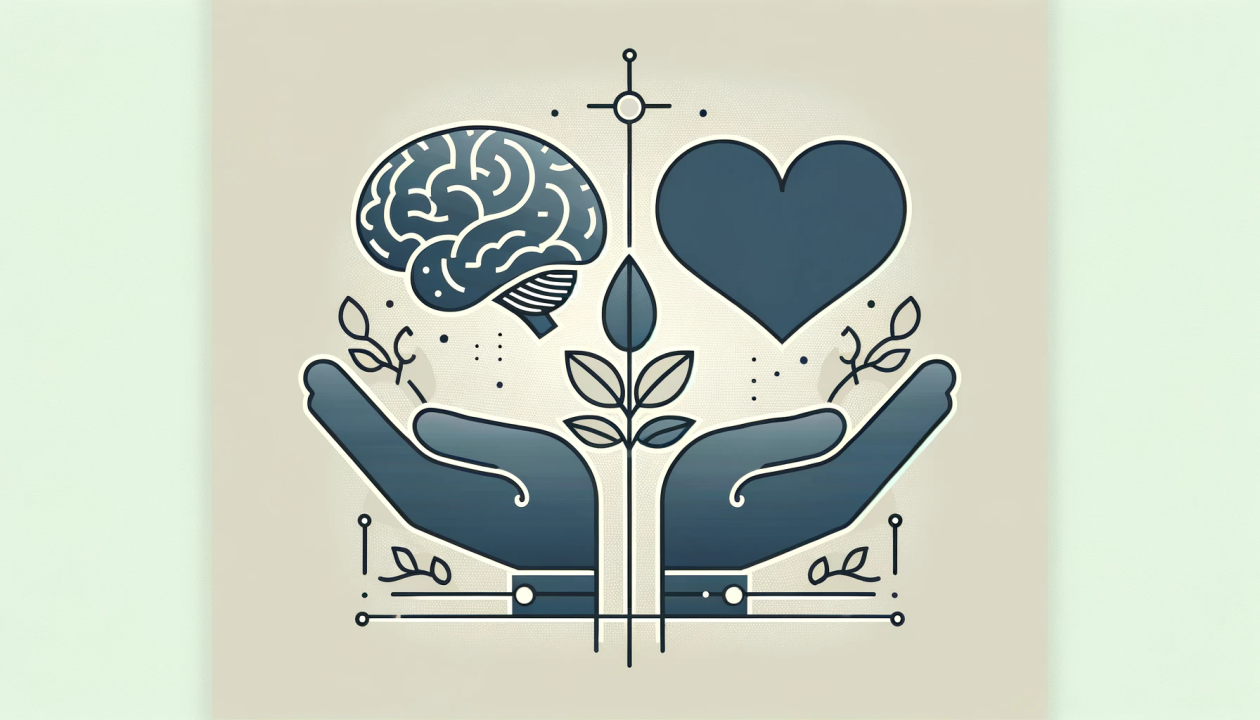
Emotional intelligence isn’t just a buzzword—it’s the cornerstone of personal growth, meaningful relationships, and professional success in today’s interconnected world.

The ability to recognize, understand, and manage our own emotions while empathizing with others has become increasingly crucial in navigating complex social dynamics, workplace challenges, and personal relationships. Unlike traditional intelligence measured by IQ tests, emotional intelligence (EQ) is a skill that can be developed and strengthened through consistent practice and intentional daily habits.
Research consistently shows that individuals with high emotional intelligence experience greater career advancement, stronger relationships, better mental health, and improved overall life satisfaction. The good news? You don’t need to overhaul your entire life to cultivate emotional intelligence. Small, deliberate daily habits can create profound transformation over time.
🧠 Understanding the Foundation of Emotional Intelligence
Before diving into daily practices, it’s essential to understand what emotional intelligence truly encompasses. Psychologist Daniel Goleman, who popularized the concept, identified five key components that form the foundation of EQ: self-awareness, self-regulation, motivation, empathy, and social skills.
Self-awareness involves recognizing your own emotions as they happen and understanding how they affect your thoughts and behavior. Self-regulation means managing your emotional reactions rather than being controlled by them. Intrinsic motivation drives you toward goals for personal fulfillment rather than external rewards. Empathy allows you to understand and share the feelings of others, while social skills enable you to navigate relationships effectively.
These five pillars work together synergistically, creating a robust framework for emotional growth. When you strengthen one area, the others naturally benefit, creating a positive feedback loop that accelerates your development.
Morning Mindfulness: Starting Your Day with Emotional Clarity ☀️
How you begin your morning sets the tone for your entire day. Instead of immediately reaching for your phone and flooding your mind with notifications, news, and social media, create a morning ritual that centers your emotional awareness.
Start with just five minutes of mindful breathing. Sit comfortably, close your eyes, and focus on your breath moving in and out. When thoughts arise—and they will—acknowledge them without judgment and gently return your attention to your breathing. This simple practice strengthens your ability to observe your mental and emotional state without being overwhelmed by it.
Following your breathing exercise, spend three minutes on a check-in with yourself. Ask: “How am I feeling right now?” Don’t settle for surface-level answers like “fine” or “okay.” Dig deeper. Are you anxious about an upcoming meeting? Excited about a project? Carrying tension from yesterday? Name these emotions specifically—research shows that labeling emotions reduces their intensity and gives you greater control.
Consider using a mood-tracking journal or app to record these morning observations. Over time, patterns emerge that reveal your emotional triggers, cycles, and tendencies, providing invaluable insights for personal growth.
The Power of the Emotional Pause Button ⏸️
One of the most transformative habits for developing emotional intelligence is mastering the pause—that brief moment between stimulus and response where conscious choice lives. This space is where emotional regulation happens.
Throughout your day, practice the “STOP” technique when you notice strong emotions arising:
- Stop what you’re doing physically
- Take three deep breaths
- Observe what you’re feeling and thinking
- Proceed with intention rather than reaction
This four-step process creates neural pathways that strengthen your prefrontal cortex—the part of your brain responsible for executive function and emotional regulation. Initially, you might only remember to use this technique after you’ve already reacted emotionally. That’s perfectly normal. With consistent practice, you’ll catch yourself earlier in the emotional sequence, eventually pausing before reacting at all.
The pause isn’t about suppressing emotions or pretending you don’t feel them. Instead, it’s about creating space to choose your response rather than defaulting to automatic patterns that may not serve you or others well.
Cultivating Empathy Through Active Listening 👂
Empathy is the bridge between personal emotional awareness and effective social connection. The most accessible daily practice for building empathy is becoming a genuinely active listener—which is far rarer than most people realize.
Most conversations involve two people waiting for their turn to speak rather than truly hearing each other. Active listening requires full presence. When someone is talking to you, resist the urge to formulate your response, relate their story to your own experience, or offer immediate solutions.
Instead, focus entirely on understanding their perspective. Notice their body language, tone of voice, and the emotions beneath their words. Ask clarifying questions that demonstrate genuine curiosity: “What was that like for you?” or “How did that make you feel?” Reflect back what you’ve heard to ensure understanding: “It sounds like you felt overlooked when that happened.”
This practice transforms relationships because people feel genuinely seen and heard—which is one of our deepest human needs. Additionally, it strengthens your ability to perspective-take, a crucial component of emotional intelligence that improves decision-making, conflict resolution, and collaborative work.
🎯 Building Self-Awareness Through Reflective Practices
Self-awareness doesn’t develop through casual introspection alone. It requires structured reflection that helps you recognize patterns in your emotional landscape. Establishing a daily reflection practice creates this structure.
Set aside ten minutes each evening to review your day through an emotional lens. Rather than simply recounting events, examine your internal experience. Consider these reflection prompts:
- What emotions did I experience most strongly today?
- What triggered these emotions?
- How did I respond to these feelings?
- What responses am I proud of?
- What would I handle differently given another chance?
- What did I learn about myself today?
Writing these reflections in a journal proves particularly powerful. The act of translating internal experiences into written words activates different cognitive processes that deepen self-understanding. Over weeks and months, your journal becomes a rich resource for identifying growth patterns and recurring challenges.
Additionally, consider the practice of naming your emotions with precision. Instead of settling for “angry,” distinguish between frustrated, irritated, resentful, or furious. Emotional granularity—the ability to make fine-grained distinctions between feelings—is strongly correlated with emotional regulation and mental health.
Managing Stress: The Daily Non-Negotiables 🧘
Emotional intelligence significantly diminishes under chronic stress. When your nervous system operates in constant fight-or-flight mode, the emotional centers of your brain dominate, making regulation and thoughtful response nearly impossible.
Integrating stress-management practices into your daily routine isn’t optional—it’s foundational. These don’t need to be time-consuming, but they must be consistent:
Movement: Physical activity regulates stress hormones and releases endorphins that stabilize mood. Even a 15-minute walk, some stretching, or dancing to your favorite song creates meaningful physiological change.
Boundary-setting: Protect your emotional energy by learning to say no to commitments that drain you without meaningful return. This isn’t selfishness—it’s self-preservation that allows you to show up fully where it matters most.
Digital detox periods: Establish phone-free times, particularly during meals, the first hour after waking, and the last hour before sleep. Constant connectivity keeps your nervous system activated and prevents the restoration necessary for emotional regulation.
Sleep hygiene: Nothing undermines emotional intelligence faster than sleep deprivation. Prioritize 7-9 hours of quality sleep by maintaining consistent sleep and wake times, creating a cool, dark sleeping environment, and establishing a calming bedtime routine.
Strengthening Social Connections Through Intentional Interaction 🤝
Emotional intelligence is fundamentally relational—it develops and expresses itself through connection with others. Yet modern life often reduces interaction to transactional exchanges rather than meaningful connection.
Make it a daily habit to engage in at least one conversation that goes beyond surface level. This might mean asking a colleague not just “how was your weekend?” but following up on something specific they mentioned previously. It could involve texting a friend not with casual pleasantries but with genuine inquiry about something important in their life.
Practice the art of vulnerability by sharing your own struggles and uncertainties rather than presenting a carefully curated image of having everything together. Authentic vulnerability creates psychological safety that deepens relationships and provides opportunities to practice both self-awareness and empathy.
Additionally, seek out diverse perspectives intentionally. Emotional intelligence grows when we encounter worldviews different from our own. Engage with people from different backgrounds, generations, industries, and belief systems. This diversity challenges assumptions, reveals blind spots, and expands your capacity for understanding complexity.
📊 Tracking Progress: Measuring Your Emotional Growth
What gets measured gets managed. Creating a simple system for tracking your emotional intelligence development helps maintain motivation and reveals progress that might otherwise go unnoticed.
Consider creating a weekly scorecard assessing key emotional intelligence behaviors:
| Skill Area | Daily Practice | Frequency Goal |
|---|---|---|
| Self-Awareness | Morning emotion check-in | 7/7 days |
| Self-Regulation | Using the STOP technique | When triggered |
| Empathy | Active listening in conversations | Daily |
| Social Skills | Meaningful connection with someone | Daily |
| Reflection | Evening emotional review | 5/7 days |
This tracking shouldn’t become another source of stress or self-criticism. The goal is awareness, not perfection. Some weeks you’ll excel; others you’ll struggle. Both provide valuable information about your patterns and circumstances that affect your emotional capacity.
Navigating Setbacks with Self-Compassion 💚
The journey of developing emotional intelligence inevitably includes moments when you react poorly, hurt someone’s feelings, or feel overwhelmed by emotions you thought you’d learned to manage. These moments aren’t failures—they’re essential learning opportunities.
Self-compassion is treating yourself with the same kindness you’d offer a close friend facing similar struggles. Research by Kristin Neff shows that self-compassion is more closely linked to emotional resilience and psychological well-being than self-esteem.
When you experience an emotional setback, practice these three elements of self-compassion: recognize that you’re experiencing difficulty (mindfulness), remember that struggle is part of the shared human experience (common humanity), and speak to yourself with kindness rather than harsh self-criticism (self-kindness).
Instead of berating yourself for losing your temper, acknowledge that you’re stressed and that all humans struggle with emotional regulation at times, then consider what you can learn from the experience. This approach creates psychological safety that actually accelerates growth rather than keeping you stuck in shame and avoidance.
Creating Environmental Supports for Emotional Success 🌱
Your environment significantly influences your emotional state and capacity for regulation. Intentionally designing your physical and social environment to support emotional intelligence makes sustainable growth much easier.
Physically, create spaces that promote calm and reflection. This might mean establishing a specific spot for your morning mindfulness practice, keeping your bedroom free of screens and work materials, or adding elements like plants, natural light, and calming colors to your primary living areas.
Socially, curate relationships that support your growth. Spend more time with emotionally intelligent people who model the behaviors you’re cultivating. Their influence naturally elevates your own emotional capacity through mirror neurons and social learning.
Limit exposure to relationships and media that consistently trigger dysregulation without serving a meaningful purpose. This isn’t about avoiding all discomfort—growth requires challenge—but about distinguishing between productive discomfort that promotes growth and toxic stress that depletes your resources.
Integrating Emotional Intelligence into Professional Life 💼
The workplace provides rich opportunities for practicing emotional intelligence skills. Leaders with high EQ create more engaged teams, navigate organizational politics more effectively, and make better decisions under pressure.
Before important meetings or difficult conversations, take two minutes to center yourself emotionally. Clarify your intention for the interaction, acknowledge any anxiety or frustration you’re feeling, and commit to responding rather than reacting.
During workplace conflicts, practice emotional labeling not just for yourself but for others involved. “I’m sensing some frustration about this timeline” or “It seems like this decision feels rushed” demonstrates emotional perceptiveness that de-escalates tension and opens space for productive dialogue.
Seek feedback specifically about your emotional impact on others. Ask trusted colleagues: “How do I come across when I’m under pressure?” or “What’s it like to be on the receiving end of feedback from me?” This information reveals blind spots and provides specific targets for development.
The Compound Effect of Small Emotional Investments ⚡
Developing emotional intelligence isn’t about dramatic transformation or perfect execution. It’s about small, consistent investments that compound over time into substantial growth. Five minutes of morning mindfulness might seem insignificant on any given day, but practiced over a year, it represents over 30 hours of training your emotional awareness.
The key is sustainability. Choose daily habits that feel manageable within your current life circumstances. As these become established, gradually add new practices. This incremental approach prevents overwhelm and creates lasting change rather than temporary bursts of effort followed by abandonment.
Remember that emotional intelligence develops in spirals, not straight lines. You’ll revisit similar challenges at deeper levels as you grow. A situation that once triggered intense reactivity might still create discomfort, but you’ll notice it sooner, regulate more effectively, and recover more quickly.
Your Emotional Intelligence Journey Starts Now 🚀
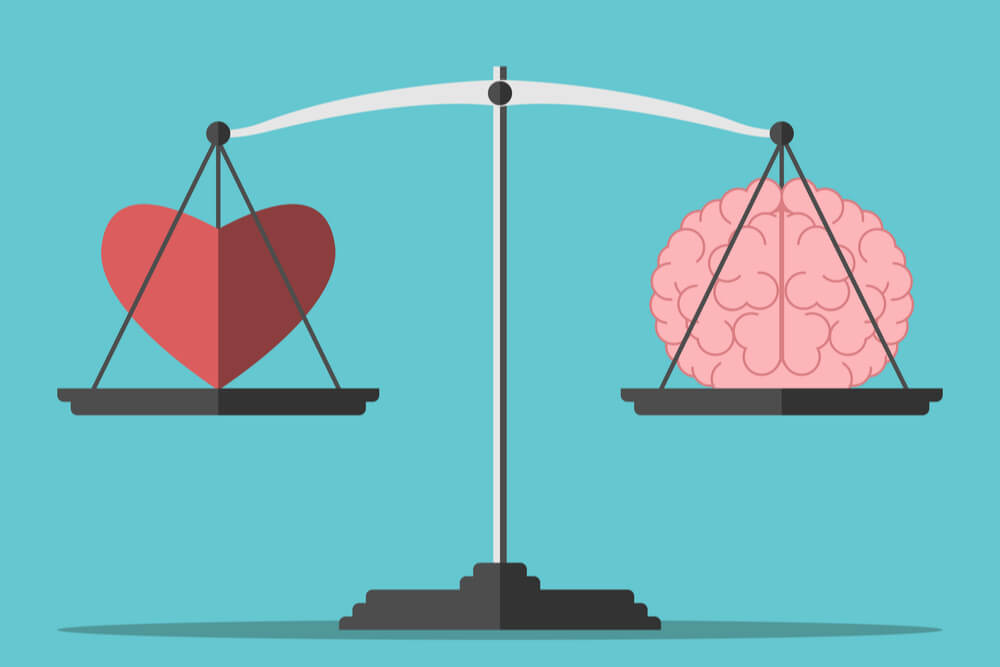
Emotional intelligence represents one of the most valuable investments you can make in yourself. It influences virtually every aspect of life—from career success and relationship satisfaction to mental health and overall well-being. Unlike many factors that affect success, EQ is entirely within your control to develop.
The habits outlined here provide a comprehensive framework for growth, but you don’t need to implement everything simultaneously. Choose one or two practices that resonate most strongly and commit to them for 30 days. As these become automatic, add additional habits gradually.
The beautiful paradox of emotional intelligence is that the more you develop it, the more you realize how much further you can grow. This isn’t discouraging—it’s exciting. It means there’s always another level of understanding, connection, and effectiveness available to you.
Your emotional intelligence journey is uniquely yours. The specific practices that transform your EQ might differ from what works for others. Stay curious, remain patient with yourself, and trust that consistent small actions create remarkable results over time. The person you become through cultivating emotional intelligence—more self-aware, regulated, empathetic, and socially skilled—will positively impact every relationship and endeavor you pursue.
Start today with one simple practice. Notice your emotions this morning without judgment. Pause before reacting to the next triggering situation. Listen to someone with your full attention. These small moments are where transformation begins, one emotionally intelligent choice at a time.