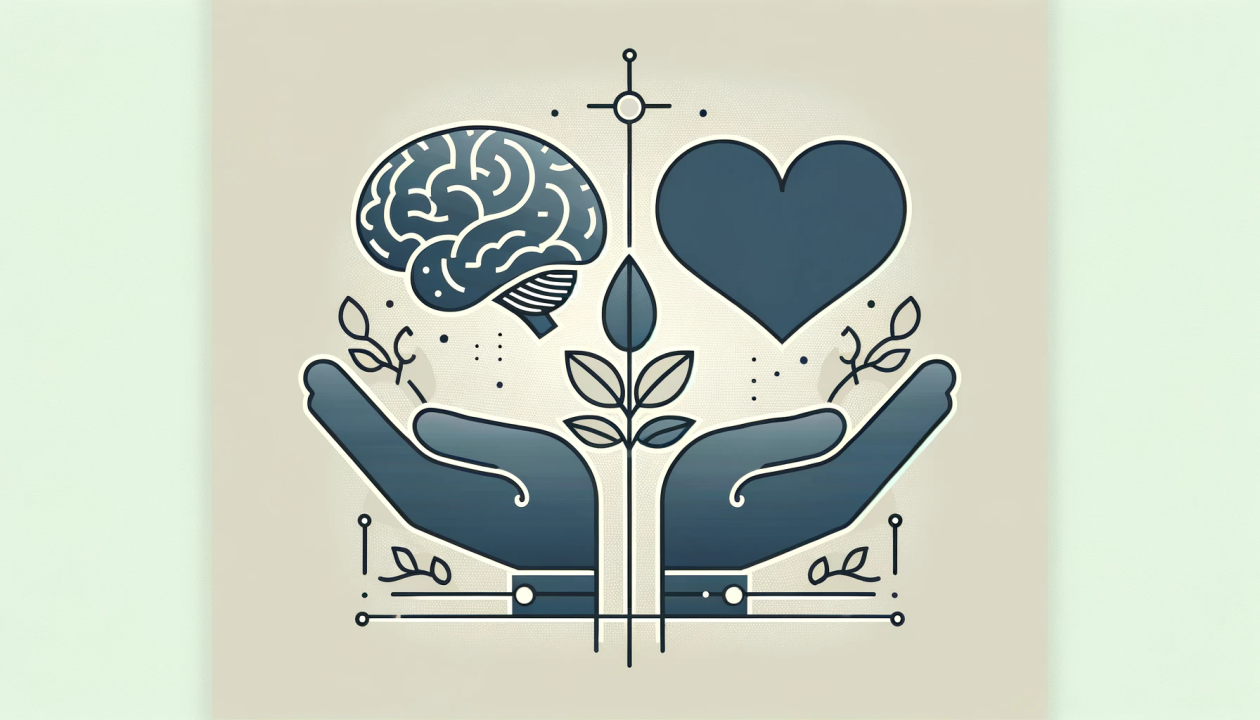
In a world filled with constant noise and endless distractions, the simple act of breathing mindfully offers a powerful pathway to inner peace, mental clarity, and emotional balance.

Our breath is always with us, yet we rarely pay attention to it. We breathe approximately 20,000 times each day without giving it a second thought. However, when we consciously harness the power of our breath through mindful breathing practices, we unlock a remarkable tool for managing stress, enhancing focus, and cultivating a deeper sense of well-being. This ancient practice, rooted in meditation traditions spanning thousands of years, has now been validated by modern neuroscience as one of the most effective techniques for regulating our nervous system and promoting mental health.
Mindful breathing is more than just taking deep breaths—it’s about developing awareness of the breath as it flows in and out of your body, observing its natural rhythm, and using this awareness as an anchor to the present moment. Whether you’re dealing with workplace anxiety, struggling with racing thoughts at night, or simply seeking greater clarity in your daily life, mindful breathing can serve as your personal reset button, available anywhere, anytime.
🧘 Understanding the Science Behind Mindful Breathing
The connection between breath and mind isn’t just philosophical—it’s deeply rooted in our physiology. When we engage in mindful breathing, we directly influence our autonomic nervous system, which controls our body’s automatic functions including heart rate, digestion, and stress response.
Our nervous system has two primary branches: the sympathetic nervous system (responsible for our “fight or flight” response) and the parasympathetic nervous system (responsible for “rest and digest” activities). When we’re stressed, anxious, or overwhelmed, our sympathetic nervous system dominates, leading to shallow, rapid breathing, increased heart rate, and heightened alertness. Mindful breathing activates the parasympathetic nervous system, triggering a relaxation response that counteracts stress.
Research conducted at Harvard Medical School has shown that regular mindful breathing practice can actually change the expression of genes related to inflammation, circadian rhythms, and glucose metabolism. A study published in the journal Frontiers in Human Neuroscience found that just eight weeks of daily breathing meditation resulted in measurable changes in brain regions associated with memory, sense of self, empathy, and stress regulation.
The Vagus Nerve Connection
At the heart of mindful breathing’s effectiveness is the vagus nerve, the longest nerve in your body that runs from your brainstem through your neck and down to your abdomen. This nerve is the main highway of the parasympathetic nervous system. When you breathe slowly and deeply, especially with longer exhalations, you stimulate the vagus nerve, which sends calming signals throughout your body. This stimulation reduces inflammation, lowers blood pressure, and promotes a sense of calm and well-being.
💨 Essential Mindful Breathing Techniques for Beginners
Starting a mindful breathing practice doesn’t require any special equipment, training, or even much time. Here are several foundational techniques that anyone can begin practicing today:
Basic Awareness Breathing
This is the simplest form of mindful breathing and an excellent starting point for beginners. Simply sit or lie in a comfortable position, close your eyes if you wish, and bring your attention to the natural flow of your breath. Notice the sensation of air entering through your nostrils, filling your lungs, and leaving your body. When your mind wanders—and it will—gently return your focus to the breath without judgment. Practice this for just five minutes daily to establish a foundation.
4-7-8 Breathing Technique
Developed by Dr. Andrew Weil, this technique is particularly effective for reducing anxiety and promoting sleep. Breathe in through your nose for a count of four, hold your breath for a count of seven, and exhale completely through your mouth for a count of eight. The extended exhalation activates your relaxation response. Repeat this cycle four times, and practice twice daily for best results.
Box Breathing (Square Breathing)
Used by Navy SEALs to maintain calm in high-stress situations, box breathing involves four equal parts: inhale for four counts, hold for four counts, exhale for four counts, and hold again for four counts. Visualize tracing the sides of a square as you breathe. This technique is excellent for improving focus and managing acute stress situations.
Diaphragmatic Breathing (Belly Breathing)
Place one hand on your chest and another on your belly. Breathe deeply so that your belly rises while your chest remains relatively still. This ensures you’re using your diaphragm fully rather than taking shallow chest breaths. Diaphragmatic breathing increases oxygen exchange and reduces the work of breathing, making it especially beneficial for those with respiratory conditions or chronic stress.
🌟 Integrating Mindful Breathing into Daily Life
The true power of mindful breathing emerges when it becomes woven into the fabric of your daily routine rather than existing as an isolated practice. Here are practical ways to incorporate breath awareness throughout your day:
Morning Ritual
Before reaching for your phone or jumping out of bed, spend three minutes practicing basic awareness breathing. This sets a calm, intentional tone for your entire day and helps you start from a centered place rather than immediately reacting to external demands.
Transition Breathing
Use brief breathing exercises as transition markers between activities. Before starting a meeting, take three deep breaths. After completing a task, pause for mindful breathing before moving to the next. These micro-practices create mental space and prevent the buildup of stress throughout the day.
Commute Meditation
Whether you’re driving, on public transportation, or walking, your commute offers an excellent opportunity for breath awareness. If driving, practice keeping partial attention on your breath while maintaining full awareness of the road. On public transit, use the journey as dedicated practice time. Even a ten-minute commute becomes valuable meditation time.
Stress Response Intervention
When you notice stress building—tight shoulders, racing thoughts, tension in your jaw—immediately shift to mindful breathing. Three minutes of focused breathing can interrupt the stress cycle before it escalates. Keep a reminder on your phone or computer to check in with your breath every hour.
🧠 The Mental Clarity Benefits of Regular Practice
Beyond stress reduction, mindful breathing offers profound benefits for cognitive function and mental clarity. When we’re stressed or overwhelmed, our thinking becomes scattered, decision-making suffers, and creativity diminishes. Regular breathing practice creates the mental space necessary for clear thinking and improved cognitive performance.
Enhanced Focus and Concentration
Studies show that mindful breathing practice strengthens attention networks in the brain. By repeatedly bringing wandering attention back to the breath, you’re essentially doing “mental push-ups” that build your capacity to sustain focus. Research from the University of California found that participants who practiced mindfulness meditation (centered on breath awareness) showed improved reading comprehension and working memory capacity after just two weeks.
Emotional Regulation
Mindful breathing creates a pause between stimulus and response, giving you the space to choose how you react rather than automatically responding from emotion. This space is where emotional intelligence lives. By regularly practicing breath awareness, you develop the capacity to observe your emotions without being overwhelmed by them, leading to more balanced responses in challenging situations.
Improved Decision Making
When your nervous system is calm and your mind is clear, you make better decisions. Mindful breathing reduces the cognitive noise that clouds judgment and allows you to access deeper wisdom and intuition. Many successful entrepreneurs and executives incorporate breathing practices specifically to enhance their strategic thinking and decision-making capabilities.
⚡ Overcoming Common Challenges in Breath Practice
Like any skill worth developing, mindful breathing comes with challenges, especially for beginners. Understanding these obstacles and how to work with them makes the difference between abandoning the practice and establishing it as a lifelong resource.
“I Don’t Have Time”
This is the most common obstacle, yet mindful breathing requires less time than almost any other self-care practice. Start with just two minutes daily—everyone can find two minutes. Often, the resistance to “finding time” is actually resistance to sitting with ourselves. Remember that this practice ultimately saves time by increasing efficiency and reducing stress-related problems.
“My Mind Won’t Stop Racing”
A racing mind isn’t a problem to be fixed—it’s the starting point. The practice isn’t about stopping thoughts but about changing your relationship with them. Each time you notice your mind has wandered and gently return to the breath, you’re succeeding at the practice. The wandering isn’t failure; it’s the opportunity to strengthen awareness.
“I’m Not Doing It Right”
There’s no perfect way to breathe mindfully. If you’re paying attention to your breath, you’re doing it right. Release expectations of achieving a completely quiet mind or feeling a certain way. The practice is simply about showing up and noticing, whatever arises.
“I Feel More Anxious When I Focus on My Breath”
Some people initially experience increased anxiety when turning attention inward. If this happens, try keeping your eyes open with a soft gaze, or focus on external sounds rather than breath. You can also try breathing while engaging in gentle movement like walking. Gradually, as you build tolerance for internal awareness, breath-focused practice becomes easier.
🌈 Advanced Practices for Deepening Your Experience
Once you’ve established a basic practice, these advanced techniques can deepen your experience and expand the benefits:
Breath Counting Meditation
Count each breath cycle from one to ten, then begin again at one. If you lose count, return to one without judgment. This practice develops sustained attention and reveals patterns in how your mind works. Over time, you’ll notice improvements in your ability to maintain focus.
Alternate Nostril Breathing (Nadi Shodhana)
This yogic breathing technique balances the left and right hemispheres of the brain. Using your right hand, close your right nostril with your thumb and inhale through the left nostril. Close the left nostril with your ring finger, release the right nostril, and exhale through the right. Inhale through the right, then switch and exhale through the left. Continue alternating for five to ten minutes.
Breath and Body Scan Combination
Combine mindful breathing with progressive body awareness. As you breathe, systematically move attention through different body parts, noticing sensations without trying to change them. This practice deepens body-mind connection and releases stored tension.
📊 Tracking Progress and Measuring Benefits
While mindful breathing isn’t about achieving specific goals, noticing changes can motivate continued practice. Consider tracking these indicators:
- Resting heart rate: Regular practice often leads to a lower resting heart rate over time
- Sleep quality: Many practitioners report falling asleep faster and sleeping more deeply
- Stress recovery time: Notice how quickly you bounce back from stressful events
- Emotional reactivity: Track whether you respond or react in challenging situations
- Concentration span: Monitor improvements in your ability to sustain focus on tasks
- Overall well-being: Use a simple 1-10 scale to rate your general sense of well-being weekly
🌸 Creating Your Personal Breathing Practice Plan
Success with mindful breathing comes from consistency rather than duration. Here’s a framework for building a sustainable practice:
Week 1-2: Commit to just two minutes of basic awareness breathing each morning. Focus only on establishing the habit, not on perfect execution.
Week 3-4: Increase to five minutes daily and add one additional practice during a natural transition in your day (after lunch, before dinner, etc.).
Week 5-8: Expand to ten minutes of morning practice and continue your brief transition practices. Experiment with different techniques to find what resonates with you.
Beyond two months: By now, the practice should feel natural. Continue with whatever duration feels sustainable, knowing that even brief daily practice provides significant benefits.
💫 The Ripple Effect: How Your Practice Benefits Others
One of the beautiful aspects of mindful breathing is that your personal practice creates positive ripple effects in your relationships and communities. When you’re calmer, more present, and emotionally balanced, everyone around you benefits. Your regulated nervous system actually helps regulate the nervous systems of those near you through a phenomenon called co-regulation.
Parents who practice mindful breathing model emotional regulation for their children. Leaders who maintain breath awareness create calmer, more productive work environments. Partners who pause to breathe during conflicts resolve disagreements more constructively. Your practice is never just for you—it’s a gift to everyone you encounter.

🎯 Your Next Breath: Moving Forward with Intention
The journey of mindful breathing is both simple and profound. You already possess everything you need to begin—your breath is always available, always offering an opportunity to return to the present moment, to calm, to clarity. What matters isn’t achieving perfection but simply beginning, and then beginning again, breath by breath, moment by moment.
The most transformative aspect of this practice is its accessibility. Whether you have two minutes or twenty, whether you’re sitting in meditation or standing in line at the grocery store, your breath is your constant companion and most reliable tool for navigating life’s challenges with greater ease and awareness.
Start today. Start now, with this very next breath. Notice the air moving in and out of your body. Feel the subtle pause between the inhale and exhale. In this simple awareness lies the seed of profound transformation. Breathe easy, knowing that with each mindful breath, you’re cultivating calm, clarity, and a deeper connection to the present moment—the only moment where life actually happens.
Your practice doesn’t need to be perfect, lengthy, or complicated. It just needs to be yours, happening one breath at a time, creating space for the calm and clarity that have always been available within you, waiting to be discovered through the simple, powerful act of breathing mindfully.