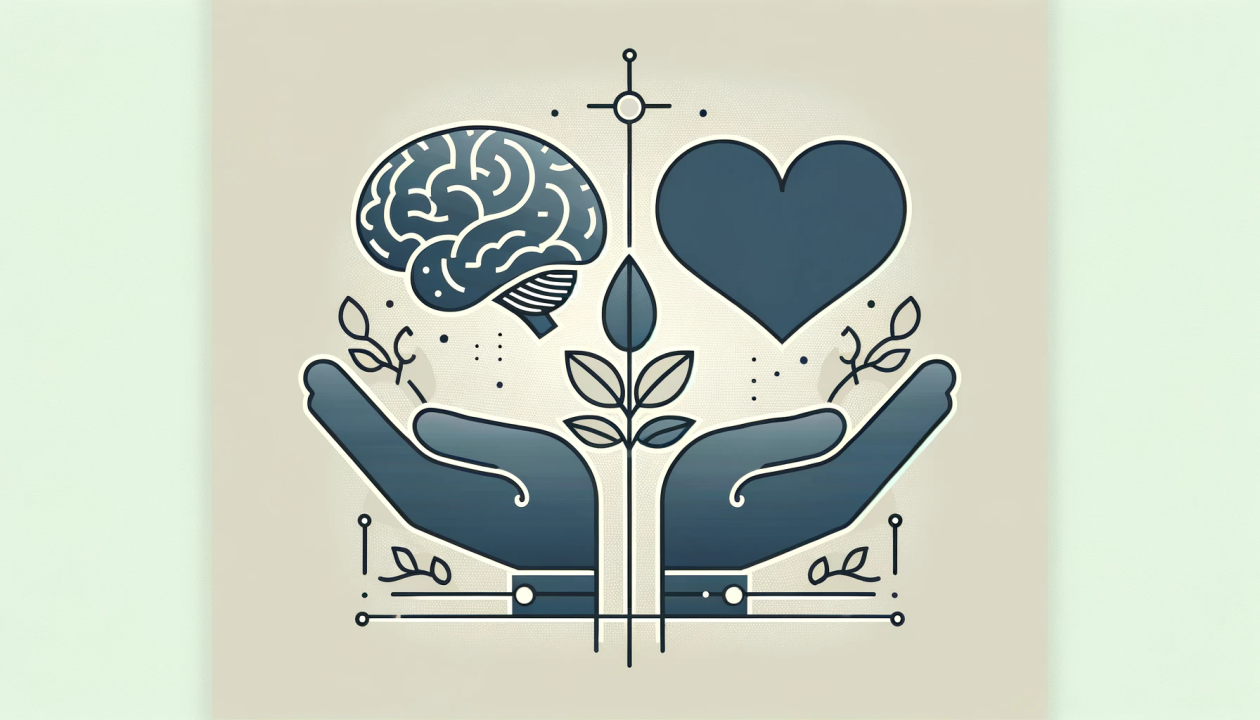
Your thoughts shape your reality, and breaking free from negative patterns is the first step toward creating a life filled with purpose, joy, and genuine fulfillment.

🧠 Understanding the Architecture of Negative Thinking
Negative thought patterns don’t develop overnight. They’re constructed brick by brick through repeated experiences, learned behaviors, and environmental conditioning. These mental frameworks become so deeply ingrained that they operate automatically, coloring our perception of reality without us even realizing it.
The human brain has a natural negativity bias—an evolutionary mechanism designed to keep our ancestors safe from threats. While this served us well when avoiding predators, in modern life, this same mechanism can trap us in cycles of worry, self-doubt, and catastrophic thinking. Recognizing this fundamental truth is liberating: your negative thoughts aren’t a character flaw; they’re simply outdated survival mechanisms running on autopilot.
Research in cognitive neuroscience shows that our brains form neural pathways based on repeated thought patterns. Every time you entertain a negative thought, you strengthen that particular neural connection. Conversely, every positive thought creates and reinforces healthier pathways. This neuroplasticity means your brain can literally be rewired, regardless of your age or history.
🔍 Identifying Your Personal Negative Loops
Before you can break free, you must first recognize your specific patterns. Negative thinking manifests differently for everyone, but common categories include catastrophizing, black-and-white thinking, personalization, mental filtering, and mind-reading.
Catastrophizing involves jumping to worst-case scenarios. You make a small mistake at work and immediately envision being fired, losing your home, and ending up destitute. Black-and-white thinking eliminates the nuanced middle ground—everything is either perfect or disastrous, with no spectrum in between.
Personalization makes you the center of every negative outcome, even when you played no significant role. When your friend seems distant, you immediately assume you’ve done something wrong, never considering they might simply be having a difficult day unrelated to you.
Mental filtering focuses exclusively on negative aspects while dismissing positive ones. You receive ten compliments and one criticism, yet only the criticism occupies your thoughts for days. Mind-reading occurs when you assume you know what others think about you—and it’s rarely flattering.
The Daily Thought Audit 📝
Start tracking your thoughts for one week without judgment. When negative thoughts arise, simply note them. What triggers them? What time of day are they most prevalent? What situations amplify them? This awareness creates psychological distance between you and your thoughts, transforming you from passive victim to active observer.
Many people discover patterns they never consciously recognized—perhaps negative thinking intensifies during evening hours, after social media scrolling, or following interactions with specific individuals. These insights become your roadmap for targeted intervention.
🛠️ Practical Strategies for Breaking the Cycle
Understanding your patterns is powerful, but transformation requires action. The following evidence-based techniques have helped millions rewrite their mental narratives and cultivate lasting positivity.
Cognitive Restructuring: Challenging Your Inner Critic
When a negative thought emerges, don’t accept it as truth. Instead, interrogate it like a detective examining evidence. Ask yourself: What concrete evidence supports this thought? What evidence contradicts it? Am I confusing a thought with a fact? What would I tell a friend thinking this way?
For example, if you think “I’m terrible at everything,” challenge it. Are you really terrible at absolutely everything? Can you identify even one thing you do adequately? This isn’t about toxic positivity or denying genuine problems—it’s about accuracy and fairness in self-assessment.
The 5-Minute Morning Mind Reset ☀️
How you begin your day often determines its trajectory. Before checking your phone, spend five minutes setting your mental tone. This might include gratitude practice, positive affirmations, visualization of your ideal day, or simply deep breathing with intention.
Your brain is most programmable immediately upon waking. Rather than flooding it with news alerts, emails, and social media comparisons, consciously choose uplifting and empowering inputs. This simple shift can dramatically alter your baseline mood and resilience throughout the day.
Mindfulness Meditation: Creating Space Between Stimulus and Response
Mindfulness isn’t about eliminating negative thoughts—it’s about changing your relationship with them. Through regular practice, you learn to observe thoughts without automatically believing or acting on them. They become clouds passing through the sky of your awareness rather than the weather itself.
Start with just five minutes daily. Sit comfortably, focus on your breath, and when thoughts arise (they will), simply notice them without judgment and return attention to breathing. Apps like Headspace and Calm offer guided sessions for beginners.
Physical Movement: The Body-Mind Connection 🏃
Exercise isn’t just for physical health—it’s one of the most powerful interventions for mental wellbeing. Physical activity releases endorphins, reduces cortisol, increases BDNF (brain-derived neurotrophic factor), and provides concrete evidence of your capability and strength.
You don’t need intense workouts. A 20-minute walk in nature, gentle yoga, or dancing to your favorite songs can shift your neurochemistry and interrupt negative thought spirals. The key is consistency rather than intensity.
🌱 Cultivating Sustainable Positivity
Breaking free from negative patterns is the first phase. Building enduring positivity requires intentional cultivation—creating an internal and external environment that naturally generates uplifting thoughts and emotions.
The Gratitude Foundation
Gratitude isn’t just a nice sentiment; it’s a neurological game-changer. Regular gratitude practice literally rewires your brain’s reticular activating system, training it to notice positive aspects of life that previously went unrecognized.
Keep a gratitude journal and write three specific things you’re grateful for each evening. The specificity matters—not just “my family” but “the way my daughter laughed when we shared that silly joke today.” This trains your brain to actively seek positive experiences throughout the day.
Strategic Social Environment Design 👥
You become like the people you spend the most time with. Evaluate your social circle honestly. Do these relationships energize or deplete you? Do they support your growth or keep you stuck in old patterns?
This doesn’t mean abandoning everyone who’s struggling, but it does mean consciously limiting time with chronically negative people while increasing connection with those who inspire, challenge, and uplift you. Your mental health deserves protective boundaries.
Content Consumption Audit 📱
What you consume mentally matters as much as what you consume physically. The average person spends hours daily absorbing content—news, social media, videos, podcasts. Is this content nourishing your mind or poisoning it?
Consider a digital detox or strategic reduction. Unfollow accounts that trigger comparison or negativity. Curate your feeds intentionally. Replace doom-scrolling with reading that expands your perspective or listening to uplifting podcasts. Every input shapes your internal landscape.
💪 Building Resilience for Inevitable Challenges
Embracing positivity doesn’t mean negative thoughts will never return. Life includes genuine difficulties, losses, and disappointments. The goal isn’t perpetual happiness but resilient mental flexibility—the ability to experience negative emotions without being consumed by them.
Self-Compassion Over Self-Criticism
When setbacks occur, your self-talk makes all the difference. Self-compassion—treating yourself with the same kindness you’d offer a good friend—has been shown to increase motivation, reduce anxiety, and improve long-term outcomes far more effectively than harsh self-criticism.
Notice when you’re being self-critical. Place a hand on your heart and speak to yourself kindly: “This is really difficult right now. I’m doing my best. I’m not alone in struggling with this.” This simple practice activates your mammalian caregiving system, flooding your body with oxytocin and reducing stress hormones.
The Power of “Yet” 🌟
Growth mindset research reveals the transformative power of one small word. “I can’t do this” becomes “I can’t do this yet.” This single addition opens possibility, acknowledges learning curves, and removes the finality from temporary limitations.
Apply this to all areas where you feel stuck. You haven’t found your purpose yet. You haven’t mastered that skill yet. You haven’t created the life you want yet. The implication is clear: with time, effort, and appropriate strategies, you will.
🎯 Creating Your Personal Action Plan
Knowledge without implementation changes nothing. Transform these insights into concrete practices tailored to your life, schedule, and specific challenges.
Start small—attempting to overhaul everything simultaneously typically leads to overwhelm and abandonment. Choose one or two practices that resonate most and commit to them for 30 days. Once they become habitual, add another layer.
- Morning: 5-minute mindful breathing or gratitude practice
- Throughout day: Notice and challenge one negative thought pattern
- Afternoon: 20-minute walk or movement break
- Evening: Journal three specific positive moments
- Weekly: Evaluate social interactions and content consumption
Track your progress without perfectionism. Some days will feel easier than others. What matters is overall direction, not daily perfection. You’re rewiring neural pathways that have existed for years or decades—be patient with the process.
🔮 Envisioning Your Brighter Future
As negative patterns loosen their grip and positive practices take root, you’ll notice subtle then significant shifts. Challenges won’t disappear, but your response to them will transform. You’ll experience greater emotional stability, improved relationships, enhanced creativity, and a fundamental sense that life is happening for you rather than to you.
Your thoughts will never be perfectly positive—that’s not the goal or even desirable. Complete positivity would eliminate necessary caution and discernment. Instead, you’re cultivating balanced thinking—acknowledging difficulties while maintaining hope, recognizing limitations while believing in growth, feeling pain without drowning in it.
This balanced perspective allows you to engage fully with life’s richness—the joy and the sorrow, the triumphs and the setbacks—without being devastated by inevitable difficulties. You become psychologically flexible, resilient, and genuinely optimistic about your capacity to navigate whatever comes.

🚀 Your Journey Begins Now
Breaking free from negative thought patterns and embracing positivity isn’t a destination but a continuous practice. Some days will feel like monumental progress; others will feel like you’re back at square one. This is normal, expected, and part of the process.
What matters is your commitment to the journey itself—to consistently choosing awareness over automaticity, compassion over criticism, growth over stagnation. Every time you challenge a negative thought, practice gratitude, move your body, or treat yourself kindly, you’re literally reshaping your brain and creating new possibilities.
The future you envision—filled with purpose, connection, resilience, and genuine joy—isn’t a fantasy reserved for others. It’s available to you right now through the daily choices you make about where to direct your attention and how to interpret your experiences.
Your mind is incredibly powerful, and you possess everything needed to unlock its potential. The negative patterns that once seemed immovable are simply habits—and habits can be changed. Start today, start small, and trust the process. Your brighter future is being created one thought, one choice, one moment at a time. 🌈