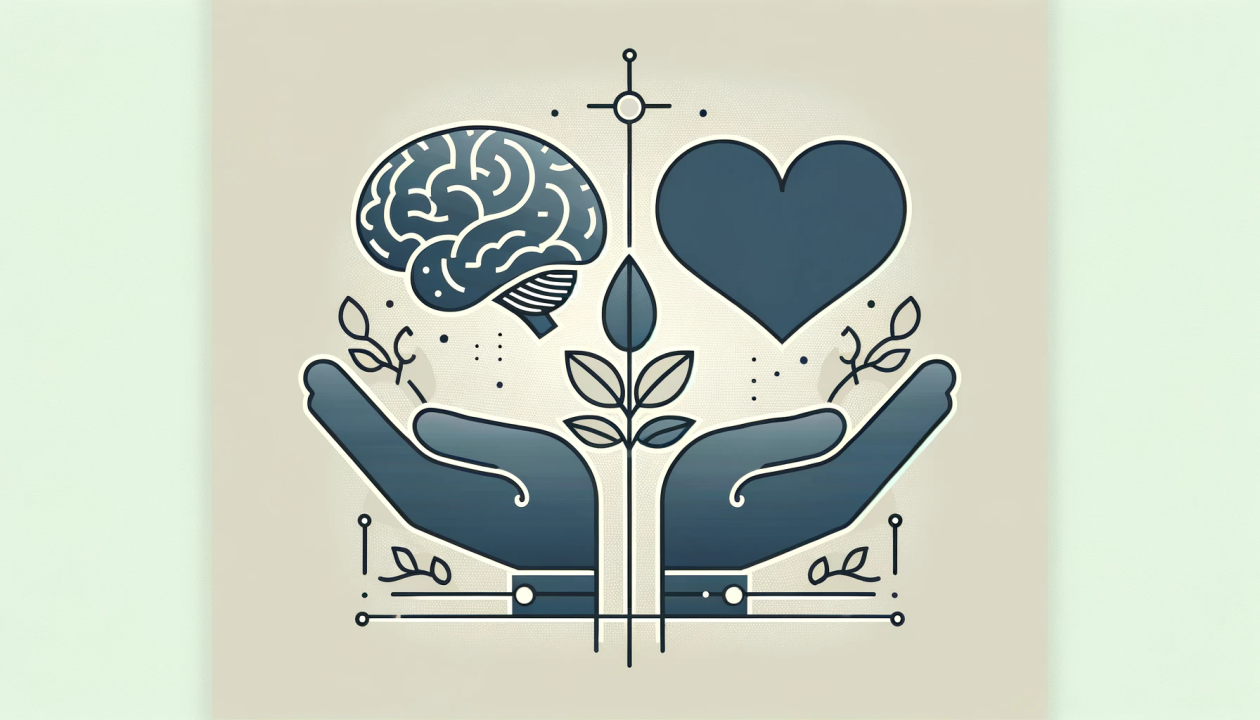
Mindfulness and emotional therapy are converging to create a revolutionary approach to mental health that addresses the root causes of suffering while fostering genuine, lasting transformation.

In our fast-paced world where emotional distress, anxiety, and depression have reached epidemic proportions, traditional therapeutic approaches alone often fall short of providing the deep, sustainable healing many people seek. The integration of mindfulness practices into emotional therapy represents a paradigm shift—one that acknowledges the interconnectedness of mind, body, and spirit in the healing journey.
This fusion creates what we might call “mindful healing,” a comprehensive approach that doesn’t just treat symptoms but fundamentally transforms how individuals relate to their thoughts, emotions, and experiences. By cultivating present-moment awareness alongside evidence-based therapeutic techniques, people discover unprecedented capacity for self-regulation, emotional resilience, and authentic well-being.
🧠 Understanding the Foundation: What Makes Mindfulness a Therapeutic Powerhouse
Mindfulness, at its core, is the practice of paying attention to the present moment with openness, curiosity, and non-judgment. When integrated into emotional therapy, it becomes far more than a relaxation technique—it transforms into a powerful tool for rewiring neural pathways and changing our relationship with difficult emotions.
Research in neuroscience has revealed that mindfulness practice literally changes the brain’s structure and function. Studies using fMRI technology show increased activity in the prefrontal cortex (associated with executive function and emotional regulation) and decreased activity in the amygdala (the brain’s fear center) among regular mindfulness practitioners.
This neuroplasticity—the brain’s ability to reorganize itself—is the biological foundation that makes lasting transformation possible. Unlike approaches that simply suppress symptoms, mindfulness-integrated therapy creates new neural patterns that support healthier emotional responses over time.
The Three Pillars of Mindful Emotional Healing
Effective integration of mindfulness into emotional therapy rests on three fundamental pillars:
- Present-Moment Awareness: Learning to anchor attention in the here and now rather than ruminating about the past or worrying about the future
- Non-Judgmental Observation: Developing the capacity to witness thoughts and emotions without labeling them as good or bad, right or wrong
- Compassionate Acceptance: Cultivating kindness toward oneself and one’s experience, even when that experience is painful or uncomfortable
These pillars work synergistically to create a therapeutic environment where genuine healing becomes possible. Rather than fighting against difficult emotions or trying to force them away, clients learn to relate to them differently—with curiosity, understanding, and self-compassion.
💫 The Transformation Process: How Mindfulness Rewrites Emotional Patterns
Emotional patterns are typically established early in life, often as protective mechanisms in response to challenging circumstances. While these patterns may have served us at one time, they frequently become maladaptive in adulthood, creating suffering and limiting our potential for connection and fulfillment.
Mindfulness-integrated therapy works by creating space between stimulus and response. This “sacred pause” is where transformation happens. Instead of automatically reacting according to old patterns, individuals develop the capacity to observe what’s arising, recognize the pattern, and choose a different response.
This process unfolds in stages. Initially, clients often become aware of their patterns only after they’ve already reacted. With continued practice, awareness arrives during the reaction, and eventually, it emerges before the habitual response kicks in. This is when true freedom and choice become possible.
The Role of Somatic Awareness in Emotional Processing
One of mindfulness’s most powerful contributions to emotional therapy is its emphasis on somatic (body-based) awareness. Emotions aren’t just mental phenomena—they manifest as physical sensations in the body. Tightness in the chest, butterflies in the stomach, tension in the shoulders—these bodily experiences are integral to our emotional lives.
Traditional talk therapy often stays primarily in the cognitive realm. Mindfulness brings awareness to the body, allowing clients to process emotions at a deeper, more visceral level. This somatic approach is particularly effective for trauma resolution, as traumatic memories are often stored in the body rather than in conscious narrative memory.
🌱 Evidence-Based Applications: Where Mindfulness Meets Clinical Practice
The integration of mindfulness into emotional therapy isn’t just theoretical—it’s backed by robust research and has been formalized in several evidence-based treatment modalities.
Mindfulness-Based Cognitive Therapy (MBCT) combines traditional cognitive behavioral therapy techniques with mindfulness practices. Originally developed to prevent depression relapse, MBCT has demonstrated remarkable efficacy, reducing relapse rates by approximately 50% in individuals with recurrent depression.
Dialectical Behavior Therapy (DBT), developed by Marsha Linehan, incorporates mindfulness as one of its core skill modules. DBT has become the gold standard treatment for borderline personality disorder and has shown effectiveness for emotion dysregulation across various conditions.
Acceptance and Commitment Therapy (ACT) uses mindfulness and acceptance strategies alongside commitment and behavior-change strategies. Rather than focusing on symptom reduction, ACT emphasizes psychological flexibility—the ability to stay present with experience while taking action guided by personal values.
Clinical Outcomes Across Diagnostic Categories
Research has documented the effectiveness of mindfulness-integrated therapy across a wide range of mental health conditions:
- Anxiety Disorders: Significant reductions in symptoms of generalized anxiety, social anxiety, and panic disorder
- Depression: Comparable efficacy to antidepressant medication for preventing relapse in recurrent depression
- PTSD and Trauma: Improved emotion regulation, decreased intrusive thoughts, and reduced hyperarousal
- Substance Use Disorders: Enhanced capacity to tolerate cravings without acting on them, supporting long-term recovery
- Chronic Pain: Improved quality of life and reduced pain-related distress, even when pain levels remain unchanged
🎯 Practical Integration: Bringing Mindfulness into Your Therapeutic Journey
For individuals seeking to incorporate mindfulness into their emotional healing work, the path forward involves both formal practice and informal integration into daily life.
Formal mindfulness practice typically includes dedicated time for meditation, whether focused on the breath, body sensations, sounds, or open awareness. These practices strengthen attention and awareness muscles, much like physical exercise strengthens the body. Starting with just 5-10 minutes daily can yield significant benefits over time.
Informal mindfulness involves bringing present-moment awareness to everyday activities—eating, walking, washing dishes, or having conversations. This integration helps bridge the gap between meditation cushion and real life, ensuring that mindfulness becomes a way of being rather than just another task on the to-do list.
Working with Difficult Emotions: The RAIN Technique
One particularly effective mindfulness tool for emotional processing is the RAIN technique, which provides a structured approach to working with challenging emotional states:
- Recognize: Acknowledge what’s happening in your experience without trying to change it
- Allow: Let the experience be there, even if it’s uncomfortable, without pushing it away
- Investigate: Bring curious attention to the emotions and sensations, asking “What does this feel like in my body?”
- Nurture: Offer yourself compassion and kindness, as you would to a good friend going through difficulty
This technique can be practiced in therapy sessions and independently, providing a reliable method for navigating emotional storms with greater equanimity and wisdom.
🔄 The Ripple Effect: Beyond Individual Healing to Relational Transformation
The benefits of mindfulness-integrated therapy extend far beyond individual symptom reduction. As people develop greater self-awareness and emotional regulation, their relationships naturally transform.
Mindfulness cultivates what psychologists call “interpersonal mindfulness”—the ability to be fully present with others, to listen without immediately formulating responses, and to respond to relational challenges with wisdom rather than reactivity. This quality of presence profoundly affects intimate relationships, family dynamics, and professional interactions.
Research on mindfulness and relationships shows that individuals with stronger mindfulness practices report greater relationship satisfaction, better communication, and more effective conflict resolution. Their partners often report feeling more seen, heard, and understood—even when the partner themselves hasn’t engaged in mindfulness practice.
Breaking Intergenerational Patterns
Perhaps one of mindfulness’s most profound contributions is its potential to interrupt intergenerational transmission of trauma and unhealthy emotional patterns. When parents develop mindfulness skills through therapy, they model healthier emotional regulation for their children and respond to their children’s emotions with greater attunement and compassion.
Studies on mindful parenting demonstrate reduced child behavior problems, improved parent-child relationships, and enhanced emotional development in children. This ripple effect suggests that investing in mindfulness-integrated therapy creates benefits that extend across generations.
⚡ Overcoming Obstacles: Common Challenges and How to Navigate Them
Despite its benefits, integrating mindfulness into emotional therapy isn’t without challenges. Understanding these obstacles helps both therapists and clients navigate them more effectively.
Many people initially struggle with the misconception that mindfulness means clearing the mind of all thoughts. When thoughts inevitably arise, they conclude they’re “doing it wrong” and become discouraged. Understanding that mindfulness is about noticing thoughts without getting caught in them—not eliminating them—is crucial.
Some individuals encounter intensified emotions or difficult memories when they first begin mindfulness practice. This is often a sign that suppressed material is beginning to surface for processing. Working with a skilled therapist who understands both mindfulness and trauma-informed care is essential for navigating these experiences safely.
Cultural Considerations and Accessibility
Mindfulness practices originated in Eastern contemplative traditions, and their integration into Western therapy requires cultural sensitivity. Therapists must present these practices in ways that respect their origins while making them accessible to diverse populations with different cultural backgrounds and belief systems.
Additionally, accessibility remains an important consideration. Not everyone has access to trained therapists who integrate mindfulness into their work. Fortunately, technology is helping bridge this gap, with numerous apps and online resources making mindfulness instruction more widely available.
🌟 Sustaining Transformation: Making Mindful Healing a Lifelong Practice
The ultimate goal of mindfulness-integrated therapy isn’t just to resolve immediate symptoms but to cultivate capacities that support ongoing well-being throughout life’s inevitable challenges.
Research on long-term mindfulness practitioners shows sustained benefits that actually increase over time. Unlike many interventions that show diminishing returns, mindfulness appears to be a skill that deepens with continued practice, offering increasing resilience and equanimity.
Creating sustainable practice involves finding approaches that fit individual lifestyles and preferences. Some people thrive with formal daily meditation, while others benefit more from multiple brief mindful moments throughout the day. The key is consistency rather than perfection—even imperfect practice yields significant benefits over time.
Building Supportive Community
Many people find that connecting with others who share a commitment to mindfulness practice enhances sustainability. Whether through meditation groups, mindfulness-based therapy groups, or online communities, this social support provides encouragement, accountability, and shared wisdom.
Group mindfulness practice also offers unique therapeutic benefits. Practicing alongside others creates a collective energy that many find supportive, and sharing experiences helps normalize the challenges and insights that arise during practice.

🎨 The Art and Science: Balancing Structure with Intuitive Wisdom
While research provides valuable guidance on mindfulness-integrated therapy’s effectiveness, healing ultimately involves both science and art. Each person’s journey is unique, requiring therapists to balance evidence-based protocols with intuitive responsiveness to individual needs.
Effective mindfulness-integrated therapy recognizes that transformation isn’t linear. There are periods of rapid insight and change, plateaus where progress seems stalled, and even temporary regressions. Understanding this natural rhythm helps both therapists and clients maintain realistic expectations and persistent commitment.
The most profound transformations often emerge not from dramatic breakthroughs but from the accumulation of small shifts in awareness and response patterns. Like water gradually shaping stone, consistent mindfulness practice subtly but powerfully reshapes our relationship with ourselves and our lives.
Mindful healing through integrated emotional therapy represents a comprehensive approach to human suffering and flourishing. By addressing the mind-body connection, cultivating present-moment awareness, and developing compassionate self-relating, this approach offers pathways to transformation that are both deeply rooted in ancient wisdom and validated by modern science.
For those struggling with emotional pain, anxiety, trauma, or simply seeking greater fulfillment and authenticity, mindfulness-integrated therapy provides powerful tools and perspectives. The journey requires commitment, patience, and often the guidance of skilled practitioners, but the potential rewards—lasting freedom from suffering, enhanced relationships, and genuine well-being—make it a profoundly worthwhile investment in one’s life. 🌈