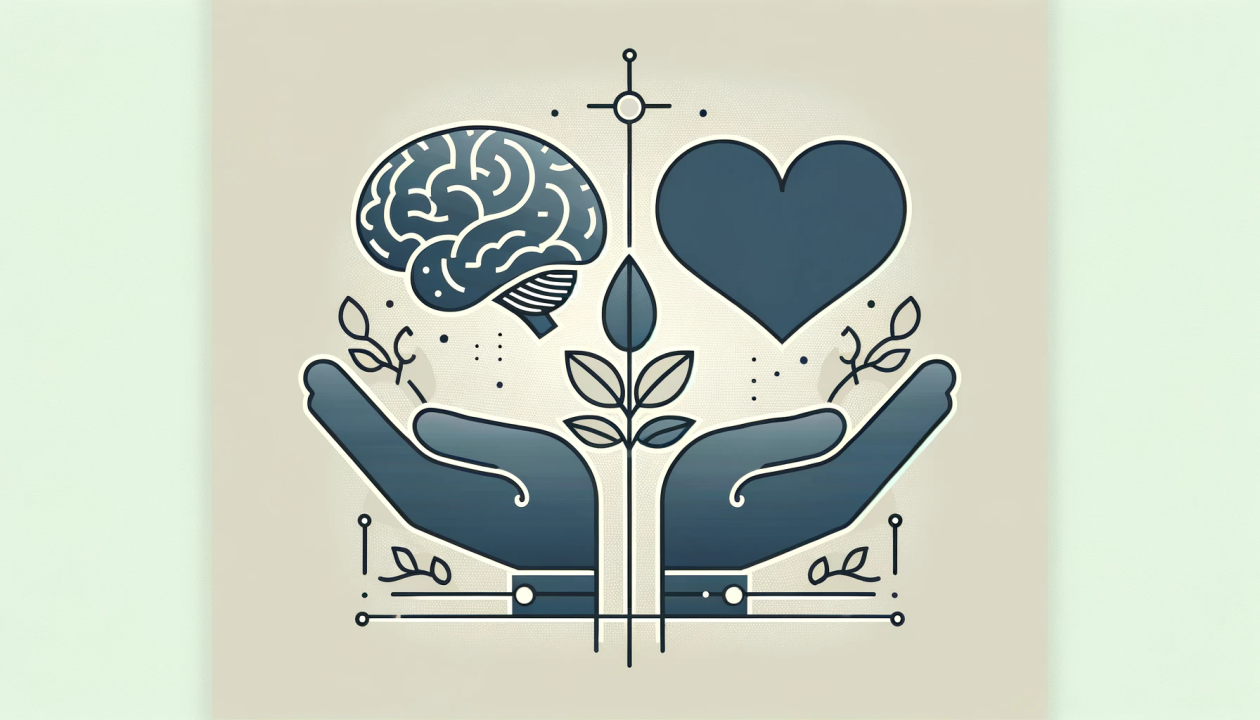
In our always-on culture, rest has become a revolutionary act. Discovering how strategic downtime fuels both productivity and creativity can transform your work and life. ✨

We live in a world that glorifies hustle culture, where burning the midnight oil is seen as a badge of honor and exhaustion is worn like a trophy. Social media feeds overflow with motivational quotes about grinding harder, pushing through fatigue, and sacrificing sleep for success. Yet, paradoxically, the most successful innovators, athletes, and creative minds understand a fundamental truth: rest isn’t the opposite of productivity—it’s the foundation of it.
The relationship between rest and high performance isn’t just anecdotal wisdom passed down through generations. Modern neuroscience, psychology, and organizational research have revealed compelling evidence that strategic rest periods significantly enhance cognitive function, problem-solving abilities, and creative thinking. When we understand how our brains actually work, we can harness the power of rest to unlock potential we never knew we had.
🧠 The Neuroscience Behind Rest and Performance
Your brain isn’t designed for continuous operation at peak capacity. Despite comprising only 2% of your body weight, your brain consumes approximately 20% of your body’s energy. During intense cognitive work, specific neural networks activate, consuming glucose and oxygen at accelerated rates. Without adequate rest, these resources deplete, leading to diminished mental performance.
When you rest, your brain doesn’t simply power down. Instead, it shifts into what neuroscientists call the “default mode network” (DMN). This network activates during wakeful rest periods—when you’re daydreaming, taking a walk, or simply staring out the window. The DMN plays crucial roles in memory consolidation, self-reflection, and making unexpected connections between disparate ideas.
Research from the University of California has demonstrated that during rest periods, the brain actively processes information gathered during focused work. It’s during these moments of apparent idleness that breakthrough insights often emerge. This explains why brilliant ideas frequently arrive in the shower, during a morning jog, or right before falling asleep.
The Ultradian Rhythm: Your Body’s Natural Productivity Clock
Beyond circadian rhythms that govern our sleep-wake cycles, our bodies operate on ultradian rhythms—90 to 120-minute cycles throughout the day. During each cycle, we move from higher to lower alertness. Productivity expert Tony Schwartz has extensively researched how working in alignment with these natural rhythms, incorporating rest breaks between cycles, dramatically improves both output quality and creative problem-solving.
Ignoring these biological signals and pushing through fatigue doesn’t demonstrate commitment—it demonstrates inefficiency. Studies show that after approximately 90 minutes of focused work, cognitive performance declines measurably. Taking even a brief 10-15 minute break can restore mental clarity and prevent the cumulative fatigue that leads to burnout.
💡 How Rest Specifically Enhances Creativity
Creativity requires more than just knowledge and skill—it demands mental space for ideas to breathe, evolve, and connect. The creative process involves two distinct thinking modes: focused attention and diffuse thinking. While focused attention helps us work through problems methodically, diffuse thinking allows for the associative connections that generate innovative solutions.
Rest periods activate diffuse thinking. When you step away from a creative challenge, your subconscious mind continues processing. This is why writers experience breakthroughs during walks, why musicians hear melodies in moments of quiet, and why designers visualize solutions while away from their screens.
Salvador Dalí famously practiced what he called “slumber with a key.” He would sit holding a key over a metal plate, allowing himself to drift toward sleep. As he lost muscle tension and dropped the key, the sound would wake him, and he’d capture the surreal images from that threshold state. While this specific technique might seem extreme, it illustrates an important principle: the space between wakefulness and sleep holds tremendous creative potential.
The Incubation Effect in Problem-Solving
Psychological research has identified the “incubation effect”—the phenomenon where stepping away from a problem leads to better solutions than continuous effort. In one study, participants who took breaks during complex problem-solving tasks demonstrated 40% better performance than those who worked without interruption.
This isn’t procrastination—it’s strategic cognitive processing. When you consciously decide to rest after intense work on a problem, you’re allowing your brain’s background processes to explore solution pathways that focused attention might overlook. The key is intentionality: purposeful rest differs fundamentally from distraction or avoidance.
⚡ Types of Rest That Maximize Performance
Not all rest is created equal. Understanding different types of rest and when to apply each can dramatically impact your results. Dr. Saundra Dalton-Smith, author of “Sacred Rest,” identifies seven types of rest that humans need: physical, mental, sensory, creative, emotional, social, and spiritual.
Physical Rest: Beyond Just Sleep
While quality sleep remains non-negotiable for peak performance—most adults require 7-9 hours—physical rest extends beyond nighttime sleep. It includes active rest like yoga, stretching, or gentle movement that releases tension, and passive rest like napping or simply lying down.
Power naps of 10-20 minutes can significantly boost alertness and performance without entering deep sleep stages that leave you groggy. Research from NASA on sleepy military pilots found that a 26-minute nap improved performance by 34% and alertness by 54%.
Mental Rest: Giving Your Cognitive Systems a Break
Mental rest involves stepping back from cognitive demands—problem-solving, decision-making, and information processing. Even brief mental breaks every 90 minutes help maintain cognitive function throughout the day. These breaks might involve:
- Stepping outside for fresh air without your phone
- Practicing brief mindfulness or breathing exercises
- Switching to a completely different type of task
- Engaging in simple, repetitive activities like walking or washing dishes
Meditation apps can support mental rest practices by providing structured guidance for mindfulness exercises. For those new to meditation, apps like Headspace offer accessible entry points to developing a rest practice that enhances both focus and creativity.
Sensory Rest: Protecting Yourself from Overstimulation
Modern life bombards us with sensory input—screens, notifications, noise, artificial lighting, and constant visual stimulation. Sensory rest means intentionally reducing this input. This might include closing your eyes for a minute, working in silence, dimming lights, or spending time in nature where sensory stimulation feels restorative rather than depleting.
The impact of sensory overload on creativity and productivity is significant. When our sensory systems are constantly processing stimuli, fewer cognitive resources remain available for deep thinking and creative work.
Creative Rest: Reawakening Wonder and Inspiration
Even if creativity is your profession, your creative capacity needs replenishment. Creative rest involves exposing yourself to beauty—whether natural landscapes, art, music, or architecture—without the pressure to produce. It’s consumption without creation, inspiration without obligation.
Visit museums, attend concerts, walk in nature, or simply observe beautiful design. These experiences refill the creative well from which you draw during productive periods. Many successful creatives schedule regular “artist dates”—solo excursions to inspiring places without work agendas.
🎯 Implementing Strategic Rest: Practical Frameworks
Understanding the theory behind rest is one thing; implementing it consistently is another. Here are evidence-based frameworks for integrating rest into your productivity system.
The 52-17 Rule
Research by the Draugiem Group, which used time-tracking software to study employee productivity, discovered that the most productive 10% of workers didn’t work longer hours—they took more breaks. Specifically, they worked for 52 minutes, then took 17-minute breaks. This rhythm aligns with ultradian cycles and prevents the cognitive fatigue that accumulates during extended work sessions.
During these 17-minute breaks, the most productive workers completely disconnected from work-related activities. They socialized, took walks, read non-work material, or simply rested. The key was full disengagement, allowing their minds to shift modes completely.
The Pomodoro Technique with Rest Integration
The classic Pomodoro Technique involves 25-minute work intervals followed by 5-minute breaks, with longer 15-30 minute breaks after four cycles. While originally designed for time management, this technique’s effectiveness largely stems from its structured rest periods. The breaks prevent mental fatigue and maintain consistent cognitive performance throughout the day.
For those who benefit from structure in their rest practices, timer apps can help maintain these rhythms. Apps like Forest gamify the process, growing virtual trees during focus periods and encouraging you to take breaks between sessions.
Weekly and Seasonal Rest Rhythms
Beyond daily rest cycles, productivity and creativity benefit from larger rhythms. Taking one full day off weekly—truly off, without email, work tasks, or professional development—allows for deeper mental and physical recovery. Research shows that knowledge workers who observe a weekly rest day report higher job satisfaction and demonstrate better long-term productivity than those who work seven days weekly.
Seasonal rest patterns also matter. Many creative professionals and entrepreneurs report natural ebbs and flows in productivity across the year. Rather than fighting these rhythms, build them into your planning. Schedule intense project sprints during your high-energy seasons and more reflective, strategic work during lower-energy periods.
🚫 Overcoming Rest Resistance: Why We Struggle to Stop
Despite compelling evidence, many high-achievers resist rest. Understanding the psychological barriers helps overcome them.
The Productivity Guilt Complex
Many people experience guilt when resting, feeling they should always be “doing something productive.” This mindset stems from cultural conditioning that equates busyness with worth. Recognizing rest as productive—because it enables future high-quality work—helps reframe this guilt.
A helpful perspective shift: you’re not resting instead of working; you’re resting to work better. Elite athletes don’t apologize for recovery days—they understand recovery is when adaptation and improvement occur. The same principle applies to cognitive work.
Fear of Missing Out and Competitive Anxiety
In competitive fields, resting can feel like falling behind while others surge ahead. However, this zero-sum thinking ignores how burnout and diminished creativity ultimately create far greater setbacks than strategic rest ever could.
The most sustainable high performers play long games. They prioritize practices that maintain performance over decades, not just months. Rest isn’t a luxury for when you’ve “earned it”—it’s a fundamental requirement for sustained excellence.
The Always-On Digital Environment
Technology has blurred boundaries between work and rest. Smartphones mean we’re perpetually reachable; remote work means home and office blend together. Creating genuine rest requires intentional boundary-setting: designated work hours, phone-free zones, and protected time blocks free from professional obligations.
Digital detox periods—whether an hour daily, one day weekly, or longer retreats—provide essential sensory and mental rest. These breaks from constant connectivity allow the deep rest that genuine creativity requires.
📊 Measuring the Rest-Productivity Connection
How do you know if your rest practices are effectively boosting productivity and creativity? Track these indicators:
| Indicator | What to Track | Positive Trend |
|---|---|---|
| Cognitive Performance | Time to complete routine tasks | Decreased completion time |
| Creative Output | Number of novel ideas generated | Increased quantity and quality |
| Decision Quality | Percentage of decisions you later revise | Fewer revisions needed |
| Energy Levels | Self-rated energy at day’s end | Higher sustained energy |
| Work Satisfaction | Weekly satisfaction rating | Increased satisfaction scores |
Keep a simple rest and productivity journal for 2-4 weeks. Note when you rest, what type of rest, and your subsequent productivity and creative performance. Patterns will emerge showing which rest practices deliver the greatest returns for your specific work and temperament.
🌟 Creating Your Personalized Rest Protocol
The optimal rest approach varies by individual. Factors like chronotype (whether you’re naturally a morning or evening person), work demands, personal energy patterns, and life circumstances all influence what rest practices work best.
Start by experimenting with one new rest practice for two weeks. Maybe it’s 15-minute walks after 90-minute work blocks, perhaps it’s a midday meditation practice, or it could be strictly protecting one full rest day weekly. Observe the effects on your work quality, creativity, and well-being.
Gradually build a personalized rest protocol—a customized system of daily, weekly, and seasonal rest practices that support your specific performance goals. This isn’t about following someone else’s formula; it’s about discovering what allows you to show up as your best self consistently.
🔄 The Compound Effect of Consistent Rest
The benefits of rest compound over time. A single good night’s sleep helps, but consistent quality sleep transforms cognitive function. One weekly rest day is valuable, but protecting that boundary week after week builds resilience against burnout that pays dividends for years.
Think of rest as an investment with compound interest. Early returns might seem modest—you feel slightly more creative after a walk, a bit more energized after a proper weekend off. But these gains accumulate. Over months and years, individuals who prioritize strategic rest dramatically outperform equally talented peers who chronically deplete themselves.
The most compelling argument for rest isn’t that it feels good (though it does), or that it’s healthier (though it is)—it’s that it works. When measured by actual creative output, problem-solving effectiveness, and sustained high performance, strategic rest consistently produces superior results compared to relentless grinding.

🎨 Rest as the Canvas for Your Best Work
Consider how artists approach a canvas. Before the first brushstroke, there’s blank space—potential waiting to be realized. Your mind works similarly. Rest provides the blank canvas, the quiet space where ideas can emerge and take form. Without that space, you’re simply painting over old work, adding layers without clarity or intention.
The greatest productivity hack isn’t a new app, technique, or time-management system. It’s the courage to stop, to rest, to trust that stepping back will propel you forward. This paradox—that doing less can achieve more—contradicts everything our culture teaches about success. Yet it remains fundamentally true.
Your potential isn’t unlocked through more effort, longer hours, or greater sacrifice. It’s unlocked when you honor your humanity, respect your biological needs, and create the conditions where your brain can do what it does best—make connections, generate insights, and produce work that matters. Rest isn’t what happens when your work is done. Rest is what makes your best work possible.
The question isn’t whether you can afford to rest—it’s whether you can afford not to. In a world where creativity and innovation increasingly determine success, rest isn’t optional. It’s your competitive advantage, your creative fuel, and your path to sustainable excellence. The power to unlock your potential doesn’t lie in pushing harder—it lies in knowing when to stop, breathe, and let your extraordinary brain do what it was designed to do. 🚀