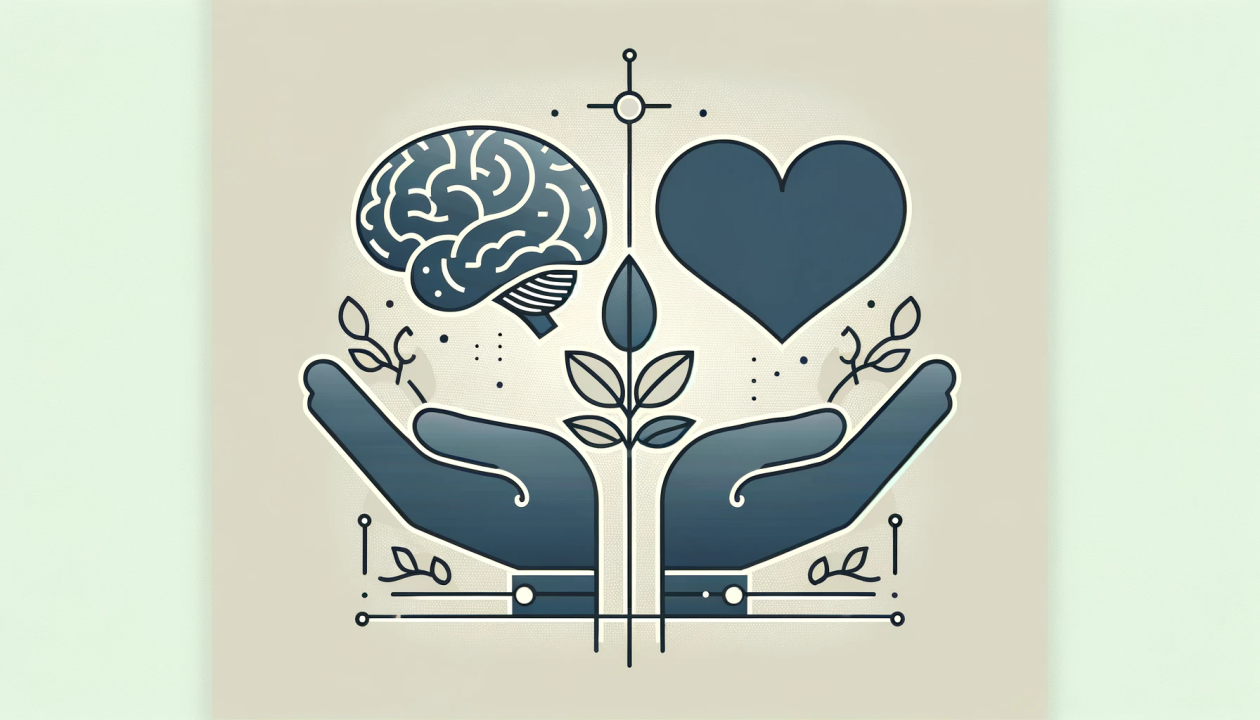
Movement is the bridge between your physical body and mental clarity, offering a powerful pathway to unlock inner balance and holistic well-being.

In our fast-paced modern world, many people experience a disconnect between their minds and bodies. This separation can manifest as chronic stress, physical tension, emotional imbalance, and a general sense of being “out of sync” with ourselves. The ancient wisdom traditions and contemporary scientific research both point toward the same solution: intentional movement practices that create harmony between our mental and physical states.
When we speak of mind-body alignment, we’re referring to the conscious integration of physical awareness with mental presence. This alignment isn’t just a philosophical concept—it’s a tangible state that can be cultivated through specific movement practices, leading to profound improvements in overall health, emotional resilience, and life satisfaction.
🧘 The Science Behind Mind-Body Connection Through Movement
Neuroscience has revealed fascinating insights into how physical movement directly impacts our mental states. When we engage in mindful movement, our brain releases a cascade of neurochemicals including endorphins, serotonin, and dopamine. These natural compounds don’t just make us feel good temporarily—they actually rewire neural pathways, creating lasting changes in how we process emotions and respond to stress.
The vagus nerve, which runs from the brainstem through the heart and into the abdomen, plays a crucial role in this mind-body communication. Movement practices that emphasize breath coordination and body awareness stimulate vagal tone, activating the parasympathetic nervous system. This activation shifts us from “fight or flight” mode into “rest and digest,” promoting healing, regeneration, and mental clarity.
Research published in leading neuroscience journals demonstrates that regular movement practice increases gray matter in brain regions associated with emotional regulation, self-awareness, and perspective-taking. This means that when we move with intention, we’re literally building a more resilient and balanced brain.
Movement Modalities That Create Harmonious Alignment ✨
Different movement practices offer unique pathways to mind-body harmony. Understanding these options helps you discover what resonates most deeply with your individual needs and preferences.
Yoga: The Ancient Path to Integration
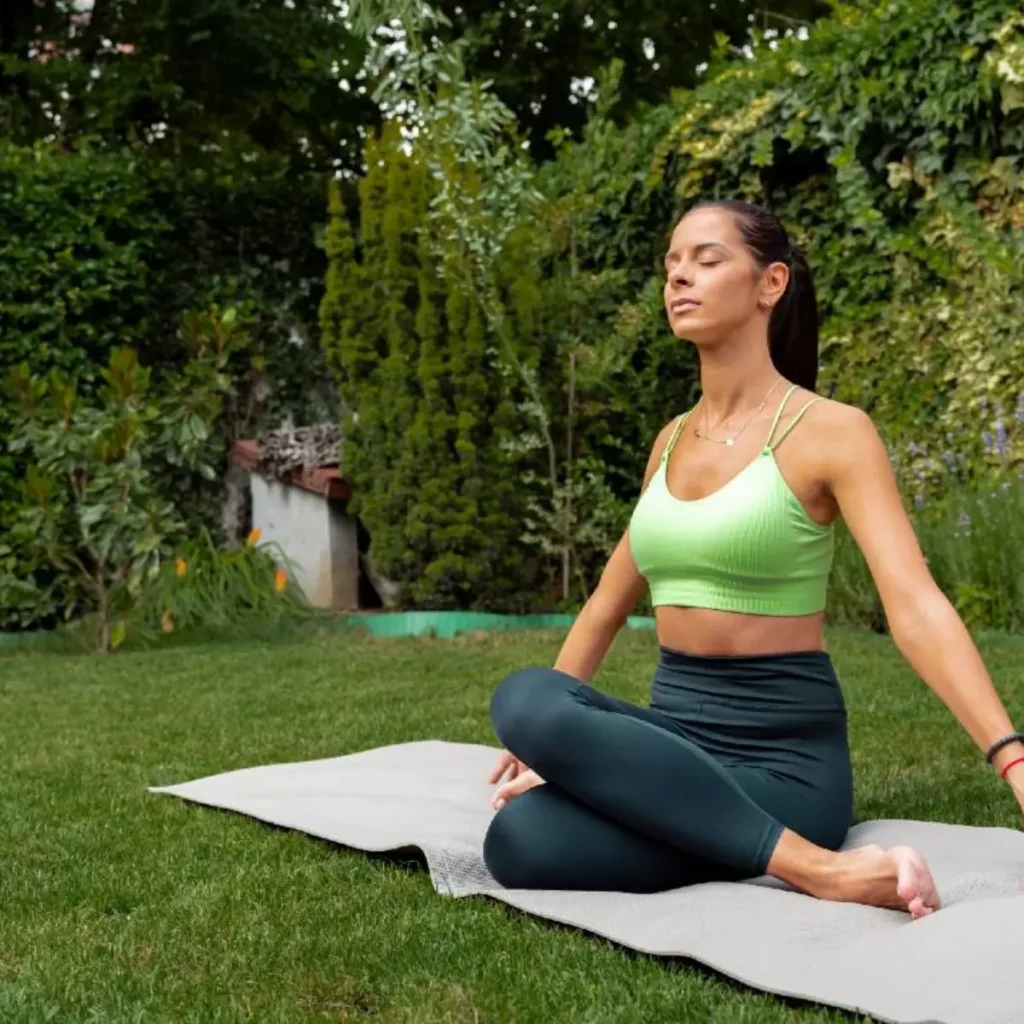
Yoga combines physical postures, breath control, and meditation to create a comprehensive system for alignment. The practice teaches us to observe sensations without judgment, developing what psychologists call “interoceptive awareness”—the ability to perceive internal bodily states accurately.
Through consistent practice, yoga practitioners often report improved emotional regulation, reduced anxiety, and a greater sense of connection between their thoughts and physical sensations. The variety within yoga traditions—from vigorous Vinyasa to restorative Yin—means there’s an approach suitable for every body and temperament.
Tai Chi and Qigong: Flowing Energy Cultivation
These Chinese movement arts emphasize slow, deliberate movements coordinated with breath. The gentle nature of these practices makes them accessible to people of all fitness levels while still providing profound benefits for mind-body alignment.
Studies on Tai Chi have shown improvements in balance, cognitive function, and psychological well-being. The meditative quality of the movements helps practitioners develop what’s called “embodied mindfulness”—being fully present in the physical experience of the moment.
Dance and Expressive Movement
Dance transcends cultural boundaries as a natural human impulse toward expression and connection. Whether structured forms like ballet and contemporary dance or free-form movement, dance engages both hemispheres of the brain simultaneously, creating unique opportunities for integration.
Movement therapy practitioners use dance to help clients access and process emotions that may be difficult to articulate verbally. The body often remembers what the conscious mind has forgotten, and expressive movement provides a safe container for releasing stored tension and trauma.
Somatic Practices: Listening to Body Wisdom
Somatic movement approaches like Feldenkrais Method, Alexander Technique, and Body-Mind Centering focus on developing refined awareness of how we move through space. These practices teach us to identify inefficient patterns and discover new possibilities for ease and grace.
Through gentle exploration and attention to subtle sensations, somatic practices help us release chronic holding patterns and reconnect with our innate capacity for fluid, effortless movement.
🌟 Creating Your Personal Movement Practice for Alignment
Developing a sustainable movement practice requires thoughtfulness and self-compassion. The goal isn’t perfection or achievement but rather consistent engagement with the process of listening to and honoring your body’s wisdom.
Starting Where You Are
Begin with honest assessment of your current relationship with movement. Do you view exercise as punishment or pleasure? Do you move from obligation or inspiration? Understanding your starting point helps you choose practices that will genuinely support your journey toward alignment rather than reinforce disconnection.
Start small and build gradually. Even five minutes of mindful stretching daily creates more lasting change than sporadic intense sessions. The key is consistency and presence rather than duration or intensity.
Cultivating Body Awareness
Before, during, and after movement, pause to notice sensations. What areas feel tight or open? Where do you sense energy or heaviness? This simple practice of checking in develops the interoceptive awareness that forms the foundation of mind-body alignment.
Many people find it helpful to use guided practices when starting. Various meditation and movement apps offer structured sessions specifically designed to enhance body awareness and promote mind-body connection.
Breathing: The Foundation of Aligned Movement
Breath serves as the primary link between conscious and unconscious processes in the body. Learning to coordinate breath with movement transforms exercise from mechanical repetition into meditative practice.
Experiment with different breathing patterns. Slower, deeper breathing activates relaxation responses, while more vigorous breathing can energize and invigorate. Notice how breath quality affects your movement quality and mental state.
Overcoming Common Obstacles to Mind-Body Practice 💪
Despite understanding the benefits of movement for alignment, many people struggle to maintain consistent practices. Recognizing and addressing these obstacles increases your likelihood of success.
The Perfectionism Trap
One major barrier is the belief that movement practice must look a certain way or achieve specific outcomes. This perfectionist mindset actually prevents the very alignment we seek by keeping us in judgment rather than presence.
Remember that mind-body practices are called “practices” for a reason—they’re ongoing explorations rather than destinations. Some days will feel flowing and easeful; others may feel challenging or resistant. All experiences provide valuable information and opportunities for integration.
Time Constraints and Modern Life
The perception that we don’t have time for movement practice often reflects deeper priorities and beliefs. While our schedules are genuinely full, we typically find time for what we truly value.
Consider integrating movement into existing routines rather than adding separate time blocks. Mindful walking during lunch breaks, gentle stretching while watching television, or conscious breathing while commuting all count as mind-body practice.
Physical Limitations and Health Conditions
Chronic pain, injuries, or health conditions need not prevent movement practice—they simply require adaptation and modification. In fact, people with physical challenges often develop the deepest mind-body awareness because they must listen carefully to their bodies’ signals.
Work with qualified professionals who understand adaptive movement approaches. Physical therapists, adaptive yoga instructors, and somatic practitioners can help you discover safe, beneficial practices tailored to your specific needs.
🌱 The Ripple Effects of Mind-Body Alignment
When we establish harmony between mind and body through movement, the benefits extend far beyond the practice itself, influencing every aspect of our lives.
Enhanced Emotional Regulation
Regular movement practice strengthens our capacity to stay present with difficult emotions rather than becoming overwhelmed or dissociating. This emotional resilience translates to healthier relationships, better decision-making, and greater overall life satisfaction.
The physical release that comes with movement also provides a healthy outlet for processing stress and tension that might otherwise manifest as anxiety, depression, or physical symptoms.
Improved Physical Health Markers
Mind-body movement practices positively impact measurable health indicators including blood pressure, immune function, inflammation levels, and cardiovascular health. The stress-reducing effects alone contribute significantly to disease prevention and longevity.
Additionally, the enhanced body awareness developed through mindful movement helps us recognize early warning signs of imbalance or illness, allowing for earlier intervention and care.
Greater Sense of Purpose and Connection
When we feel aligned within ourselves, we naturally experience stronger connections with others and with something larger than ourselves. This sense of belonging and purpose contributes profoundly to psychological well-being and life meaning.
Many practitioners describe their movement practice as spiritual even when not explicitly religious. The experience of embodied presence opens us to dimensions of existence that transcend ordinary consciousness.
Building a Sustainable Practice Over Time 🔄
Sustaining a movement practice requires ongoing attention and adaptation as our lives and needs evolve.
Creating Supportive Structures
Environmental and social factors significantly influence practice consistency. Designate a specific space for movement, even if it’s just a corner of your bedroom. Having a dedicated area signals to your nervous system that this is time for presence and self-care.
Consider joining classes, workshops, or online communities focused on mindful movement. The accountability and shared energy of group practice supports individual commitment while providing opportunities for learning and inspiration.
Tracking Progress Without Attachment
Journaling about your movement experiences helps you recognize patterns and celebrate growth. Notice changes in flexibility, strength, emotional balance, sleep quality, and stress levels over time.
However, remain flexible about what “progress” means. Some periods may involve deepening subtlety rather than obvious advancement. Trust that consistent practice yields benefits even when they’re not immediately apparent.
Embracing Seasonal and Life Cycle Changes
Our movement needs naturally fluctuate with seasons, age, and life circumstances. What served you in your twenties may not resonate in your fifties. Winter might call for gentler, more inward practices while summer invites dynamic movement.
View these changes as opportunities for exploration rather than obstacles. The willingness to adapt keeps practice fresh and relevant throughout life’s journey.
Integrating Wisdom From Multiple Traditions 🌍
While developing expertise in one movement modality offers depth, drawing wisdom from various traditions creates a rich, personalized practice.
Many contemporary practitioners blend elements from different approaches—combining yoga with dance, or integrating breathing techniques from qigong into running practice. This eclectic approach honors the truth that no single system holds all answers for every individual.
The key is maintaining respect for the cultural origins of practices while allowing them to evolve in ways that serve your unique path toward mind-body harmony.
Your Journey Toward Harmonious Alignment Begins Now ✨
The path to mind-body harmony through movement isn’t about achieving some perfect state—it’s about developing an ongoing relationship with the wisdom of your embodied experience. Each moment of conscious movement is both the practice and the destination.
Start today with simple awareness. Take three deep breaths and notice the sensations in your body. Stretch gently in whatever way feels good. Walk mindfully for five minutes. These small actions plant seeds that grow into profound transformation.
Remember that your body is not a machine to be optimized but rather a living, intelligent system yearning for integration and balance. Through patient, compassionate engagement with movement practices, you create the conditions for natural alignment to emerge.
The harmonious integration of mind and body isn’t just about feeling better—though that certainly happens. It’s about coming home to yourself, reclaiming your innate wholeness, and living from a place of authentic presence. This alignment becomes the foundation from which all other aspects of life flourish.
Your body has been waiting patiently for your attention. Your mind has been seeking the anchor of physical presence. Movement is the language through which they reunite, creating the symphony of well-being that is your birthright. The journey toward harmony begins with a single conscious breath, a single intentional movement, a single moment of listening to the wisdom that lives within you.