In a world filled with constant noise and endless distractions, finding inner peace has become more essential than ever for our mental and emotional well-being.

The modern lifestyle bombards us with notifications, deadlines, and demands that pull our attention in countless directions simultaneously. This perpetual state of stimulation leaves many of us feeling disconnected, anxious, and overwhelmed. Yet within this chaos lies an opportunity—a chance to reclaim our sense of calm through intentional practices that ground us in the present moment.
Grounding rituals and mindfulness practices aren’t just trendy wellness concepts; they’re time-tested techniques that have helped people navigate life’s challenges for thousands of years. By incorporating these practices into your daily routine, you create anchors of stability that help you weather the storms of modern life with greater ease and resilience.
🌿 Understanding the Power of Grounding Rituals
Grounding rituals serve as tangible touchpoints that connect you to the present moment and help regulate your nervous system. When we talk about being “grounded,” we’re referring to a state of being fully present, centered, and connected to both our physical bodies and our immediate environment.
These rituals work by interrupting the automatic patterns of stress and anxiety that can dominate our mental landscape. When you engage in a grounding practice, you’re essentially telling your nervous system that it’s safe to relax, that you don’t need to remain in a constant state of vigilance.
The beauty of grounding rituals lies in their simplicity. They don’t require expensive equipment, special locations, or hours of your time. What they do require is intention, consistency, and a willingness to prioritize your mental health as much as you would your physical health.
Morning Rituals That Set a Peaceful Tone for Your Day
How you begin your morning significantly influences the quality of your entire day. Instead of immediately reaching for your phone and diving into the demands of the world, consider implementing mindful morning rituals that center you before the chaos begins.
Conscious Breathing Upon Waking ☀️
Before you even get out of bed, take five minutes to focus on your breath. Place one hand on your chest and the other on your belly, then breathe deeply enough that your lower hand rises more than your upper hand. This diaphragmatic breathing activates your parasympathetic nervous system, promoting calmness and clarity.
Count slowly to four as you inhale, hold for four counts, then exhale for six counts. This extended exhale is particularly effective at reducing anxiety and creating a sense of groundedness. Repeat this cycle ten times, paying attention to how your body feels with each breath.
Mindful Movement to Connect With Your Body
Physical movement in the morning doesn’t need to be an intense workout. Gentle stretching, yoga, or even a mindful walk can help you inhabit your body more fully and shake off the residual sleepiness that clouds your mind.
Consider these grounding movements:
- Five minutes of gentle yoga stretches focusing on spine mobility
- A brief body scan where you consciously relax each muscle group
- Walking barefoot on grass or natural surfaces to connect with the earth
- Simple tai chi movements that emphasize fluid, intentional motion
- Progressive muscle relaxation starting from your toes and moving upward
Intentional Hydration and Nourishment
Transform your morning beverage ritual into a mindfulness practice. Whether you prefer tea, coffee, or warm lemon water, engage all your senses as you prepare and consume it. Notice the warmth of the cup in your hands, the aroma rising with the steam, the taste on your tongue, and the sensation of warmth traveling down your throat.
This simple act of mindful consumption can become a powerful anchor that brings you back to the present moment whenever your mind begins to race ahead into the day’s concerns.
Creating Sacred Pauses Throughout Your Day 🧘
Mindfulness doesn’t require you to retreat from daily life; instead, it asks you to bring full awareness to ordinary moments. By creating intentional pauses throughout your day, you prevent the accumulation of stress and maintain a connection to your centered self.
The Power of Micro-Meditations
You don’t need thirty minutes on a cushion to experience the benefits of meditation. Micro-meditations lasting just one to three minutes can be strategically placed throughout your day to reset your nervous system and restore mental clarity.
Try these quick grounding techniques during transitions between activities:
- The 5-4-3-2-1 sensory technique: Name five things you see, four you can touch, three you hear, two you smell, and one you taste
- Three conscious breaths with full attention on the sensation of air entering and leaving your body
- A body awareness check-in, noticing areas of tension and consciously releasing them
- Visualization of roots extending from your feet into the earth, anchoring you solidly
Mindful Transitions Between Tasks
Rather than rushing from one task to another, create brief transition rituals that help you shift gears consciously. This might be as simple as standing up, taking three deep breaths, and setting an intention for the next activity before diving in.
These transitions prevent the mental accumulation that leads to that overwhelmed feeling by day’s end. Each pause serves as a reset button, allowing you to bring fresh energy and focus to whatever comes next.
The Grounding Magic of Nature Connection 🌳
Our ancestors lived in constant connection with natural rhythms and elements, but modern life has largely severed this relationship. Reconnecting with nature is one of the most powerful grounding practices available to us, with research consistently showing that time in natural settings reduces stress hormones and improves overall well-being.
Bringing Nature Into Your Daily Routine
You don’t need to live in a forest to benefit from nature’s grounding effects. Even in urban environments, you can incorporate natural elements into your mindfulness practice.
Consider these approaches:
- Maintain indoor plants and make watering them a meditative ritual
- Spend your lunch break in a park or any green space available
- Open windows to let in fresh air and natural sounds
- Keep natural objects like stones, shells, or wood on your desk as tactile grounding tools
- Watch sunrises or sunsets with full attention
The Practice of Earthing
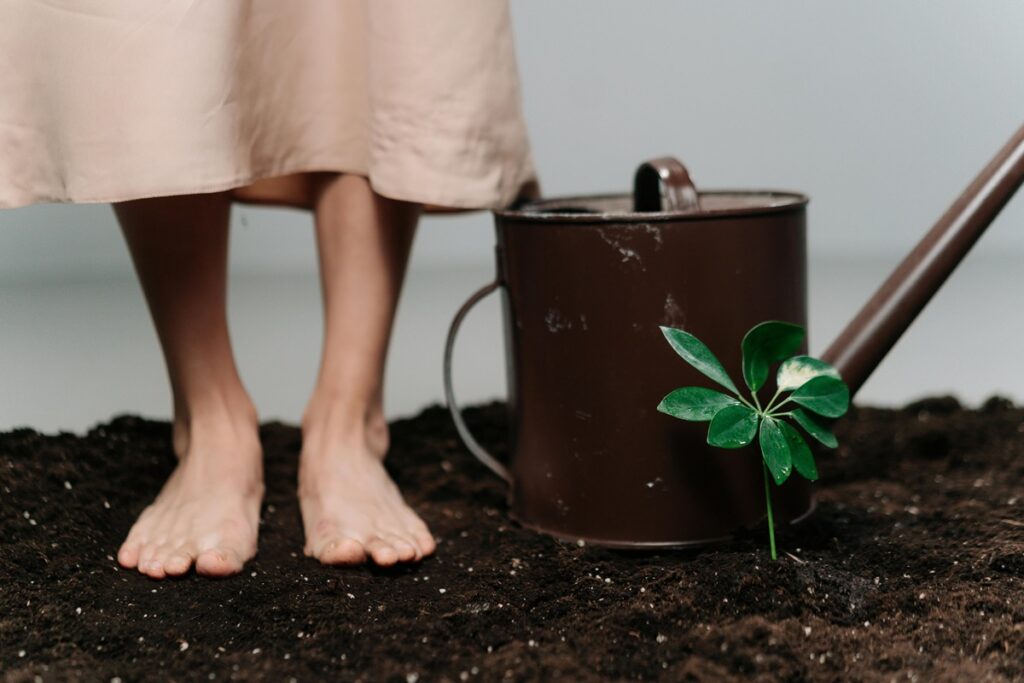
Also known as grounding in a literal sense, earthing involves direct physical contact with the earth’s surface. Walking barefoot on grass, sand, or soil allows electrons from the earth to enter your body, which some research suggests can reduce inflammation and improve sleep quality.
Make earthing part of your routine by spending just ten minutes daily with bare feet on natural ground. Use this time to practice standing meditation, focusing on the sensation of connection between your body and the earth beneath you.
Evening Rituals for Releasing the Day 🌙
Just as morning rituals set the tone for your day, evening practices help you process experiences, release accumulated stress, and prepare for restorative sleep. These rituals create a boundary between the active demands of daytime and the receptive rest of nighttime.
The Digital Sunset Practice
Establish a specific time each evening when you disconnect from digital devices. This “digital sunset” might occur an hour or two before bed, creating space for more grounding activities that don’t stimulate your nervous system.
Use this device-free time for practices like journaling, gentle stretching, reading physical books, or conversation with loved ones. The absence of blue light and stimulating content allows your body to naturally prepare for sleep while giving your mind space to settle.
Gratitude and Release Journaling
Spend ten minutes each evening writing about your day from two perspectives. First, list three to five things you’re genuinely grateful for, being specific about why each matters. This gratitude practice trains your brain to notice positive aspects of your life even during challenging times.
Second, write about anything you need to release—worries, frustrations, or unfinished mental loops. The act of transferring these thoughts to paper helps externalize them, making it easier to let them go rather than carrying them into sleep.
Body Scan Meditation for Deep Relaxation
As you lie in bed preparing for sleep, practice a body scan meditation. Starting with your toes, bring awareness to each part of your body sequentially, consciously releasing any tension you notice. This practice not only promotes physical relaxation but also draws your awareness away from mental chatter and into embodied presence.
If your mind wanders during this practice—and it will—simply notice where it went and gently guide your attention back to the body part you were focusing on. This redirection itself is the practice, strengthening your capacity for mindful awareness.
Building Consistency Without Perfectionism 💪
The most powerful grounding rituals are those you actually do, not the elaborate practices you plan but never implement. Start small and focus on consistency over perfection. A two-minute morning breathing practice done daily is infinitely more valuable than a thirty-minute meditation you do once a month.
Creating Ritual Stacking
Attach new grounding practices to existing habits through a technique called habit stacking. For example, practice three conscious breaths immediately after brushing your teeth, or do a one-minute body scan while waiting for your coffee to brew.
This approach leverages established neural pathways, making it easier for new practices to stick. Your existing habits serve as triggers that remind you to engage in your grounding rituals.
Adapting Practices to Your Reality
Your grounding rituals should enhance your life, not become another source of stress. Be willing to adapt practices to fit your actual circumstances rather than abandoning them when life gets complicated.
On busy days, a thirty-second breathing practice is still valuable. When traveling, your rituals might look different than they do at home. The key is maintaining some form of intentional practice rather than insisting on perfection or giving up entirely.
The Ripple Effects of Daily Mindfulness Practice 🌊
As you consistently engage with grounding rituals and mindfulness practices, you’ll likely notice changes that extend far beyond the moments of practice itself. These effects ripple outward, influencing your relationships, work performance, and overall quality of life.
Enhanced Emotional Regulation
Regular grounding practices strengthen your ability to observe emotions without being overwhelmed by them. You develop what psychologists call “metacognition”—awareness of your own thought processes—which creates space between stimulus and response.
This space is where choice lives. Instead of reacting automatically to stress or challenges, you gain the capacity to respond thoughtfully, choosing actions aligned with your values rather than your momentary emotional state.
Improved Focus and Productivity
Paradoxically, taking time to slow down and ground yourself actually enhances productivity. By training your attention through mindfulness practices, you develop greater capacity for sustained focus on important tasks.
The mental clarity that comes from regular grounding also improves decision-making quality and creative problem-solving abilities. When your nervous system isn’t constantly in stress mode, your prefrontal cortex—responsible for executive functions—operates more effectively.
Deeper Connection in Relationships
As you become more present and grounded within yourself, you naturally bring more presence to your interactions with others. People feel the difference when someone is truly listening rather than just waiting to speak or mentally multitasking.
This quality of presence strengthens relationships, creating deeper bonds and more meaningful connections. Your own inner peace becomes a gift you offer to everyone you encounter.
Personalizing Your Grounding Practice Journey 🎯
While this article offers numerous suggestions, the most powerful grounding practice is one that resonates authentically with you. Experiment with different approaches, notice what creates a genuine sense of peace and presence, then build your personal routine around those elements.
Some people find greatest grounding through physical practices like yoga or walking. Others connect most deeply through breathwork or meditation. Still others benefit most from creative practices like mindful drawing or playing music with full attention.
There’s no single “right way” to cultivate inner peace. The right way is the one you’ll actually maintain, the practices that call to you rather than feeling like obligations. Trust your own experience and allow your routine to evolve as you grow in your practice.
Sustaining Your Practice Through Challenging Times 🛡️
The true test of your grounding rituals comes during difficult periods when you need them most but feel least motivated to maintain them. Ironically, these are precisely the times when your practices become most valuable.
During challenging phases, give yourself permission to simplify rather than abandon your rituals. Even one conscious breath is better than none. Remember that the practice isn’t about achieving a particular state; it’s about showing up for yourself consistently, regardless of circumstances.
Consider creating a “minimum viable practice”—the absolute simplest version of your ritual that you can maintain even on the hardest days. This might be just thirty seconds of focused breathing or a single moment of gratitude. Maintaining this minimum keeps the thread of practice alive during storms, making it easier to expand again when conditions improve.
Inner peace isn’t a destination you reach and then maintain effortlessly forever. It’s a practice, a series of choices you make repeatedly to return to presence, to ground yourself in the moment, to connect with what truly matters beneath the surface chaos of daily life.
By embracing grounding rituals and mindfulness practices as non-negotiable parts of your routine—as essential as eating or sleeping—you invest in your most valuable resource: your own wellbeing. This investment pays dividends in every area of your life, creating a foundation of inner stability that supports you through whatever challenges and opportunities arise.
Start today. Choose one simple practice from this article and commit to it for the next week. Notice what shifts. Then build from there, gradually creating a personalized routine that anchors you in peace, presence, and purpose. Your future self will thank you for the gift of this commitment to inner peace.