Water is life’s most precious resource, yet billions of gallons are wasted daily through unconscious habits and outdated systems worldwide.

As global populations surge and climate patterns shift unpredictably, water scarcity has emerged as one of humanity’s most pressing challenges. From bustling cities to rural farmlands, communities everywhere face mounting pressure on freshwater supplies. The solution, however, doesn’t always require massive infrastructure projects or cutting-edge technology. Sometimes the most powerful change begins with individual awareness and intentional daily choices.
Mindful living represents more than just a trendy lifestyle concept—it’s a practical approach to consumption that acknowledges the interconnectedness of our actions and their environmental consequences. When applied to water conservation, mindfulness transforms routine activities into opportunities for meaningful environmental stewardship. Every shower, every load of laundry, and every glass of water becomes a conscious decision rather than an automatic action.
💧 Understanding Our Water Crisis
The statistics surrounding global water availability paint a sobering picture. Despite Earth being covered primarily by water, less than 3% is freshwater, and only about 1% is readily accessible for human use. The United Nations estimates that by 2025, half of the world’s population will live in water-stressed areas. This isn’t a distant future problem—it’s unfolding right now across continents.
Climate change intensifies these challenges through prolonged droughts, unpredictable rainfall patterns, and faster evaporation rates. Meanwhile, population growth, industrial expansion, and agricultural demands continue pushing water systems to their limits. Groundwater aquifers that took thousands of years to form are being depleted in decades, while rivers and lakes shrink visibly year after year.
Yet amid this crisis, developed nations often take water for granted. The simple act of turning a tap and receiving clean, potable water represents a privilege unavailable to millions. This disconnect between abundance and scarcity makes mindful water consumption not just environmentally responsible, but ethically imperative.
🌱 The Philosophy of Mindful Water Consumption
Mindfulness, rooted in ancient contemplative traditions, involves bringing full attention to present-moment experiences without judgment. Applied to water use, this means becoming acutely aware of when, how, and why we use water throughout our day. It transforms unconscious consumption into deliberate choice.
This approach differs fundamentally from shame-based conservation messaging. Rather than guilting people into using less water, mindful consumption cultivates appreciation and respect for this vital resource. It asks us to pause and consider: Do I really need this much water right now? Is there a more efficient way to accomplish this task? How does this single action connect to larger environmental systems?
Mindful living recognizes that small, consistent actions compound over time. A single person reducing shower time by two minutes saves roughly 150 gallons monthly. Multiply that across a neighborhood, city, or nation, and the impact becomes staggering. This perspective shifts conservation from feeling like sacrifice to feeling like meaningful contribution.
🏠 Transforming Daily Routines at Home
The bathroom accounts for nearly 70% of indoor household water use, making it the ideal starting point for mindful conservation. The typical shower uses 2.5 gallons per minute, meaning a 10-minute shower consumes 25 gallons. By reducing shower time to 5-7 minutes and installing low-flow showerheads, households can cut water use dramatically without sacrificing cleanliness or comfort.
Toilet flushing represents another significant water drain. Older toilets use 3-7 gallons per flush, while modern low-flow models use 1.6 gallons or less. For those unable to replace toilets immediately, placing a filled water bottle in the tank displaces water and reduces the amount used per flush—a simple hack with measurable results.
Kitchen Water Wisdom
The kitchen offers numerous opportunities for water-conscious behavior. Rather than letting taps run while washing dishes, filling one basin with soapy water and another with rinse water cuts consumption significantly. Modern dishwashers, when fully loaded, actually use less water than hand-washing—typically 4-6 gallons compared to 27 gallons for manual washing.
Food preparation also involves mindful choices. Washing vegetables in a bowl rather than under running water, reusing pasta water for plants, and thawing frozen foods in the refrigerator overnight instead of under running water all reduce waste. These adjustments require minimal effort yet collectively make substantial differences.
Laundry and Cleaning Considerations
Washing machines rank among the largest residential water consumers. Waiting until you have a full load before running the machine maximizes efficiency, as does selecting the appropriate water level for partial loads. High-efficiency washers use approximately 15-30 gallons per load compared to 40 gallons for traditional top-loaders, representing worthwhile long-term investments.
For cleaning tasks throughout the home, mindful practices include using spray bottles instead of running water for surface cleaning, sweeping outdoor areas rather than hosing them down, and reusing towels multiple times before washing. These habits reduce both water consumption and energy use for heating water.
🌿 Outdoor Water Stewardship
Outdoor water use, particularly for landscaping, accounts for up to 30% of household consumption—and as much as 60% in arid regions. Traditional lawns are incredibly thirsty, requiring approximately one inch of water weekly. Mindful outdoor water management begins with questioning whether expansive grass lawns truly serve our needs or simply reflect outdated aesthetic preferences.
Xeriscaping—landscaping designed to minimize irrigation needs—offers beautiful, low-maintenance alternatives using native plants adapted to local rainfall patterns. These gardens support local ecosystems, require less fertilizer and pesticides, and dramatically reduce water demands once established.
Smart Irrigation Strategies
For those maintaining gardens or lawns, watering practices dramatically impact consumption. Early morning watering between 4-10 AM minimizes evaporation loss, ensuring more moisture reaches plant roots. Drip irrigation systems deliver water directly to root zones with 90% efficiency compared to 65% for sprinkler systems.
Rain barrels and cisterns capture precipitation for later use, transforming free rainwater into garden irrigation resources. A single inch of rain on a 1,000-square-foot roof yields approximately 600 gallons—substantial free water that otherwise runs off into storm drains.
📱 Technology Supporting Mindful Conservation
Modern technology offers powerful tools for tracking and reducing water consumption. Smart water meters provide real-time usage data, helping households identify patterns and detect leaks that might otherwise go unnoticed. These systems can alert homeowners to unusual consumption spikes via smartphone notifications, potentially preventing thousands of gallons of waste.
Water tracking applications help users monitor daily consumption, set conservation goals, and receive personalized tips. These apps gamify conservation, making the process engaging while building awareness about personal water footprints.
Smart home devices including voice-activated faucets, leak detection sensors, and automated irrigation controllers optimize water use without requiring constant manual attention. These technologies align perfectly with mindful living principles by reducing waste through increased awareness and precision.
🍽️ The Hidden Water in Our Food Choices
Mindful water conservation extends beyond direct consumption to include the “virtual water” embedded in products we buy, particularly food. Agriculture accounts for approximately 70% of global freshwater withdrawals, making dietary choices profoundly impactful for water conservation.
Animal products require substantially more water than plant-based foods. Producing one pound of beef requires approximately 1,800 gallons of water when accounting for animal drinking water, feed crop irrigation, and processing. By comparison, producing one pound of vegetables requires around 39 gallons, while fruits average about 100 gallons.
This doesn’t necessarily mean everyone must adopt vegetarian diets, but mindfully reducing meat consumption—perhaps through “Meatless Mondays” or smaller portion sizes—significantly reduces individual water footprints. Choosing chicken or pork over beef also makes a difference, as these proteins require less water per pound produced.
Supporting Sustainable Agriculture
Where and how food is grown matters tremendously. Buying locally-produced seasonal foods reduces the water needed for long-distance transportation and refrigeration. Supporting farms that practice regenerative agriculture, crop rotation, and efficient irrigation contributes to systemic water conservation beyond individual choices.
Reducing food waste represents another crucial strategy, as approximately 25% of freshwater used in agriculture ultimately produces food that’s never eaten. Meal planning, proper food storage, and creative use of leftovers ensure that the water invested in food production wasn’t wasted.
🌍 Community-Level Mindful Action
While individual actions matter immensely, collective community efforts multiply impact exponentially. Neighborhood water conservation initiatives create supportive environments where sustainable practices become normalized rather than exceptional. Community gardens with shared irrigation systems, native plant exchanges, and group purchases of rain barrels all facilitate mindful water use.
Advocating for municipal water conservation policies amplifies individual efforts. Supporting investments in infrastructure repairs reduces system leaks that waste millions of gallons. Encouraging local governments to offer rebates for water-efficient appliances and xeriscaping makes conservation economically accessible to more residents.
Educational Outreach and Awareness
Sharing knowledge about water conservation within communities creates ripple effects. Schools incorporating water education into curricula shape future generations’ relationships with resources. Workplace sustainability programs normalize conservation in professional settings, while faith communities often effectively mobilize around environmental stewardship values.
Social media offers platforms for sharing water-saving tips, celebrating conservation milestones, and building communities around sustainable living. These digital spaces can inspire and support individuals embarking on their mindful water journeys, providing accountability and encouragement.
💪 Overcoming Barriers to Mindful Water Use
Despite best intentions, various obstacles can impede consistent water conservation. Time constraints make convenience appealing, and water-wasting habits often feel easier than changing routines. Financial barriers prevent some households from upgrading to efficient fixtures, while rental situations limit control over plumbing infrastructure.
Addressing these challenges requires creativity and self-compassion. Start small with one or two changes rather than attempting complete lifestyle overhauls overnight. Free or low-cost modifications like shorter showers or turning off taps while brushing teeth require no financial investment, only attention and commitment.
For renters, portable solutions including low-flow showerheads, faucet aerators, and toilet tank displacement devices can be installed without permanent modifications. These inexpensive additions typically pay for themselves within months through reduced utility bills while benefiting the environment.
🌟 The Broader Benefits of Water Mindfulness
The practice of mindful water conservation extends benefits far beyond environmental impact. Developing intentional relationships with resources cultivates gratitude, presence, and awareness that permeate other life areas. People who practice water mindfulness often report increased appreciation for nature, stronger connections to environmental issues, and greater overall life satisfaction.
Financially, conservation directly reduces utility bills—sometimes dramatically. Households implementing multiple water-saving strategies typically see 20-40% reductions in water costs. Combined with decreased energy bills from heating less water, annual savings can reach hundreds of dollars, making conservation both ethical and economical.
Communities embracing water conservation often experience strengthened social bonds through shared purpose and collective action. Working together toward sustainability goals builds neighborhood connections while creating more resilient local systems prepared to weather climate uncertainties.
🔄 Creating Lasting Habits for Water Conservation
Transforming occasional mindful choices into permanent habits requires intentional strategy. Behavioral psychology suggests that habits form most successfully when attached to existing routines. For instance, placing a reminder on your bathroom mirror to take shorter showers links the new behavior to the established routine of daily hygiene.
Tracking progress provides motivation and insight. Simple methods like noting monthly water bills or using apps to log conservation activities make abstract concepts concrete. Celebrating milestones—even small ones—reinforces positive behaviors and maintains enthusiasm during the long-term journey of sustainable living.
Building community around these practices provides crucial accountability and encouragement. Finding an accountability partner, joining local environmental groups, or participating in online sustainability communities helps maintain commitment when motivation naturally fluctuates.
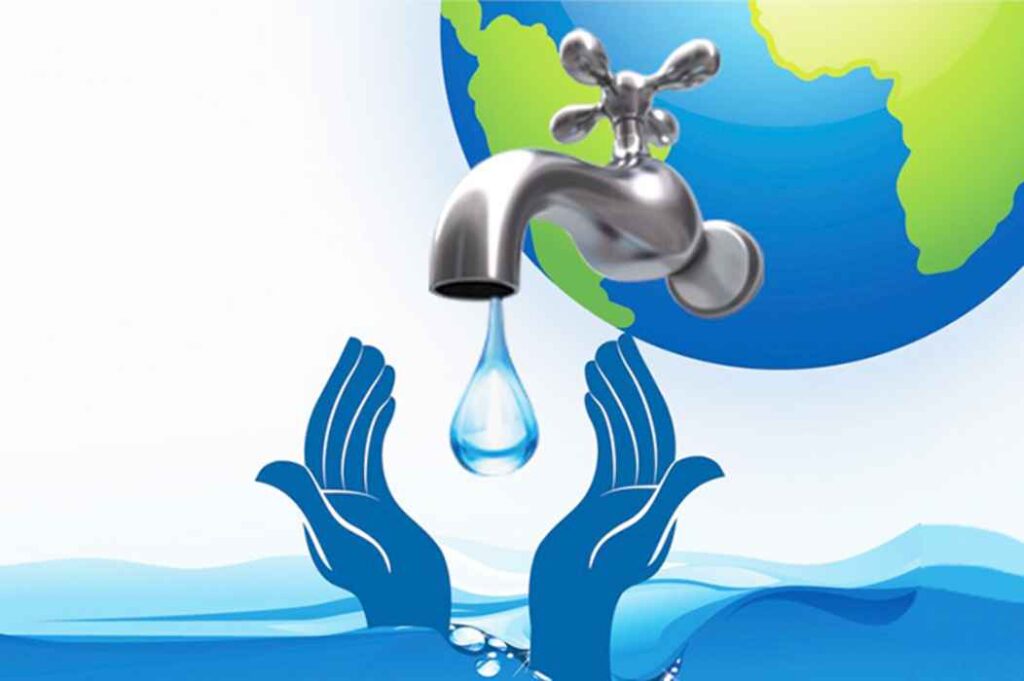
🌈 Every Drop Creates the Ocean of Change
The path to planetary water security doesn’t require superhuman efforts or perfect execution. It demands something simultaneously simpler and more profound: consistent mindfulness about how we interact with this essential resource. Each conscious choice to conserve water sends ripples through complex environmental, social, and economic systems.
When millions of individuals embrace mindful water consumption, the collective impact reshapes landscapes, preserves ecosystems, and ensures future generations inherit a planet with sufficient freshwater resources. This isn’t about deprivation or sacrifice—it’s about living more intentionally, gratefully, and harmoniously within Earth’s natural systems.
The urgency of global water challenges might feel overwhelming, but mindful living offers an empowering response. By bringing awareness to daily water use, making incremental improvements, and inspiring others through example, each person becomes part of the solution. In this way, conserving water transforms from an abstract environmental concept into a deeply personal practice of planetary care—one mindful drop at a time.