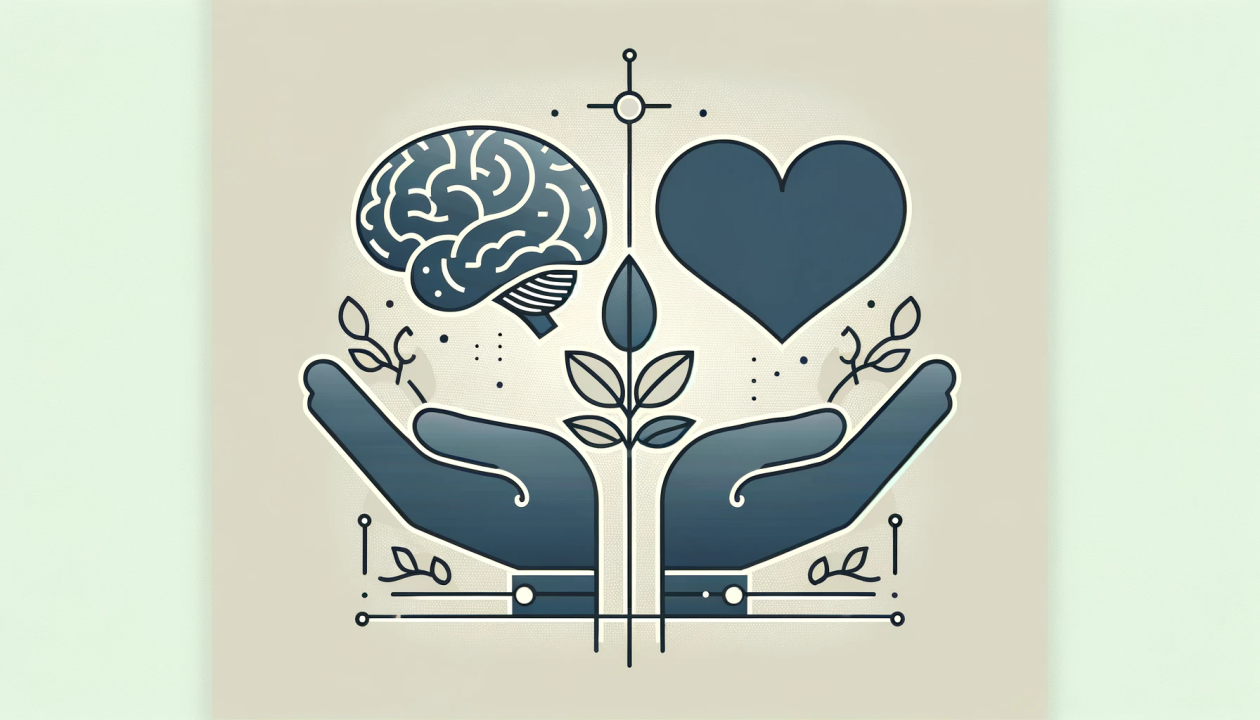
The weight of climate change, species extinction, and environmental degradation can feel overwhelming. Eco-anxiety is real, affecting millions worldwide who deeply care about our planet’s future.

🌍 Understanding Eco-Anxiety: When Environmental Awareness Becomes Overwhelming
Eco-anxiety, also known as climate anxiety or environmental distress, refers to the chronic fear and worry about environmental doom and the planet’s future. It’s not a clinical diagnosis, but mental health professionals increasingly recognize it as a legitimate psychological response to the climate crisis. This phenomenon affects people across all demographics, from teenagers protesting for climate action to parents worried about their children’s future.
The American Psychological Association defines eco-anxiety as “a chronic fear of environmental doom.” Research indicates that approximately 70% of young adults experience some level of climate anxiety, with many reporting that these feelings affect their daily functioning and life decisions. Some individuals even reconsider having children or making long-term plans due to environmental concerns.
Unlike traditional anxiety disorders, eco-anxiety stems from a rational assessment of genuine threats. Climate scientists warn that we face unprecedented environmental challenges, from rising global temperatures to biodiversity loss. This makes eco-anxiety particularly complex—it’s rooted in reality, not irrational fears.
The Emotional Spectrum of Environmental Distress
Eco-anxiety manifests differently across individuals, creating a wide spectrum of emotional responses. Some people experience mild concern that motivates positive action, while others face debilitating worry that paralyzes them. Understanding where you fall on this spectrum is crucial for managing your mental well-being.
Common symptoms include persistent worrying about environmental catastrophes, feelings of helplessness regarding climate change, guilt about personal carbon footprint, grief over ecosystem loss, and anger toward governmental and corporate inaction. Physical manifestations can include sleep disturbances, panic attacks, difficulty concentrating, and even depression.
The grief component deserves special attention. Termed “ecological grief” or “solastalgia,” this emotion reflects mourning for environmental losses—disappearing glaciers, extinct species, destroyed forests, and transformed landscapes. This grief is particularly poignant because it’s ongoing and often lacks social recognition or rituals for processing.
🧘♀️ Building Your Emotional Resilience Foundation
Protecting your mental health while remaining environmentally conscious requires intentional strategies. The goal isn’t to ignore climate realities but to process them in psychologically sustainable ways that empower rather than paralyze you.
First, acknowledge and validate your feelings. Eco-anxiety isn’t weakness—it’s evidence of your empathy and awareness. Give yourself permission to feel sadness, anger, or fear about environmental destruction. Suppressing these emotions often intensifies them, while acknowledgment creates space for processing and moving forward.
Establishing emotional boundaries with environmental news is essential. While staying informed matters, constant exposure to climate catastrophes creates psychological overwhelm. Consider designating specific times for environmental news consumption rather than continuous scrolling. Many people find that limiting climate news to 15-30 minutes daily, perhaps in the morning rather than before bed, significantly reduces anxiety levels.
Mindfulness Practices for Environmental Stress
Mindfulness and meditation offer powerful tools for managing eco-anxiety. These practices don’t diminish environmental concerns but help you respond thoughtfully rather than reactively. Regular meditation can reduce anxiety symptoms by approximately 60% according to various studies.
Nature-based mindfulness proves particularly effective for eco-anxiety. Spending time outdoors, practicing forest bathing (shinrin-yoku), or simply observing natural environments reconnects you with the beauty and resilience of nature. This experiential connection often provides psychological relief that intellectual understanding cannot.
Several meditation apps specifically address environmental anxiety, offering guided practices focused on ecological connection and climate stress. Apps like Insight Timer, Calm, and Headspace include content addressing environmental concerns and building resilience.
💪 Transforming Anxiety Into Meaningful Action
One of the most effective antidotes to eco-anxiety is purposeful action. Research consistently shows that people who engage in environmental activities experience lower levels of climate distress and higher psychological well-being. Action transforms helplessness into agency, creating a sense of personal effectiveness.
However, not all action equally alleviates anxiety. The key lies in finding sustainable engagement—activities that align with your values, skills, and capacities without leading to burnout. Environmental activism exists on a spectrum from simple daily choices to full-time advocacy work.
Personal Environmental Actions That Matter
Individual actions, while sometimes dismissed as insufficient for systemic change, provide important psychological benefits. They create congruence between your values and behaviors, reducing cognitive dissonance and building self-efficacy.
- Adopt a plant-rich diet or reduce meat consumption significantly
- Minimize single-use plastics and embrace reusable alternatives
- Choose sustainable transportation options like cycling, walking, or public transit
- Support renewable energy through provider choices or home installations
- Practice mindful consumption by buying less and choosing sustainable products
- Engage in home composting and waste reduction strategies
- Plant native species to support local ecosystems and pollinators
Track your environmental impact using apps that calculate carbon footprints and suggest reduction strategies. This gamification approach makes sustainable living more engaging while providing concrete evidence of your positive impact.
Community and Collective Environmental Engagement
While individual actions provide psychological benefits, collective efforts create systemic change. Joining environmental organizations, community gardens, local conservation projects, or climate advocacy groups multiplies your impact while reducing isolation—a significant factor in eco-anxiety.
Community engagement provides social support from like-minded individuals who share your concerns and values. This solidarity counters the loneliness many people with eco-anxiety experience, particularly when friends and family don’t share the same level of environmental concern.
Consider volunteering with organizations like local environmental nonprofits, restoration projects, educational initiatives, or political advocacy groups. Even contributing a few hours monthly can significantly impact both environmental outcomes and your mental health.
🌱 Cultivating Hope Without Toxic Positivity
Hope represents a crucial component of mental well-being amid environmental crisis, but authentic hope differs dramatically from denial or toxic positivity. Genuine hope acknowledges difficulties while maintaining belief in positive possibilities and human capacity for change.
Environmental psychologists distinguish between passive hope (wishful thinking) and active hope (engaged optimism combined with action). Active hope recognizes challenges while committing to work toward solutions regardless of guaranteed outcomes. This approach protects mental health by focusing on process rather than fixating on uncertain futures.
Seek out positive environmental stories deliberately. While mainstream media emphasizes climate disasters, countless restoration successes, technological innovations, policy victories, and community achievements occur daily. Organizations like “Good News Network,” “Positive News,” and various environmental blogs curate these stories.
The Power of Environmental Wins
Celebrating environmental victories, however small, counters the despair narrative. Consider these hopeful developments:
- Renewable energy costs have plummeted, making clean energy increasingly accessible
- Ocean plastic cleanup technologies show promising results in removing pollution
- Reforestation projects worldwide are restoring millions of hectares
- Species once considered extinct are being rediscovered or populations recovering
- Youth-led climate movements are influencing policy globally
- Circular economy principles are gaining corporate adoption
- Indigenous land management practices are being recognized and supported
These victories demonstrate that positive change is possible, providing rational foundations for hope alongside action.
🗣️ Communication Strategies for Environmental Concerns
Talking about eco-anxiety with others serves therapeutic purposes while potentially inspiring action. However, environmental conversations can trigger defensiveness, dismissal, or conflict when approached insensitively.
When discussing climate concerns, focus on shared values rather than catastrophic predictions. Research shows that connecting environmental action to core values like family, community, or economic security proves more persuasive than fear-based messaging. Frame conversations around protecting what people love rather than preventing disasters.
Find your environmental community, whether online or in-person. Support groups specifically for eco-anxiety have emerged, offering spaces where people can express feelings without judgment. These groups, facilitated by therapists or peer-led, provide validation and coping strategies.
🏥 When to Seek Professional Mental Health Support
While eco-anxiety is natural, it sometimes escalates beyond self-management capacity. Professional mental health support becomes necessary when environmental concerns significantly impair daily functioning, relationships, or quality of life.
Consider therapy if you experience persistent depression about climate change, panic attacks triggered by environmental news, avoidance of normal activities due to climate fears, relationship strain from environmental anxiety, or suicidal thoughts related to environmental hopelessness.
Many therapists now specialize in eco-anxiety or climate-aware therapy. The Climate Psychology Alliance, Good Grief Network, and similar organizations maintain directories of qualified professionals. These therapists understand environmental concerns’ legitimacy while helping clients develop coping mechanisms.
Therapeutic approaches for eco-anxiety often incorporate cognitive-behavioral techniques, acceptance and commitment therapy, grief counseling, and ecotherapy—nature-based interventions that leverage human-nature connections for healing.
🌿 Creating Sustainable Self-Care Practices
Self-care for eco-anxiety differs from mainstream self-care that sometimes encourages consumption or escapism. Sustainable self-care nourishes you while aligning with environmental values, avoiding the guilt that eco-conscious individuals often feel about self-indulgence.
Nature immersion provides profound healing benefits. Regular time in natural settings—forests, parks, gardens, beaches, or mountains—reduces cortisol levels, lowers blood pressure, improves mood, and enhances immune function. Even brief nature exposure, like 15-minute walks, offers measurable benefits.
Physical activity, particularly outdoors, combats anxiety while connecting you with your body and environment. Hiking, cycling, gardening, kayaking, or outdoor yoga combine exercise benefits with nature exposure and often reduce environmental worry.
Digital Wellness and Eco-Anxiety Management
Managing your digital environment significantly impacts eco-anxiety levels. Social media algorithms often amplify distressing content, creating echo chambers of environmental doom. Curate your feeds intentionally, following accounts that balance awareness with solutions and inspiration.
Consider digital detoxes—periods of reduced or eliminated screen time—to reset your nervous system. Many people find weekend digital breaks or evening phone-free hours substantially reduce anxiety levels.
🌎 Embracing Complexity: Living Meaningfully in Uncertain Times
Perhaps the most sophisticated approach to eco-anxiety involves embracing uncertainty and complexity rather than seeking definitive answers or guaranteed outcomes. The environmental future remains uncertain—neither apocalypse nor utopia is predetermined. This uncertainty, while uncomfortable, creates space for agency and hope.
Living meaningfully amid environmental crisis means accepting that you cannot control outcomes while choosing to act according to your values anyway. This existential approach, rooted in philosophy and psychology, provides remarkable resilience. You focus on being the person you want to be and contributing what you can, regardless of ultimate results.
Develop a personal environmental philosophy that guides decisions without perfectionism. Environmental action exists on a spectrum; every positive choice matters even if you cannot achieve zero-impact living. Progress, not perfection, becomes your standard.
Consider what legacy you want to leave. Even if environmental challenges worsen, future generations will need stories of people who cared, who tried, who resisted despair. Your actions contribute to a larger narrative of humanity’s response to existential challenges.
Building Your Personalized Mental Well-Being Plan
Creating a comprehensive plan for managing eco-anxiety ensures you have strategies ready when environmental distress intensifies. This plan should be personalized, realistic, and adaptable to your unique circumstances, values, and capacities.
Start by identifying your triggers—specific news topics, images, conversations, or experiences that spike your anxiety. Then develop corresponding coping strategies. If wildlife extinction stories trigger intense grief, prepare by limiting exposure and having comforting practices ready afterward.
Establish a support network of people who understand eco-anxiety, whether friends, family, online communities, or support groups. Knowing whom to contact during difficult moments provides security and reduces isolation.
Schedule regular activities that restore your sense of connection and purpose: weekly nature walks, monthly volunteer sessions, daily meditation, quarterly digital detoxes, or whatever combination serves your needs. Consistency matters more than intensity.
Remember that managing eco-anxiety is ongoing work, not a problem to solve once. Environmental challenges will continue, requiring sustained attention to mental well-being. Be patient and compassionate with yourself throughout this journey.
Finding serenity amid environmental turmoil doesn’t mean achieving permanent calm or eliminating all anxiety. Instead, it means developing resilience, maintaining connection to what matters, taking meaningful action within your capacity, and choosing hope and engagement over despair and paralysis. Your mental well-being and environmental commitment can coexist, each supporting the other in creating a life of purpose, meaning, and positive impact during these challenging times. 🌍💚