The fashion industry stands at a crossroads, where conscious choices meet personal expression, and sustainability becomes the new luxury we all can afford.

For decades, fast fashion dominated our shopping habits, promising trendy pieces at rock-bottom prices. We filled our closets with clothes worn only once or twice before discarding them for the next trend. This cycle created mountains of textile waste, exploited workers, and damaged our planet. But a powerful movement is changing everything: slow fashion and ethical consumerism are reshaping how we think about style, quality, and our impact on the world.
This transformation isn’t just about buying fewer clothes—it’s about building a wardrobe that reflects your values, supports fair labor practices, and celebrates craftsmanship. It’s about understanding that every purchase is a vote for the kind of world we want to live in. The rise of slow fashion represents a fundamental shift in consumer consciousness, where quality trumps quantity and sustainability becomes synonymous with sophistication.
🌱 Understanding the Slow Fashion Revolution
Slow fashion emerged as a direct response to the fast fashion industry’s destructive practices. Unlike its speedy counterpart, slow fashion emphasizes thoughtful production, quality materials, and timeless designs that transcend seasonal trends. It’s a philosophy that values the entire lifecycle of a garment—from the sourcing of raw materials to the working conditions of garment makers, and ultimately, what happens to the clothing when its useful life ends.
The term “slow fashion” was coined by Kate Fletcher in 2007, drawing inspiration from the slow food movement. It challenges the breakneck pace of trend cycles and encourages consumers to consider the true cost of their clothing. This approach prioritizes durability, ethical manufacturing, and environmental responsibility over disposable fashion that quickly ends up in landfills.
At its core, slow fashion asks us to pause and reflect before purchasing. It encourages questions like: Who made this garment? Under what conditions? What materials were used? How long will this last? These simple inquiries transform shopping from a mindless activity into a meaningful practice that aligns with our values.
The Environmental Case for Changing Your Fashion Habits
The fashion industry ranks as one of the world’s largest polluters, second only to oil in its environmental impact. Fast fashion’s carbon footprint is staggering, with the industry responsible for approximately 10% of global greenhouse gas emissions—more than all international flights and maritime shipping combined. The statistics paint a troubling picture that demands our attention and action.
Textile production requires enormous amounts of water. A single cotton t-shirt consumes about 2,700 liters of water during production—enough for one person to drink for 900 days. Synthetic fabrics like polyester release microplastics into our oceans with every wash, contaminating marine ecosystems and entering our food chain. Chemical dyes pollute waterways, affecting communities near manufacturing facilities.
The waste generated by fast fashion is equally alarming. Americans alone throw away approximately 13 million tons of textiles each year, with the average person discarding about 70 pounds of clothing annually. Only 15% of this gets recycled or donated; the rest ends up in landfills where synthetic materials can take hundreds of years to decompose.
Breaking Down the True Cost of Cheap Clothing
That $5 t-shirt comes with hidden costs that don’t appear on the price tag. To offer such low prices, fast fashion brands cut corners in ways that harm people and planet. Garment workers—predominantly women in developing countries—often work in unsafe conditions for poverty wages, sometimes as little as $3 per day. The 2013 Rana Plaza collapse in Bangladesh, which killed over 1,100 garment workers, tragically highlighted these dangerous working conditions.
Environmental degradation near manufacturing hubs creates long-term health problems for local populations. Communities living downstream from textile factories face contaminated water supplies, increased cancer rates, and destroyed agricultural land. The race to bottom pricing externalizes these costs onto vulnerable populations and ecosystems.
✨ Building Your Sustainable Wardrobe: Practical Steps
Transitioning to a sustainable wardrobe doesn’t require throwing everything out and starting over—ironically, that would be wasteful. Instead, it’s about making more conscious choices moving forward and reimagining your relationship with the clothes you already own.
Audit Your Current Closet
Start by taking inventory of what you already have. Many people wear only 20% of their wardrobe regularly while the other 80% gathers dust. Pull everything out and honestly assess each piece. Does it fit? Do you feel good wearing it? Is it in good condition? This process helps you identify gaps in your wardrobe and prevents impulse purchases of items you don’t actually need.
Create a capsule wardrobe foundation with versatile, high-quality basics that mix and match easily. Think classic pieces in neutral colors that work across multiple seasons and occasions. This approach simplifies getting dressed while maximizing outfit possibilities with fewer items.
Embrace the 30-Wear Rule
Before purchasing any new item, ask yourself: “Will I wear this at least 30 times?” This simple question dramatically shifts purchasing decisions. It steers you away from trendy impulse buys toward timeless pieces that genuinely suit your lifestyle and personal style. If you can’t imagine wearing something 30 times, it’s probably not worth the investment—financial or environmental.
Shopping Strategies for Ethical Fashion Enthusiasts
Once you’ve optimized your current wardrobe, the next step is learning how to shop more sustainably. This doesn’t mean never buying new clothes—it means being strategic and values-aligned about what you choose to bring into your life.
Prioritize Quality Over Quantity 💎
Higher-quality garments cost more upfront but provide better value over time. Well-made clothing lasts longer, maintains its appearance through multiple wears and washes, and often feels more comfortable. Look for natural fibers like organic cotton, linen, hemp, and wool, which are more durable and biodegradable than synthetic alternatives.
Examine construction details: reinforced seams, quality buttons, and proper finishing indicate garments built to last. Check fabric weight and drape—substantial materials typically outlive flimsy alternatives. Reading care labels also provides clues about longevity; items requiring special care often feature better materials.
Discover Secondhand and Vintage Treasures
Thrift shopping, consignment stores, and online resale platforms offer sustainable alternatives to buying new. Secondhand shopping extends the useful life of existing garments, keeping them out of landfills while saving money. You’ll find unique pieces that help develop a distinctive personal style instead of looking like everyone else in the same fast fashion pieces.
Vintage clothing often features superior construction and materials compared to contemporary fast fashion. Pieces that have already lasted decades prove their quality and durability. Plus, the hunt for perfect secondhand items transforms shopping into a treasure hunt rather than a mindless mall stroll.
Support Ethical and Sustainable Brands
When buying new, research brands committed to ethical production and environmental sustainability. Look for companies that provide transparency about their supply chains, pay fair wages, use sustainable materials, and implement environmentally responsible manufacturing processes.
Certifications like Fair Trade, GOTS (Global Organic Textile Standard), and B Corporation status indicate genuine commitment to ethical practices. Many sustainable brands also offer repair services and take-back programs, supporting circular fashion principles where nothing goes to waste.
🔄 Extending the Life of Your Clothes
True sustainability means maximizing the lifespan of every garment you own. Simple care practices and basic repair skills keep clothes looking great and functioning well for years beyond their expected lifespan.
Master Basic Garment Care
Proper washing dramatically extends clothing life. Wash items less frequently—many garments need refreshing rather than full washing after each wear. Use cold water, which saves energy and prevents shrinkage and color fading. Turn clothes inside out to protect exterior surfaces, and skip the dryer when possible; air-drying reduces wear and energy consumption.
Store clothing properly to prevent damage. Use appropriate hangers, fold knits to avoid stretching, and protect off-season items from moths and moisture. These small efforts preserve your investment and reduce replacement needs.
Learn Simple Repair Techniques
Basic sewing skills empower you to fix minor issues before they become major problems. Reattaching buttons, mending small tears, and hemming garments are surprisingly easy skills that dramatically extend wearability. Numerous online tutorials make learning these techniques accessible to complete beginners.
For more complex repairs, seek out local tailors and alteration specialists. The cost of professional repair is almost always less than replacement, and you’ll keep beloved items in rotation longer. Some sustainable brands offer repair services, demonstrating their commitment to product longevity.
The Psychology of Ethical Consumerism 🧠
Understanding why we buy what we buy helps break destructive consumption patterns. Fast fashion exploits psychological triggers that encourage overconsumption—constant newness, artificial scarcity, and the dopamine hit of “retail therapy.”
Ethical consumerism requires developing new mental habits. Practice mindful shopping by waiting at least 24 hours before purchasing non-essential items. This cooling-off period helps distinguish genuine needs from impulse desires. Keep a wishlist and revisit it regularly; you’ll often find items that seemed essential become less appealing with time.
Cultivate contentment with what you already own. Social media often drives consumption by creating constant comparison and perceived inadequacy. Curating your feeds to include sustainable fashion advocates, minimalists, and outfit repeaters helps normalize wearing what you have rather than constantly acquiring new things.
Community and Connection Through Conscious Fashion
The slow fashion movement creates community among like-minded individuals who share values around sustainability and ethical consumption. Clothing swaps with friends offer fun ways to refresh your wardrobe without spending money or resources. These events build connections while promoting circular fashion principles.
Online communities focused on sustainable fashion provide support, inspiration, and practical advice. Sharing outfit ideas using existing wardrobes, discussing ethical brands, and troubleshooting styling challenges create positive reinforcement for sustainable choices. These spaces counteract the isolation and consumption focus of traditional fashion marketing.
Teaching the Next Generation 👨👩👧👦
Children absorb attitudes about consumption from adults around them. Involving kids in clothing care, teaching basic sewing, and explaining why you make sustainable choices plants seeds for lifelong conscious consumerism. Shopping secondhand with children normalizes reuse and helps them appreciate quality over brand names.
Discussing the people behind our clothes humanizes garment workers and builds empathy. Age-appropriate conversations about fair wages, safe working conditions, and environmental protection help children understand their choices’ broader impact.
Navigating Challenges and Staying Committed
Transitioning to sustainable fashion isn’t always easy. Ethical clothing typically costs more, requires more research, and offers fewer immediate gratification opportunities than fast fashion. Acknowledging these challenges while developing strategies to overcome them supports long-term commitment.
Budget constraints present real barriers for many people. Remember that perfection isn’t the goal—progress is. Even small changes matter. Buying one quality item instead of three cheap ones, extending garment life through better care, or shopping secondhand all contribute to positive change. Do what’s feasible within your circumstances without guilt about what you can’t do.
Limited access to sustainable options challenges people in smaller communities or areas without ethical retailers. Online shopping expands options, though shipping adds environmental costs. Local thrift stores, clothing swaps, and basic care and repair of existing items offer sustainable strategies available nearly everywhere.
🌍 Your Style, Your Values, Your Impact
Embracing sustainable fashion and ethical consumerism doesn’t mean sacrificing personal style—it enhances it. Breaking free from trend cycles allows authentic self-expression through clothing that truly reflects who you are rather than who advertisers want you to be. Building a thoughtful wardrobe of beloved pieces you’ll wear for years creates a signature style more distinctive than fast fashion homogeneity.
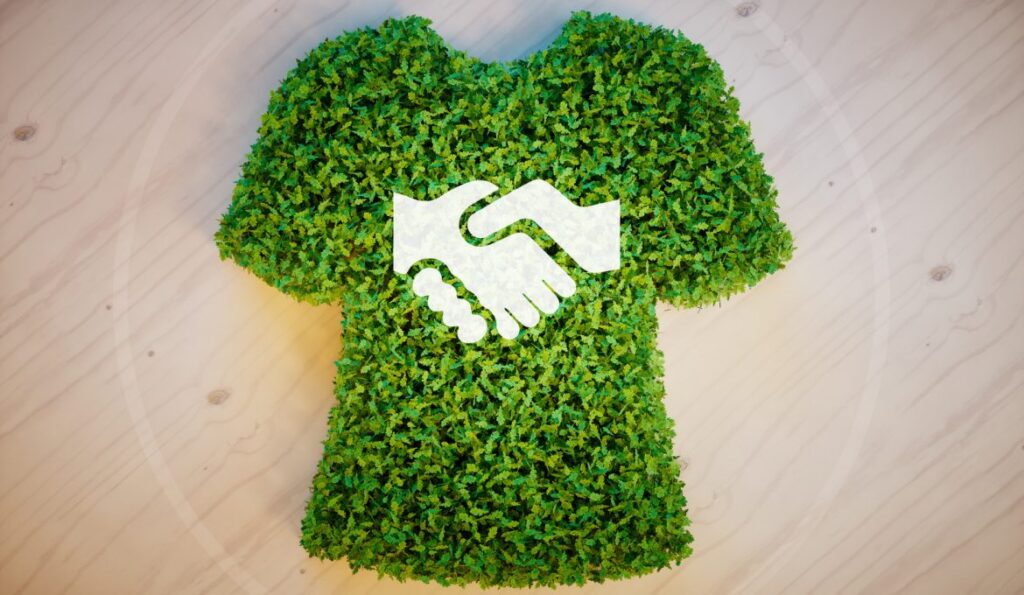
This movement represents more than clothing choices; it’s about reclaiming agency in a culture of overconsumption. Every decision to repair rather than replace, buy secondhand, or support ethical brands creates ripples of positive change. Collectively, these individual choices reshape industry practices, proving that consumer demand for sustainability and ethics can transform even massive global systems.
The journey toward sustainable style is ongoing and imperfect. There’s no finish line where you’ve “arrived” at complete sustainability. Instead, it’s a continuous practice of learning, adjusting, and making the best choices available in each moment. Be patient with yourself as you develop new habits and expand your knowledge.
Your wardrobe tells a story—about your values, priorities, and vision for the future. By choosing slow fashion and ethical consumerism, you’re writing a narrative of consciousness, care, and creativity. You’re proving that style and sustainability aren’t opposing forces but powerful partners in creating a more beautiful, just, and healthy world for everyone.
The rise of slow fashion and ethical consumerism isn’t just a trend—it’s a necessary evolution in how we relate to clothing, resources, and each other. By embracing these principles, you join a global community of people using their purchasing power to demand better from the fashion industry while discovering that less truly can be more. Your style becomes sustainable, intentional, and uniquely yours—a reflection of not just how you want to look, but how you want to live.