Urban living today demands more than survival—it calls for intentional harmony between our inner peace and the concrete jungles we inhabit daily.

The modern cityscape has transformed dramatically over the past decades, bringing unprecedented opportunities alongside equally significant challenges. As millions continue migrating toward urban centers, a powerful countermovement has emerged: mindful urban living. This philosophy represents a fundamental shift in how we approach city life, blending ancient wisdom with contemporary innovation to create spaces and lifestyles that nourish rather than deplete us.
The statistics paint a compelling picture: by 2050, nearly 70% of the world’s population will reside in urban areas. Yet paradoxically, as our cities grow denser, many residents report feeling increasingly disconnected, stressed, and overwhelmed. This disconnect has sparked a global conversation about reimagining urban existence—not by abandoning cities, but by transforming how we inhabit them.
🌱 The Awakening: Why Mindful Urban Living Matters Now
The concept of mindful urban living extends far beyond meditation apps and yoga studios, though these certainly play a role. It represents a holistic approach to city dwelling that prioritizes mental health, environmental sustainability, community connection, and personal well-being within the constraints and opportunities of metropolitan life.
Modern urbanites face unique pressures: constant noise pollution, limited access to nature, overwhelming digital connectivity, and the relentless pace of city rhythms. Research from environmental psychology shows that chronic exposure to these stressors without adequate coping mechanisms leads to elevated cortisol levels, diminished cognitive function, and reduced overall life satisfaction.
However, cities also offer unparalleled advantages—cultural diversity, economic opportunities, innovation hubs, and rich social networks. The key lies not in rejecting urban life but in cultivating practices and environments that allow us to thrive within it. This is where mindfulness becomes not just beneficial but essential.
🏙️ From Concrete Chaos to Conscious Communities
The evolution of mindful urban living can be traced through several distinct phases. Initially, cities were designed purely for functionality—maximizing density, productivity, and economic output. The human element often became an afterthought, resulting in alienating environments that prioritized vehicles over pedestrians and commerce over community.
The late twentieth century brought the first wave of urban reform, with planners beginning to incorporate green spaces and pedestrian zones. However, these changes often remained superficial—adding parks without addressing the deeper psychological needs of urban residents.
Today’s mindful urban evolution represents something more profound. Cities like Copenhagen, Singapore, and Portland have become laboratories for human-centered design, where walkability, biophilic architecture, and community spaces are fundamental rather than afterthoughts. These municipalities recognize that urban health is intrinsically linked to resident well-being.
The Architecture of Awareness
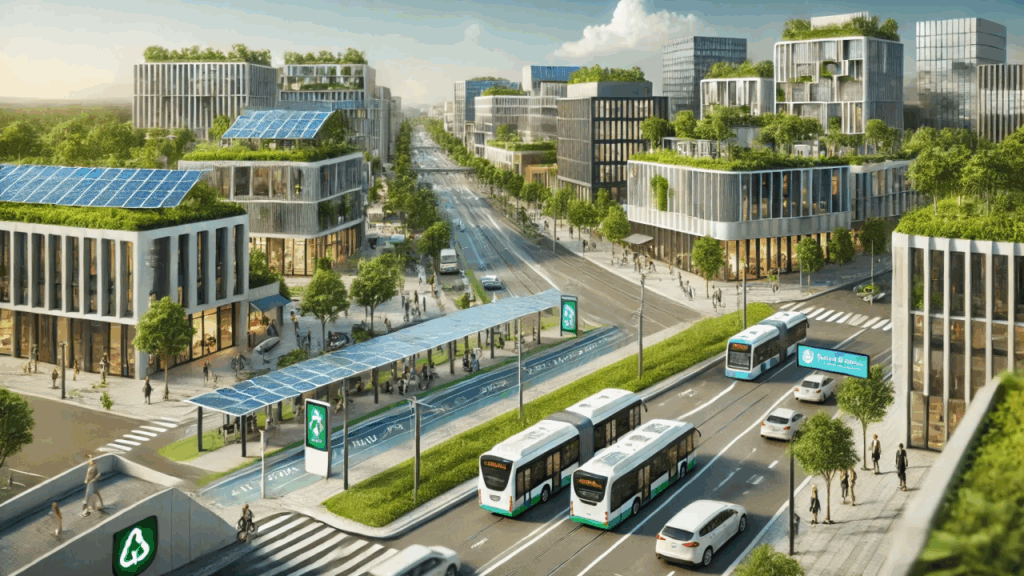
Modern mindful architecture incorporates several key principles that directly impact our daily experience. Natural light flooding through strategically placed windows reduces dependency on artificial lighting while regulating circadian rhythms. Green walls and rooftop gardens provide psychological restoration while improving air quality. Sound-dampening materials create acoustic sanctuaries within busy neighborhoods.
Buildings designed with mindfulness principles feature communal spaces that encourage social interaction without forcing it—shared gardens, coworking lounges, and multipurpose gathering areas. These spaces acknowledge that humans are fundamentally social creatures who suffer in isolation, even when surrounded by millions.
🧘 Practical Pathways: Embedding Mindfulness into Daily Urban Routines
Theory means little without application. The true power of mindful urban living emerges when abstract concepts translate into daily practices that anyone can adopt, regardless of their living situation or economic circumstances.
Morning Rituals in Metropolis
Beginning each day with intention transforms the urban experience. Rather than immediately reaching for smartphones, mindful urbanites create transition rituals—five minutes of breathing exercises, a mindful cup of coffee without digital distractions, or gentle stretching while observing morning light patterns through their windows.
Several meditation and mindfulness applications have gained popularity among urban dwellers seeking structured guidance. Apps like Headspace, Calm, and Insight Timer offer city-specific content addressing noise anxiety, commute stress, and urban overwhelm.
The Mindful Commute
Transportation represents one of urban life’s greatest stressors, yet it also offers untapped opportunities for practice. Instead of viewing commutes as wasted time, mindful practitioners transform them into mobile meditation sessions. This doesn’t mean closing your eyes on the subway—it means bringing full awareness to the present moment.
Notice the rhythm of your footsteps. Observe the diversity of faces around you. Feel the train’s movement. Listen to the city’s symphony without judgment. These simple shifts transform frustrating delays into opportunities for presence rather than sources of anxiety.
🌿 Nature Integration: Bringing the Wild into Urban Spaces
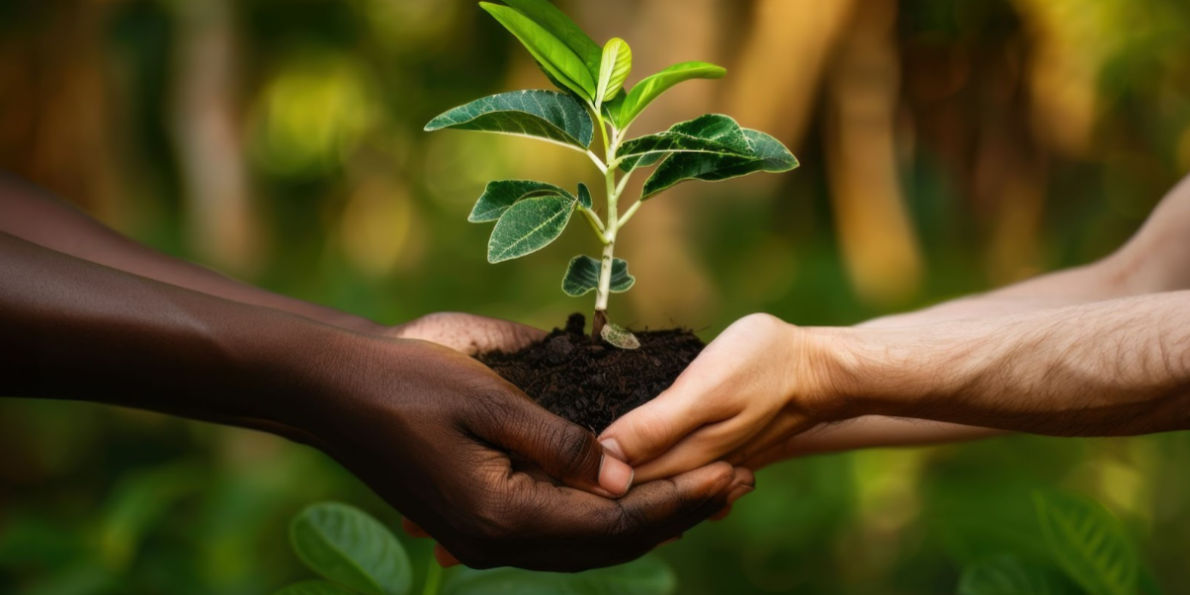
One of mindful urban living’s most crucial aspects involves reconnecting with nature despite concrete surroundings. Research consistently shows that even minimal nature exposure—as little as 20 minutes in a green space—significantly reduces stress hormones and improves mental clarity.
Urban residents are responding creatively to nature scarcity. Balcony gardens transform tiny outdoor spaces into personal sanctuaries. Indoor plant collections bring biophilic benefits into apartments. Community gardens create shared green spaces while fostering neighborhood connections.
Forward-thinking cities are institutionalizing these practices. Singapore’s “City in a Garden” initiative mandates green space in new developments. Milan’s Bosco Verticale residential towers feature thousands of trees and plants integrated into building facades. Paris aims to make every resident live within 300 meters of a green space.
Micro-Nature Practices
When parks feel distant, mindful urbanites create nature connections wherever possible:
- Maintaining a small herb garden on kitchen windowsills
- Taking lunch breaks in any available green space, even small plazas with trees
- Choosing routes to work that pass through tree-lined streets rather than purely efficient paths
- Opening windows to hear bird songs during morning routines
- Observing weather patterns and seasonal changes from urban vantage points
🤝 Community Consciousness: Rebuilding Urban Social Fabric
Paradoxically, cities simultaneously offer proximity to millions while enabling complete isolation. Mindful urban living actively counteracts this tendency by intentionally cultivating community connections.
The “urban village” concept has gained traction—creating interconnected micro-communities within larger metropolitan areas. These neighborhoods prioritize walkability, local businesses, shared public spaces, and regular community events that transform anonymous residents into familiar faces.
Technology, often blamed for urban isolation, can also facilitate connection when used mindfully. Neighborhood apps like Nextdoor help residents coordinate activities, share resources, and support local causes. Community-supported agriculture programs connect urban consumers with regional farmers, creating relationships while improving food sustainability.
The Power of Third Places
Sociologist Ray Oldenburg identified “third places”—spaces beyond home and work where community naturally forms. Mindful cities cultivate these environments: independent coffee shops with communal tables, public libraries designed as community hubs, neighborhood parks with programmed activities, and maker spaces where residents collaborate on projects.
These venues provide what digital connection cannot—embodied human interaction, spontaneous encounters, and the gradual building of social trust that strengthens urban resilience.
🔇 Sound Sanctuaries: Managing Urban Acoustic Overload
Noise pollution represents one of urban living’s most underestimated health threats. Constant exposure to traffic sounds, construction noise, and human activity elevates stress levels, disrupts sleep, and impairs concentration. Mindful approaches to sound management become essential survival skills.
Creating acoustic sanctuaries within urban homes requires strategic design. Heavy curtains dampen street noise. White noise machines or nature sound apps mask disruptive sounds. Dedicated quiet zones within apartments—even just a corner with comfortable seating—provide retreat spaces.
Some urbanites embrace “sound walks”—mindful listening exercises where they intentionally explore their neighborhood’s acoustic landscape, noticing sounds usually filtered out: bird songs between traffic, wind through building corridors, distant church bells. This practice transforms noise from enemy to teacher, developing greater auditory awareness and acceptance.
💡 Digital Boundaries: Mindful Technology Use in Connected Cities
Urban environments amplify technology’s intrusive potential. Constant connectivity, infinite entertainment options, and relentless information streams create attention fragmentation that undermines present-moment awareness.
Mindful urbanites establish clear digital boundaries. Designated phone-free times protect morning routines, meals, and evening wind-down periods. Notification management ensures only truly important alerts interrupt focus. App usage trackers provide awareness of unconscious scrolling patterns.
The key isn’t rejecting technology but using it intentionally. Navigation apps reduce commute stress. Language learning apps transform transit time into growth opportunities. Meditation apps provide guidance when needed. The difference lies in conscious choice rather than compulsive habit.
🍃 Sustainable Systems: Environmental Mindfulness in Urban Context
Mindful urban living extends beyond personal well-being to environmental stewardship. Cities consume enormous resources and generate massive waste, yet they also offer efficiency advantages—shared infrastructure, public transportation, and concentrated services that can reduce per-capita environmental impact when designed properly.
Individual practices matter significantly at scale. Composting in apartments returns organic matter to soil cycles. Choosing walking, cycling, or public transit over personal vehicles dramatically reduces carbon footprints. Supporting local farmers markets decreases transportation emissions while strengthening community economies.
Zero-waste initiatives have gained urban momentum, with bulk stores eliminating packaging waste and repair cafes extending product lifecycles. These practices combine environmental responsibility with mindful consumption—questioning automatic purchasing impulses and valuing quality over quantity.
🌅 Evening Restoration: Unwinding in the City That Never Sleeps
Just as mindful mornings set daily tone, conscious evening routines provide essential restoration. Cities’ 24-hour nature can blur boundaries between productivity and rest, yet quality sleep remains foundational to wellbeing.
Creating transition rituals signals the body that workday has ended. This might include changing clothes immediately upon returning home, preparing a nourishing meal with full attention, or taking an evening walk to physically separate work location from home space—particularly important for remote workers.
Digital sunset practices—eliminating screens an hour before bed—allow melatonin production to proceed naturally. Blackout curtains combat light pollution. Evening stretching or gentle yoga releases accumulated tension. Gratitude journaling shifts focus from daily stressors to positive experiences.
🎯 Measuring Progress: Indicators of Mindful Urban Integration
Unlike weight loss or financial goals, mindful living resists easy quantification. However, certain indicators suggest successful integration:
- Reduced reactivity to typical urban stressors—traffic, crowds, noise
- Increased awareness of neighborhood details previously overlooked
- Stronger sense of community connection and belonging
- Improved sleep quality despite urban environment
- Greater appreciation for small pleasures—morning coffee, sunset views, pleasant interactions
- Decreased dependency on consumption for happiness
These shifts accumulate gradually, creating resilience that allows urban residents to thrive rather than merely survive.
🌍 Looking Forward: The Future of Conscious Cities
The mindful urban living movement continues evolving. Smart city technologies offer both promise and peril—sensors could optimize green space usage and reduce pollution, yet they also risk creating surveillance environments antithetical to freedom and privacy.
The most exciting developments combine technological innovation with human-centered design. Barcelona’s “superblocks” radically reduce car traffic while expanding pedestrian and cyclist space. Amsterdam’s circular economy initiatives eliminate waste concepts entirely. Bhutan’s “Mindfulness City” development plans integrate meditation spaces, sustainable systems, and community-focused architecture from inception.
These experiments demonstrate that cities need not choose between progress and humanity. The most successful urban environments will balance efficiency with livability, innovation with sustainability, and density with dignity.
🎨 Crafting Your Personal Urban Practice
Ultimately, mindful urban living looks different for everyone. A single parent in Mumbai faces different challenges than a young professional in Stockholm or a retiree in São Paulo. The principles remain consistent—intentionality, awareness, connection, and balance—but applications must fit individual circumstances.
Begin where you are. Choose one practice that resonates: morning breathing exercises, a weekly nature visit, digital boundaries, or community involvement. Build consistency before adding complexity. Notice what changes—not just externally, but in your internal experience of urban life.
Share discoveries with neighbors, friends, and family. Mindful urban living grows exponentially when practiced collectively, transforming isolated individuals into conscious communities that reshape cities from within.
The concrete jungles we inhabit need not diminish our humanity. With intention, creativity, and consistent practice, we can cultivate urban environments that support flourishing—where millions live not in spite of density, but enriched by the diversity, innovation, and connection that only cities provide. This is the promise and practice of mindful urban living: harmony between our deepest human needs and our most ambitious collective creations.